
The boy rides the crux
Of becoming his hero:
Outlaw or father

Crowe and Bale strike true
As likable outlaw and
underdog rancher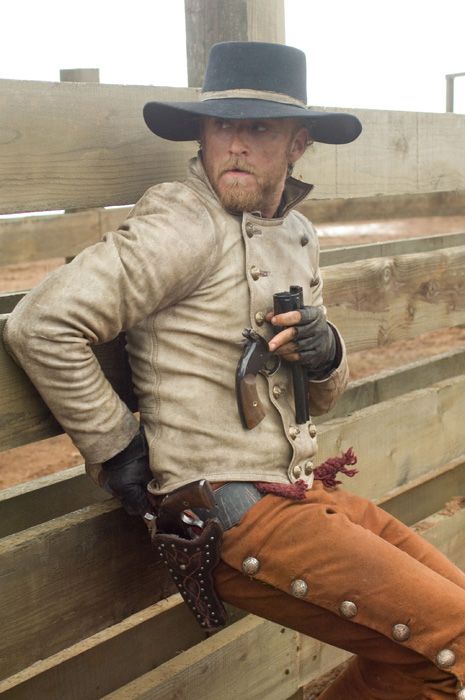
The old west’s ying yang
Justice rides the 3:10 train
Gunslingers roundup

My journey as a writer of screenplays, novels, poetry, and more. films as I see them. Enjoy!
The boy rides the crux
Of becoming his hero:
Outlaw or father
Crowe and Bale strike true
As likable outlaw and
underdog rancher
The old west’s ying yang
Justice rides the 3:10 train
Gunslingers roundup

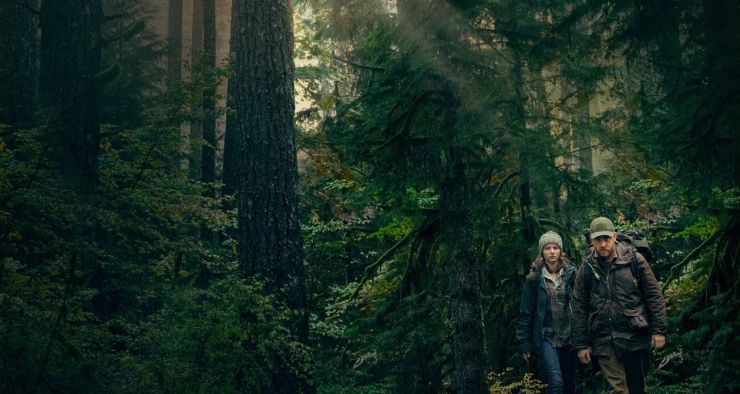
 Ben Foster’s man of the woods lives rogue with his teenage daughter in the damp forests of the northwest.
 Together they plant, gather, forage, and hide – working to survive and to maintain their quiet lives just outside of civilization. His sleep is plagued by fearful dreams that keep him restlessly moving forward on his inconstant quest.
 The pacing of this film is unexpectedly slower, focused, examining the realism of an unsteady life in self-imposed exile. Soft-spoken, it floats scene to scene, the trek unforced yet fearful.
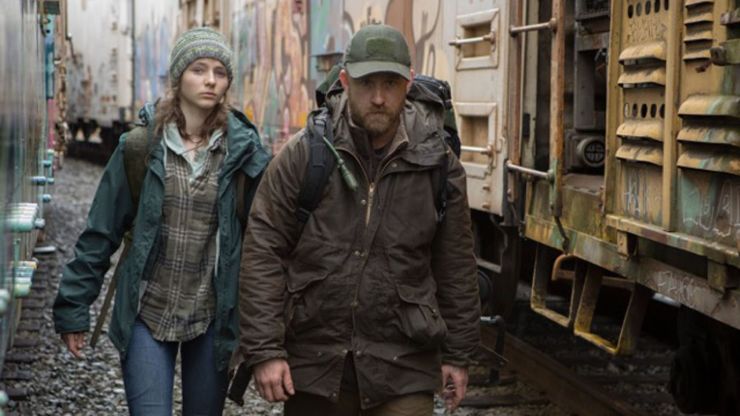 It isn’t until the daughter, Tom, tastes the stability of a roof and amenities and human interaction that she sees her life as it could be rather that what she is told it must be.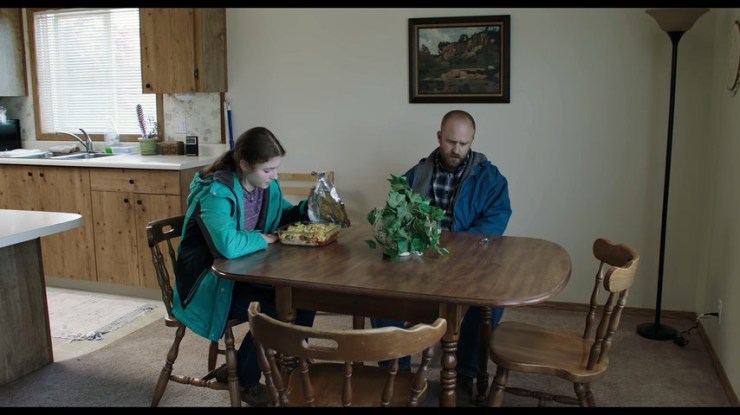
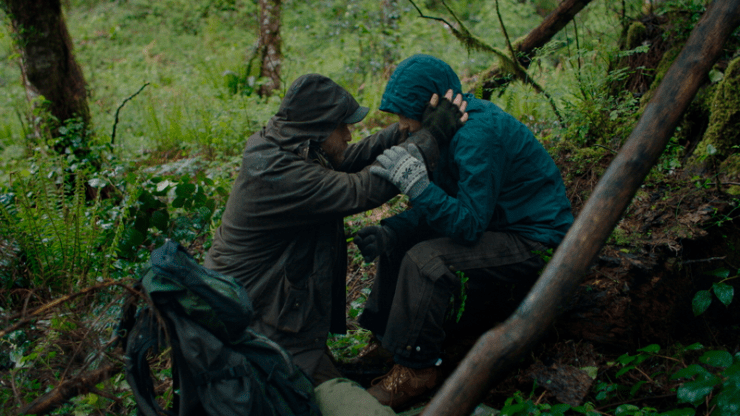 The father is the loving protector, but Tom is the stalwart strong, the peace that grounds her father. Needing more than a roof, she comes to realize that refuge lies in more than rescue but in the courage to re-enter reality.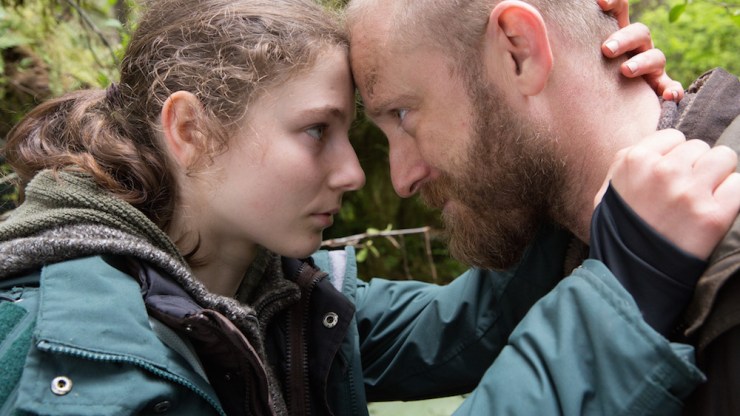
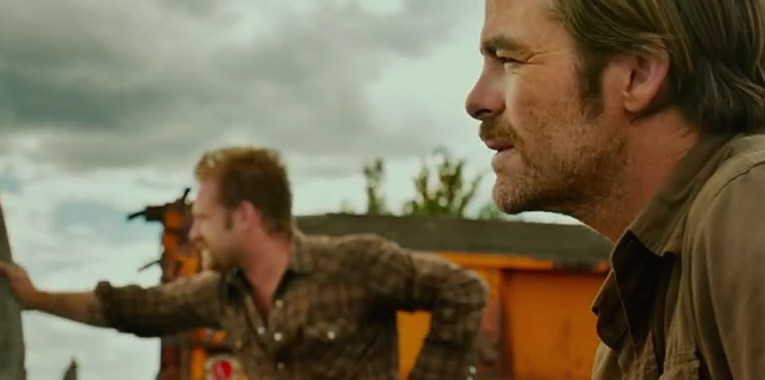
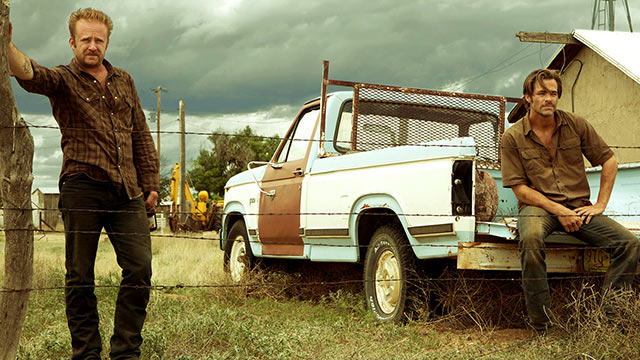 A pair of brothers on the backward road to financial freedom, they are Texan Robin Hoods of sorts. County badge-toting partners in pursuit oddly parallel in partnerships unmatched by most film duos.
 One brother (Ben Foster – genius in 3:10 to Yuma) is a regular outlaw, always running from trouble, always finding it. He knows he’s bad. He gives himself permission to lie and steal and gamble and cheat and run and kill and fight anyone he can. The other brother, (Chris Pine, showing here his true acting prowess) complex and tortured, fights but holds back, reluctantly moving forward with his plan. His plan. He’s the potentially pure, the wounded, the driven, yet it is his story.
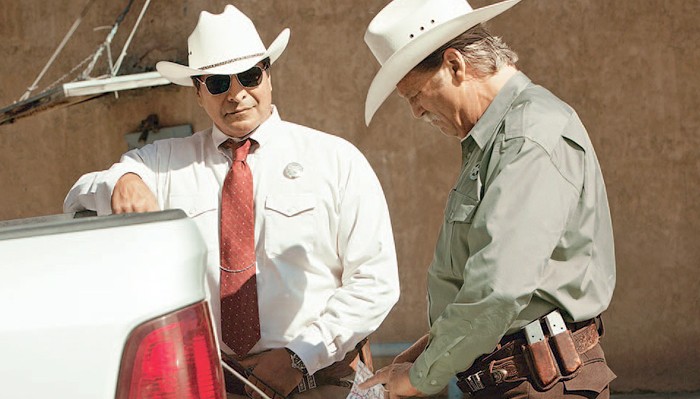
 The lead Marshall, played perfectly by Jeff Bridges, speaks his mind letting loose racial slurs and profanities, quick judgements and stereotypes. He is surprisingly savvy and astute as he tracks the boys committing the crimes. The partner patiently takes the brunt of the teasing. He is a Christian man, calm though disconcerted by endless jabs from his partner. He talks easily about retirement and afterlife since he knows where he is going.
 These characters rarely say what they mean in dialogue. It’s brilliant writing that stirs and directs a plot without relying on forced verbiage to drive it. Humans rarely say what they truly mean, why should characters?
It’s Bridges’s character who parallels Pine’s. Both brooding, restless, uncertain, distant. They seek companionship, friendship, and love without resolve. Both have lost and feel they cannot earn it back. Both will pursue it to the end, come hell or high water.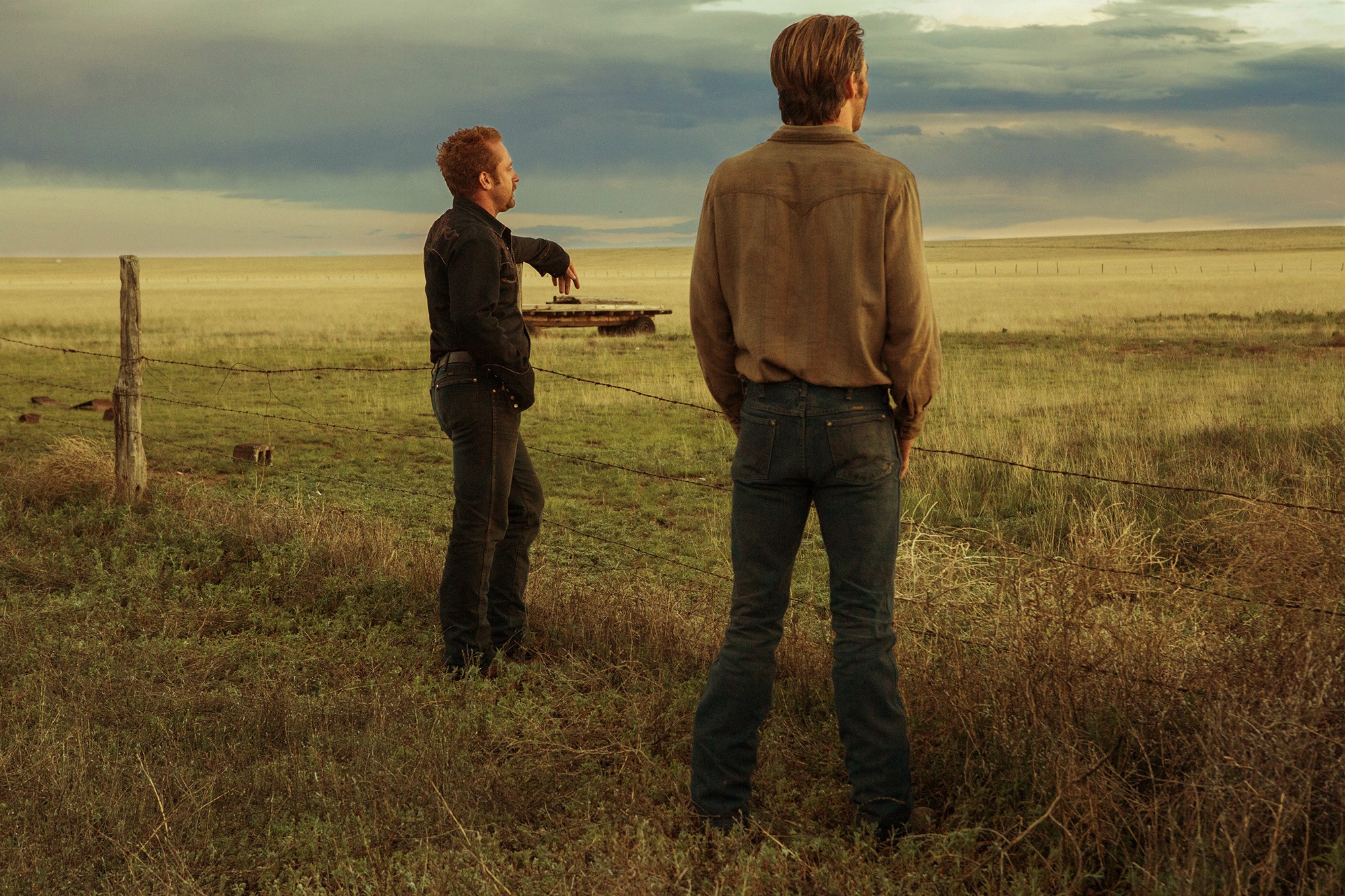
 Splatter: on FILM