


This is it. If I have to choose a favorite film. I think this is it. Top 5 at least.
Audrey’s first starring role as the illustrious Princess Ann proved her perfect for the post in posture, eloquence, and manners. She was born to play a princess.  In this story, her life takes a drastic turn the night her daunting schedule full of royal duties becomes too much for her and she decides to run away. Her rescuer is the soak-em-for-a-buck fast-talking journalist Gregory Peck. He knows who she is and decides to take advantage of the opportunity for an inside scoop. Their adventure around the city of Rome tours the best of all sites: the Trevi Fountain, gelato on the Spanish Steps,
 scootering past the Coliseum and Vatican City, a walk through the forum, a ride past the wall of memories, a boat dance in the evening, and best of all a trip to the “Mouth of Truth.” Watch for Audrey’s real reaction to Peck’s joke there.
 I’ve been to Rome, and other than the newer scooters and larger crowds it is all the same. Go. Visit Rome today via this film. Ride along with Joe and Anna, the one they call Smitty. Get to know the city with their good pal Irving the photographer.
 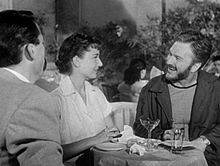 It is well worth the few hours away and the lessons you’ll learn about love and duty will always haunt you.

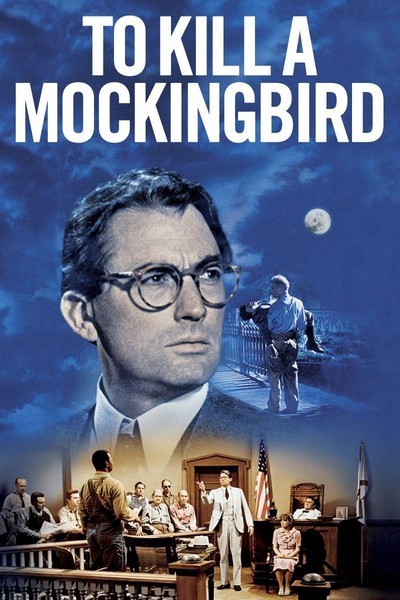
 I couldn’t believe the depth and youthful innocence that a young Robert Duvall gave his almost voiceless role of Boo Radley. Brilliant. And, I fell in love with Gregory Peck, who called Atticus his greatest role of all.
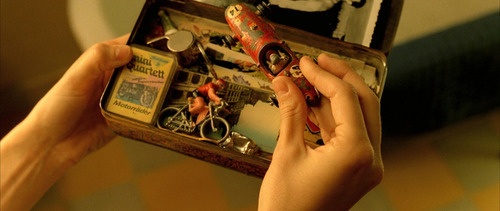
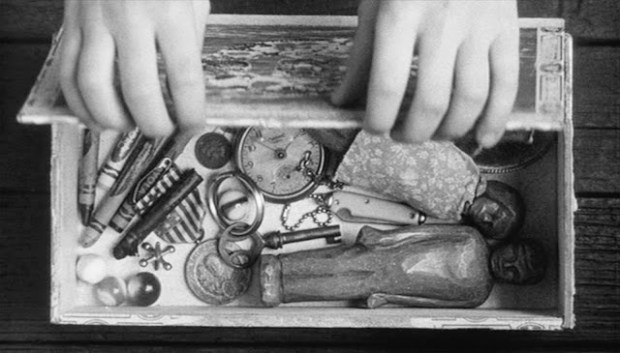 The opening sequence seems to show quintessential childhood – collections in a box, removed and replaced. Scenes from Amelie (2001) and The Fall (2006) echo as token tribute to this film’s classic opening.
  A child narrator can speak unfettered by adult inclinations toward between-the-lines political double-talk or gaged intentions. Scout tells it like it is. Innocence is allowed a voice that reminds the world to see people as only a child can and to care for all others unconditionally.
 Despite kid show channels’ certain and obvious attempts at making grown-ups, especially parents, look ridiculous, this story gives the child’s perspective but makes the father the hero. This badge he wears with honesty, care, some sense of failure, and deep love.
 In a parallel portrayal, the real mad dogs of the town come to commit acts of citizen justice before the courts have a chance to free a black man accused of raping a white woman. Atticus stands alone in moral courage against the growling crowd.
 Even as his Oscar fame faded to a distant echo, Peck remained a father figure to the little actress who played Scout. They always called each other by their character names, and kept in touch. Rare indeed.
 Even more rare were the events shaping American history at that time. Martin Luther King Jr. wore the heavy burden of speaking to the world on the same matters of civil importance as found in Lee’s book. King spoke of Atticus. King’s message was the same as that of Lee’s novel: living breathing human beings should all be given the same right to live and breathe. Timeless truth.
 Splatter: on FILM