

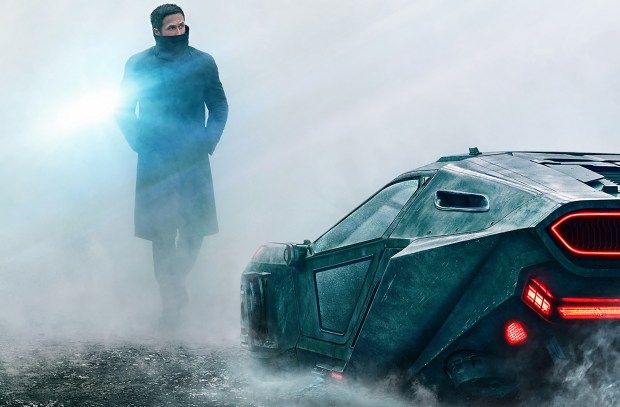
 Executive produced by the original director Ridley Scott, directed by Denis Villeneuve of last year’s hit Arrival, and written by the same screenwriter as the original, the new Blade Runner 2049 lives in the exact universe of the first film, 30 years in that future.
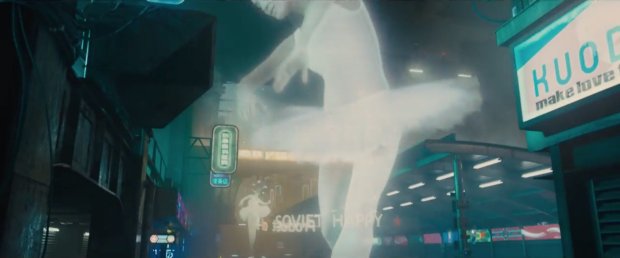 A simple premise for those who haven’t seen the first movie: Blade Runners are hired hitmen detectives working with the police to annihilate rogue AI. The culture and ethic of the Blade Running game is called into question when it becomes personal.
  The Blade Runner stories are based on the novel by Philip K. Dick called “Do androids dream of electric sheep?”
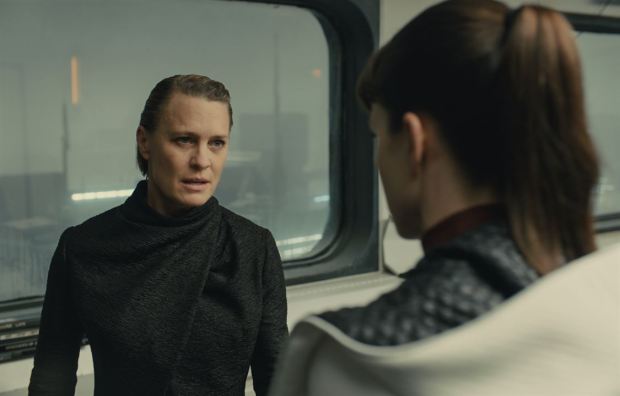
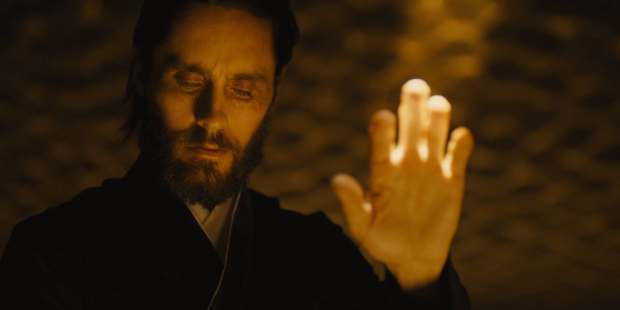 Ryan Gosling, Robin Wright, Jared Leto, and all of the other famous faces are perfectly cast in this follow-up film. I hesitate to call it a reboot, as it picks up the baton and runs at full pace as a stand-alone piece of work. Yet, if you missed the epic first, you will feel lost in the second. It’s all callback to the original, and a set of explanatory paragraphs on the first screen can never offer enough back story, enough power play between self-deifying creator and creation in these “replicant” stories, or enough of Harrison Ford’s character’s emotional connections to remind or prepare viewers fully for this visual bonanza.
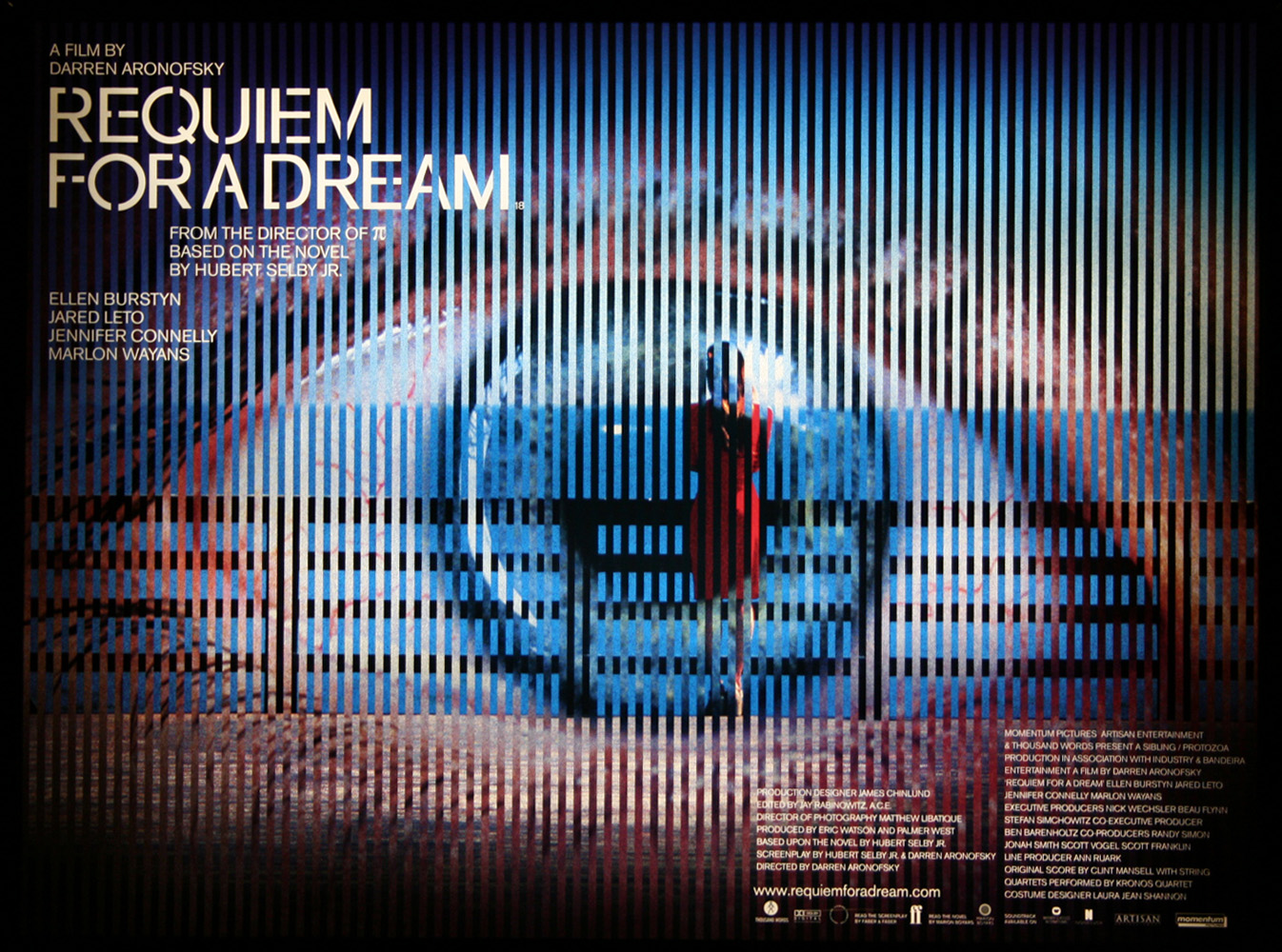
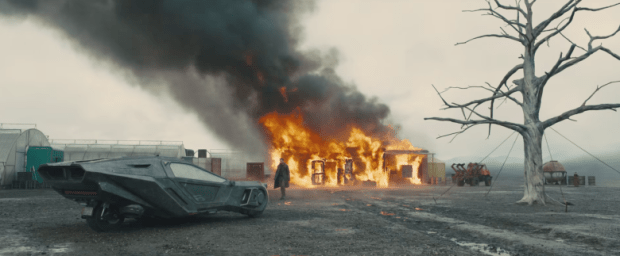 Both are art films. Futuristic, sci-fi, noir, almost neo-western, dramatic, art films. Unique. Slow pace builds in intensity to fierce action. The use of color and light, the silence then epic throwback music nodding to Vangelis’s original score, the heartbreaking potential future of relationships in a porn-addicted society that seeks fulfillment from devices before risking human contact. It could be seen as a sci-fi Her (2013).
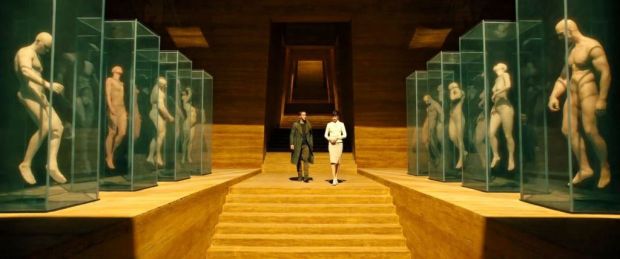 Blade Runner 2049 shows extremes. As the once emotionless regain their senses, the brutal continue to ravage without conscience. Blood and nudity, death and sensuality. The director is careful to hide much of what would be considered gore or blatant pornography just out of sight, but it’s ever-present in this dark future world. Both films were hard to watch in moments for the same reasons. Neither glamorize murder or sex. Rather they make both absolutely dark in this miserable, unlovely, lonely, future world.
 It’s hard to explain how these heavy films manage to show beauty, but somehow the emotions render as pure and honest, and the deserted radioactive wastelands of the films’ landscapes are simply breathtaking. The faces in the frame, often bloodstained, are flawless and offer so much insight with limited dialogue.
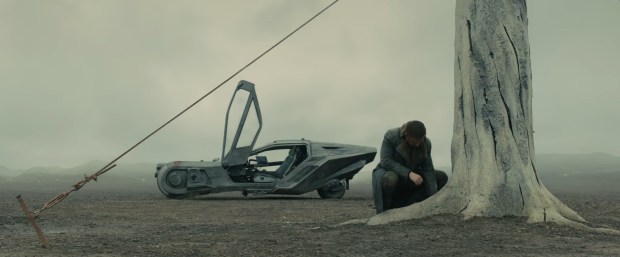 Perfect storytelling from the start, we care about all that our main character cares about. We want answers, just as he does. We follow the same twists and turns in plot, living his existence with him, together hoping for meaning, purpose, truth, justice, and life.
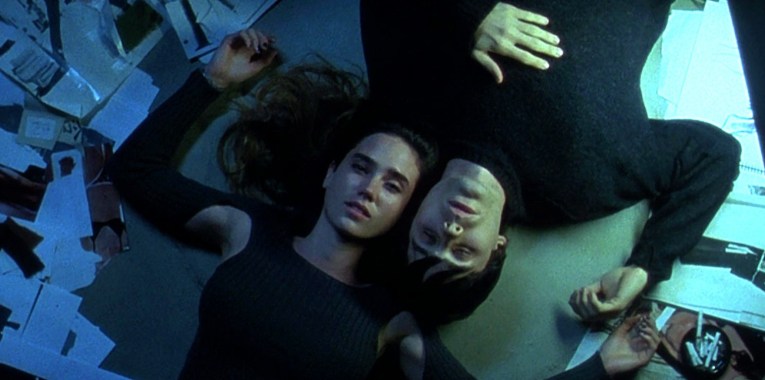

 Splatter: on FILM