 It is usually considered better to give than to receive. In this 2014 film, the man known as the Giver must bestow on his new Receiver the entirety of humanity’s hurt, fear, and sorrow as well as its love, joy, and peace. An emotionless society, set apart (but never really explained), lives in safety, secure from all issues brought on by squeamish emotions or daily discomforts. Climate controlled, policed, and vaccinated from human emotion, this society employs the keeper of memory, Jeff Bridges, to provide the wisdom of the ages when necessary. He is the only one capable of empathy, also the only one who lies. He is the one who can see through the thin veneer of the “perfect” society, run by evil silver-fringed Meryl Streep who organizes the ceremony of selection which allows for each member of the community to be selected for his or her . Of course, when the memory is passed on and the younger, hotter Giver knows the truth and is brave enough to follow his convictions, he seeks to end the cycle of servitude and drone work by dispersing the kept memories of the ages to the whole community.
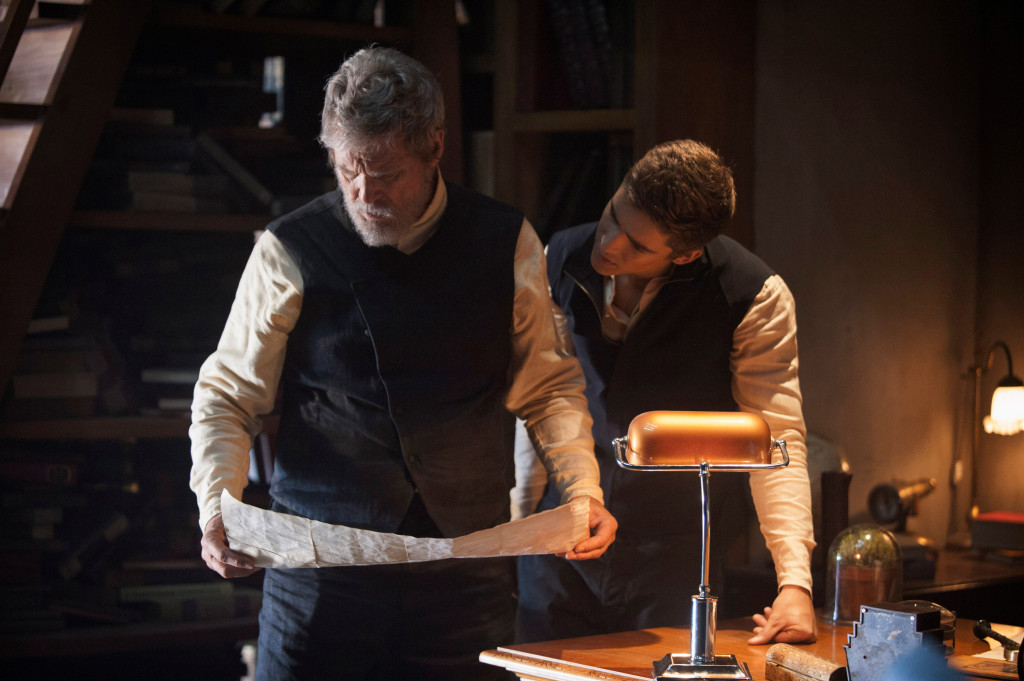 The sheer innocence of these characters makes world peace seem possible and the film feel implausible. Disappointing. Jeff Bridges, illustrious talent, co-produced this film. Perhaps this is why the film feels overly emotional and forced…he was too close close to it. Bridges wanted this film to be made. It meant something to him. He is the Giver, the mentor, the bleeding heart, the true hero.
 Accepting this film as a faithful adaptation would require more than “precision of language.” The Lois Lowry novel, written post “1984,” the novel, but pre-Hunger Games and Diversion is the original Gattica. The book is beautiful, subtle, disturbing, intense, mysterious. Jonas is 13. He is gifted. His “stirrings” are only ever hinted at and not the essence of a budding romance but of puberty. There is no boundary. The memories, once given, cannot be retrieved, so the Giver shares once then loses them. Jonas becomes a Giver as he transfers memory to the child. The ending is illusive, questionable, fearful, precious, unresolved. The book is a Jackson “Lottery”-esque thinker left open-ended allowing the reader to imagine a hopeful ending despite the very few vague hints at hope.
 Despite my disappointments at the simple-fixes of the film, I still liked it. I liked the characters, the transfer from black & white to color, the stories created, the happy ending. I liked that. It was too easy to fix the whole world. The transition to color was brief. The long slide down the banister was a hard to connect with moment, obviously meant to make more impact. Jonas has innocence and power. Idealistic. Taylor Swift’s overacted cameo makes her portray, well, a dramatic musician. Stretch.

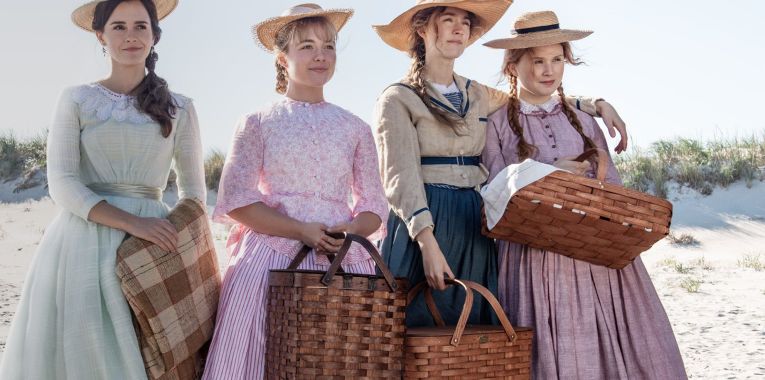
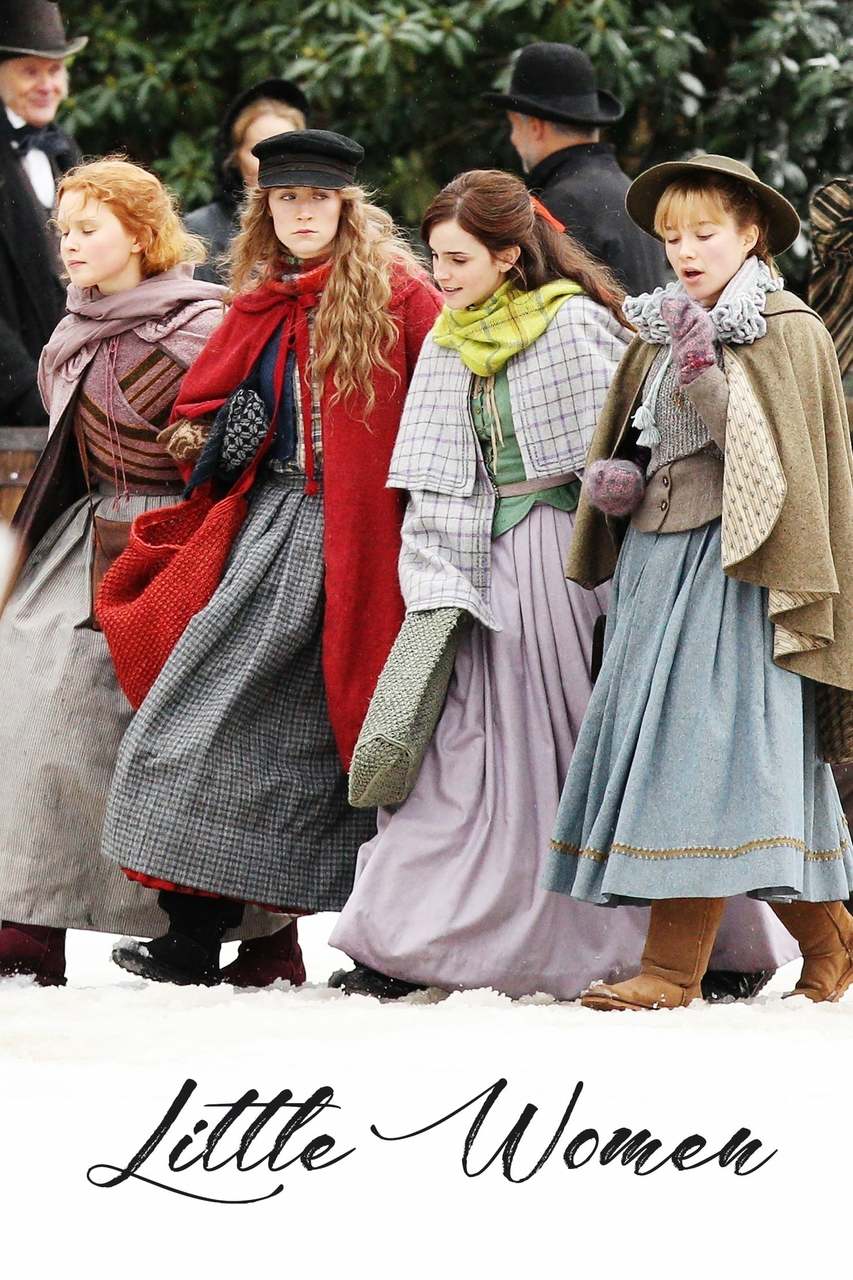
 When given the challenge of reviving a generational classic, Greta Gerwig called upon her faithful, dramatic compatriots (Saoirse Ronan and Timothee Chalamet) and broadened her incredible team (Laura Dern, Meryl Streep, Florence Pugh, Emma Watson, Eliza Scanlen, Bob Odenkirk, Chris Cooper, and more) to reinvigorate Little Women as we’ve never seen it before.
 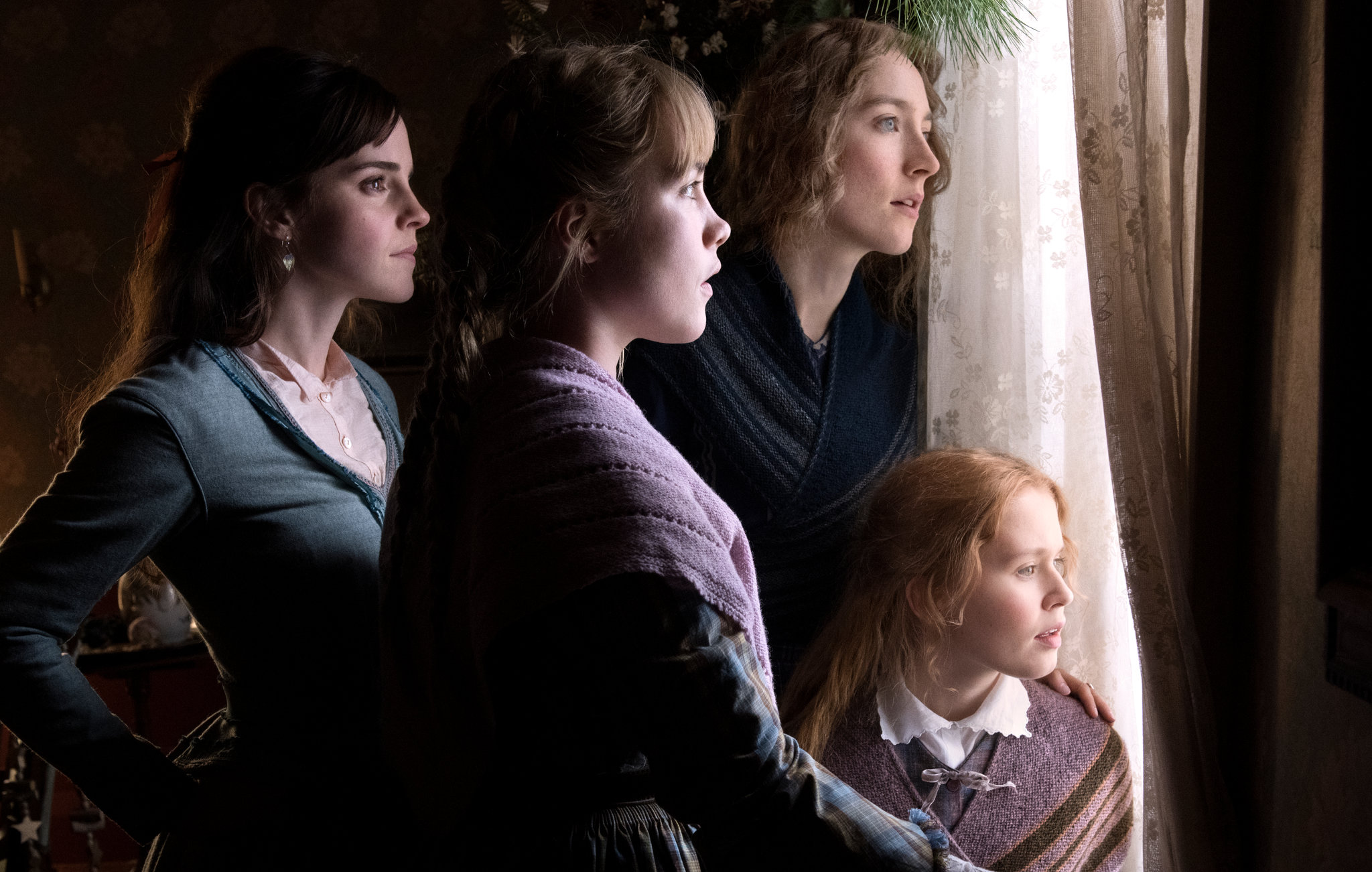 This film is a triumph in artistic vision and storytelling vigor. It’s a walk through the Musee d’Orsay; each scene is reminiscent of a famous painting. Each character is a Pinterest board of fresh takes and favorite moments from classic renditions of these films, all adaptations of the beloved novel by Louisa May Alcott.
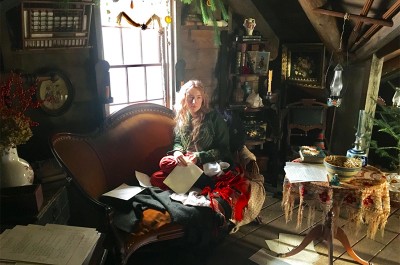 But this is Gerwig’s finest chess move. She plants author’s DNA into the main character. Jo March is a strong, verbose, witty, lively heroine confined to the constraints of an era in which women were doomed to demure domesticity. She was a writer and a visionary. Like Alcott. Like Gerwig. So her characters investigate the struggles of home-life in a time of civil war, when money is king yet scarce, and when imagination and family bonding provide rare escape from discouragement.
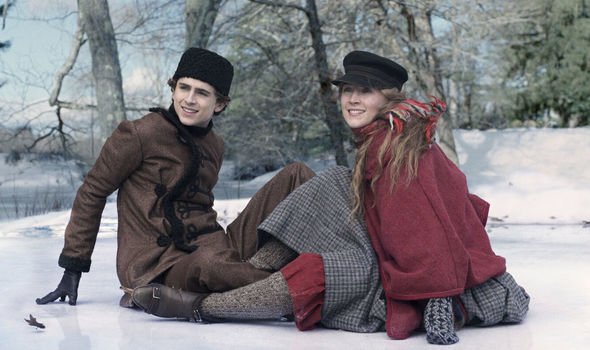
 Loss determines destiny for most, but strength of spirit and courage of will allow the March women to rise above all.




 Splatter: on FILM