

Oscar Isaac plays evil villain mutant god, Apocalypse, who seeks world domination through destruction and mind control. Same old. Same old. Cool make-up though. As a magnet for mutant power, he gains control of all. Believing he is a god, his thirst for ultimate dominance forces an 80’s Care Bear stare-down in yet another civil-war type super-battle.
  McAvoy charms. Fassbender feels. Jennifer Lawrence glows.
 Top game for many seasoned pros now surrounded by debut newbies who work equally as hard to show off their powers and prove their places in the legendary Marvel universe.
 The 80’s can actually be a tough period to pull off in a film. It’s easy to slip too far down the rabbit hole of crimped bangs, fingerless gloves, fishnets and hightops. Add leather strappy boots and reference Coca-cola, and I guess you’re half-way there. The filmmakers also often made it feel like an 80’s sitcom’s Christmas episode rife with flashbacks of famous favorite family moments.
 Sadly this X installment is more promise than payoff, more flashback than Flashdance. A few glaring missteps:
- Nukes launch and … sit suspended in space?
- The character “Apocalypse” is all-powerful, but needs help? … from his flippantly chosen crew? …is not decaying but wants Professor X’s tiny, crippled body to live in? …or was it his mind. hmm…

- Magneto is under the Apocalypse spell, but so quickly won over by words of friendship from his shape-shifty blue comrade Mystique
- The Professor’s crush on Moira McTaggert (Rose Byrne)… without a wink or a glance at the end?
- Apocalypse can grow in the mind world, but the Professor can’t?
- Apocalypse can enter the Professor’s mind, but not Jean’s?

- They explained the Xmen connect to the Cold War, but was the world nearly destroyed in the 80’s and we just miss that in the history books?
- 90% exposition, 10% action?
 The tagline is “Only the strong will survive.” Perhaps they meant the fans.
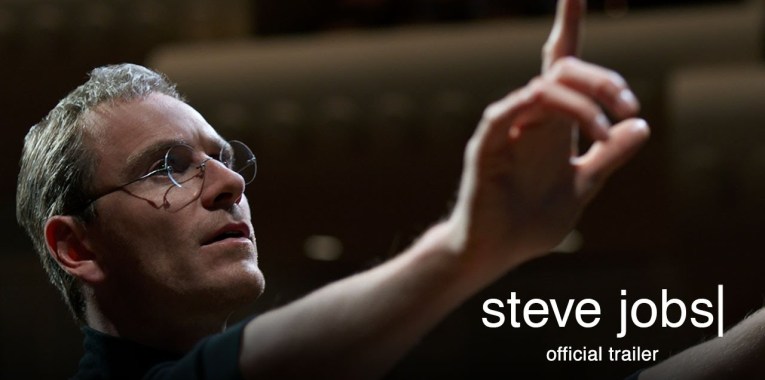
 If you’ve watched The West Wing or The Newsroom, you’ve already taken a class in “sorkinese.” Aaron Sorkin writes with poignant, often profane cutting banter but has an uncanny ability to allow great actors to shine and the characters they play to remain flawed but incredibly likable.
 Fassbender is to Jobs as Reeves was to Superman. Put on the turtleneck and white tennis shoes and away he goes.
  Meanwhile, Kate Winslet’s sweeps the rest of the audience in under her protective umbrella to watch the rest of the performance. She is caretaker and necessary foil to Jobs’s hero.
 Sorkin weaves fictional story plots into true history with provocative threads of conversation. He builds an intricate spiderweb of verbal sparring between those closest to Steve Jobs, whose pride and potential trap him in the center of the web. The illusive enemy and savior become one as iNnovation thrusts the world forward simultaneously cutting friendly and familial ties. His own daughter is among the collateral casualties.
  Jobs conducts the creation and release of the future of personal computing while his orchestra of brilliant tech and financial wizards play in the pit. They all must play the roles they are given, but without the sacrifice and leadership of the front man, all would be lost. Jobs sees this. It takes a strong, driven leader with unparalleled focus to make history like he did. The question posed, as always, is: is it worth it at the expense of relationships. Must genius doom itself to solitude?
 As films go, this one haunts. The Tron-esque pulsing score matches the blood pressure of the film’s namesake.
  Danny Boyle, the director, uses people as props and lighting as sets, playing on the algorithms and symmetry of people on the move, of friendly connections severed, of puzzle pieces placed over decades as industry stretches forward to match the dreams of innovators.

 Splatter: on FILM