

 Always begin with the seatbelt.
Cheated on, accused, stolen from, betrayed. This far too common grief story gives a new spin on surviving the traumas caused by adultery. Then, in a parallel grief story, played beautifully by Ben Kingsley, an Indian immigrant faces difficulties living in New York in a post 9/11 world. Spit on, screamed at, forced out, wounded. Two broken people find themselves together behind the wheel as driving lessons parallel life on the road to healing. The process takes time. Each lesson trains the two to take risks but to watch carefully as they build an unlikely friendship. He forces her to continue on while her bravery in that forward movement shows him how to live. It is mutual though not at first. Brilliant, very real writing. Art and life can be a sad story, but perhaps this one will help someone who is going through similar traumas see through to cross the bridge of grief.
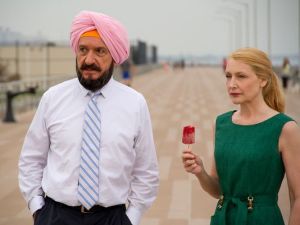 Patricia Clarkson is an incredible actress, one who can tell a story by showing not telling. Characters usually lie first. How are you? I’m fine. The truth is in the eyes. Her character is trying to piece her life back together while constantly starting over. Well meaning people ask with that tone if she’s going to be all right. The fact that they know to ask when she hasn’t told them anything is a new punishment. Each day a new ordeal. Each day forced to face another side of herself.
 Kingsley’s character, the gentleman protector, still runs from his past but lives out the prison-like punishment of loneliness and sorrow. He fears re-entering a world that daily rejects him.
 Rated R for language and sex, this film shows honestly the miserable struggle of ending a 30 year marriage. It also does not glaze over the hideous truths about racial discrimination still going on in America. This film refuses to accuse or blame. Instead, it show how our main characters have the potential within themselves to commit the same crimes of unfaithfulness and of prejudice committed against them. The potential is within all of us. We are all also capable of forgiveness and redemption. So, doing the hard work of choosing what is good and right despite temptation sets heroes apart from the villains in the end.





 Splatter: on FILM