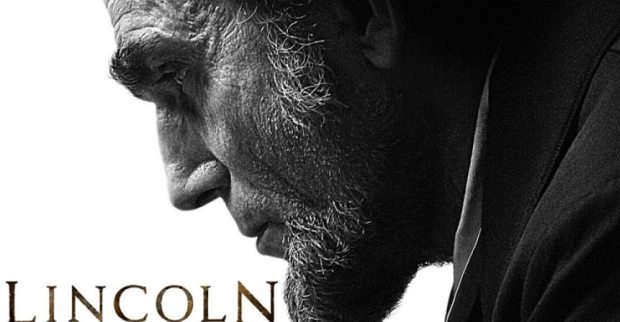
 Steven Spielberg usually goes for gimmick and glory over text and tone. This film, however, is a talkie. It’s not an action flick or a sci-fi. It’s not shocking. There is no product placement. It IS, however, perfect lighting in brown rooms, it is fluttering curtains and conversation. These conversations mattered. They carried historical weight.
 The film centers around the passing of the 13th amendment, ending slavery in our country. President Lincoln so obviously bore the burden of that charge, pressing despite political implications, with a goal to do more than just end a war. He wanted to end it having changed the world. He wanted the war to matter.
This is not our fight today, but would it be had not this captain lived and died making this his fight?
 Watching this was like piecing a puzzle together. It was methodical, thick with names and faces, strategic, messy, then somehow quite beautiful – a wonder to be cherished.
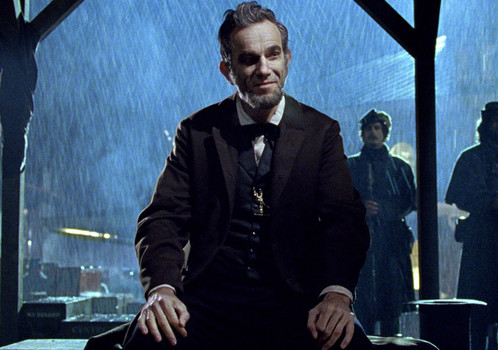
Watching Daniel Day-Lewis portray the man Lincoln was rather existential. He became Lincoln. Lee Pace jeered crowds against the amendment while Sally Field broke her husbands heart daily. Tommy Lee Jones regaled as the artful dodger and lovable curmudgeon.
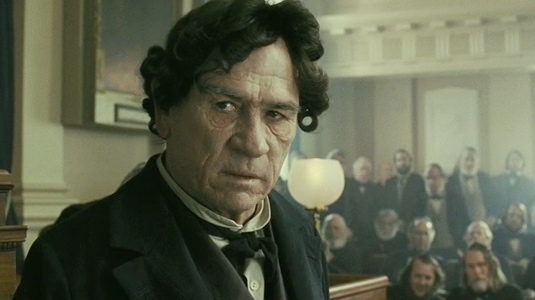

 When Lincoln spoke, all stilled to listen. Lincoln must have been a storyteller who wooed masses with his gentle reverberance. His words felt weighted. He was called to that great purpose.
O Captain my Captain.


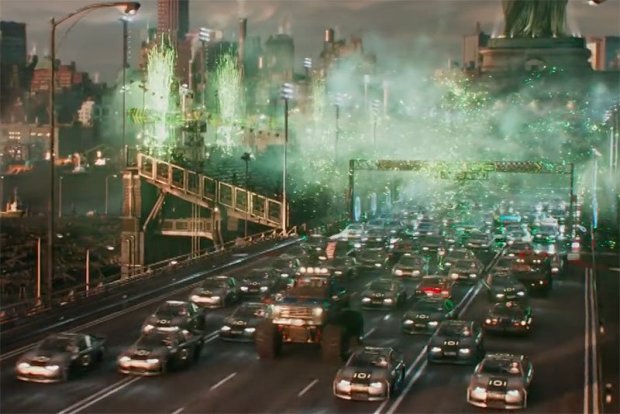
 Strap in for a throwback bonanza via VR gateway.

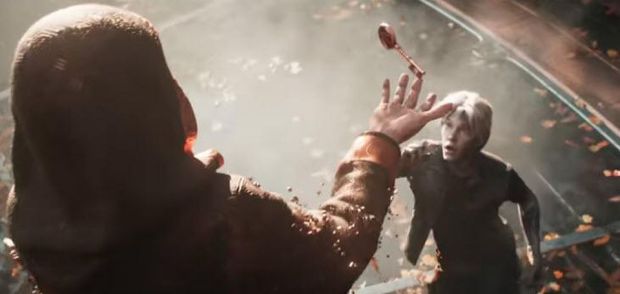
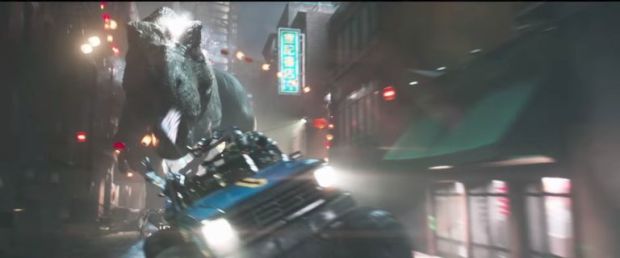
 RPO is fast-paced but classic Spielberg. Fight glowing dinos, air dance through The Shining hotel, take a van ride ala inception, but don’t forget your crew.
 The message isn’t to log off, but to appreciate reality, at least in moderation.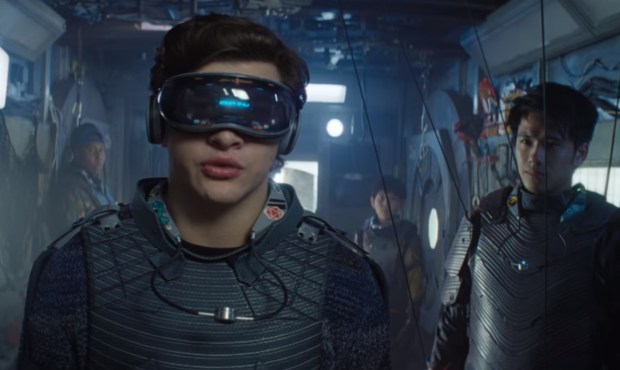







 Splatter: on FILM