 Bo Peep meant more to
Woody than the toy crew knew.
A spork will speak truth.
Tom Hanks, Tim Allen,
Tony Hale, and Key & Peele,
Keanu outshines


My journey as a writer of screenplays, novels, poetry, and more. films as I see them. Enjoy!
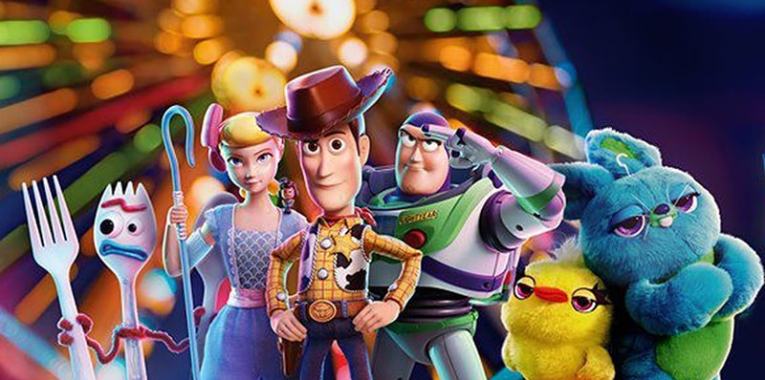
Bo Peep meant more to
Woody than the toy crew knew.
A spork will speak truth.
Tom Hanks, Tim Allen,
Tony Hale, and Key & Peele,
Keanu outshines
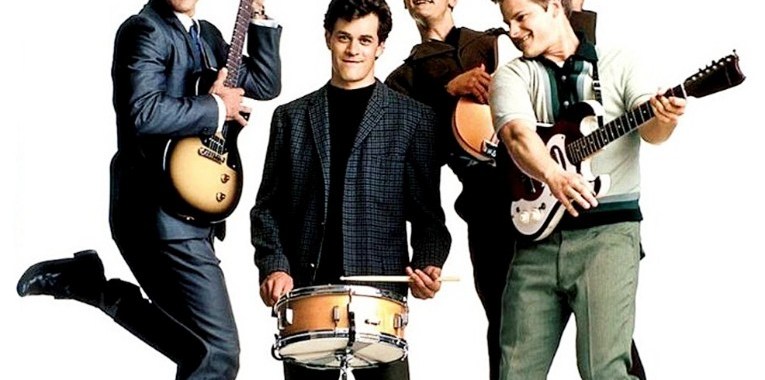
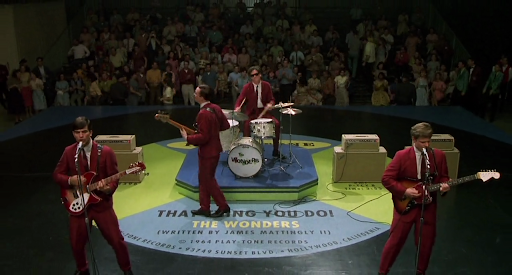
One hit One-ders tour U.S.
So, take us there, Skitch
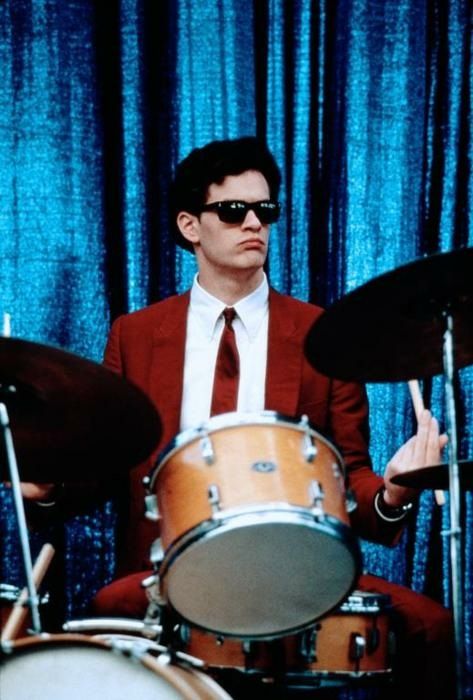 Directorial
debut for actor Tom Hanks
Playtone Galaxy

Charlize got her start
Captn Geech Shrimp Shack Shooters
most quotable film

Lennie, the comic,
Bass, Guy, and Jimmy – alone
in his principles

Song stuck in your head
Try in vain to get it out
It’s that thing you do

The world will remember the music of Adam Schlesinger who wrote the Title track of this film and so many others. He died April 1st, 2020.
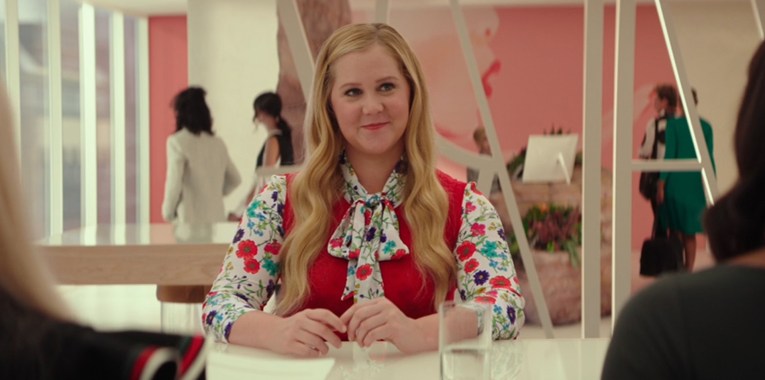
 From the overzealous caricature to the underdeveloped plot, this film seeks to validate the slightly overweight by suffocating them with overt Amy’s body-image messages. It plays like propaganda. Like the catchy but unfortunate “If you’re happy and you know it” tune that that one famous weight loss business reworded to say “If you’re lonely, eat your feelings, have a snack.” This too-long promo glazes over after the lingering pre-credits intro. Force-feeding an I’m-ok-you’re-okay-no-matter-what-we-look-like quickly turns to shaming as the hotter, mean girls tower in the hierarchy over less attractive smarter girls. This is the one way Amy balks the stereotype: her character is also not smart nor a good friend.
 Amy Schumer’s poster girl attempt falls short because she is not ugly enough to pull it off. She’s lovely. It’s her insecurity that’s the turn-off. She makes a 13-going-on-30 Zoltar-Tom-Hanks’-Big wish in a femme fountain, hits her head and wakes up Feeling Pretty. Unlike Gwyneth’s fat suit film (Shallow Hal 2001), we don’t see that alter-Amy. She just shifts to her super confident self with the low low aspirations of front desking for beauty products mean moguls.
 The bright spots are the co-stars when they get a word in – friends proposing group dates and the heart-of-gold tech nerd bf at Zumba.
 It’s another Devil Wears Prada without the smart story, snappy writing, likable mentor, or plot arc. It’s just every screen Amy, all of Amy, too much of Amy. It’s gratuitous Amy.
 In an era when Krasinskis are making smaller budget almost silent films with beauty and intrigue in every shot, movies like this feel so made-for-tv poor that holding the stub feels like an insult to art.
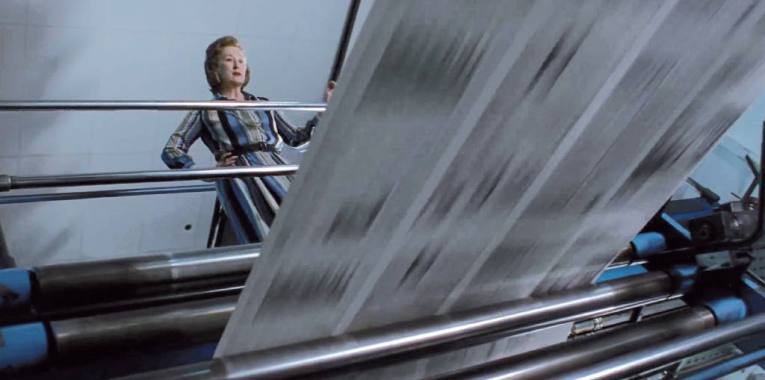
I love Spielberg. I know that simply stating this will force some readers into the spin-cycle of anti-indie argumentation. I can’t help it. We know his war spectacles, his historical bio-pics, of which this is one. I thought I’d get tired of seeing him cast Tom Hanks yet again, but who was I kidding? I love Tom. 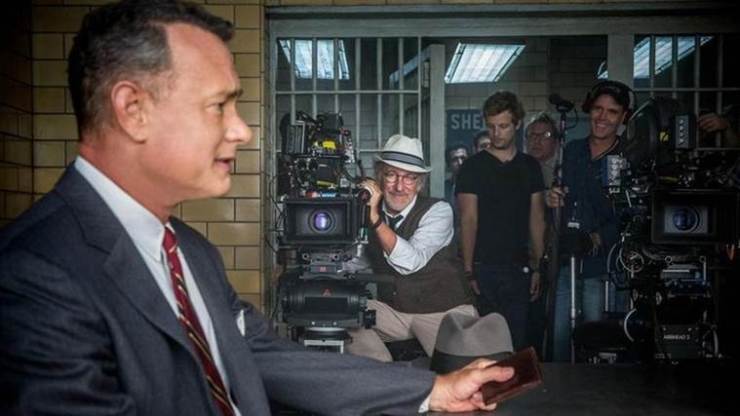 Spielberg puts fire under pivotal historical moments, bringing them to light so we relive them. I respect those who retell our histories hoping we won’t remake the same mistakes.
 The Post used to be a smaller publication, fighting for its place, for representation, for a voice. The superpower New York Times took a risk and went to court over printing classified Vietnam war documents. If the Post had not followed suit with the Pentagon Papers, who knows what would have happened to our country during Watergate?
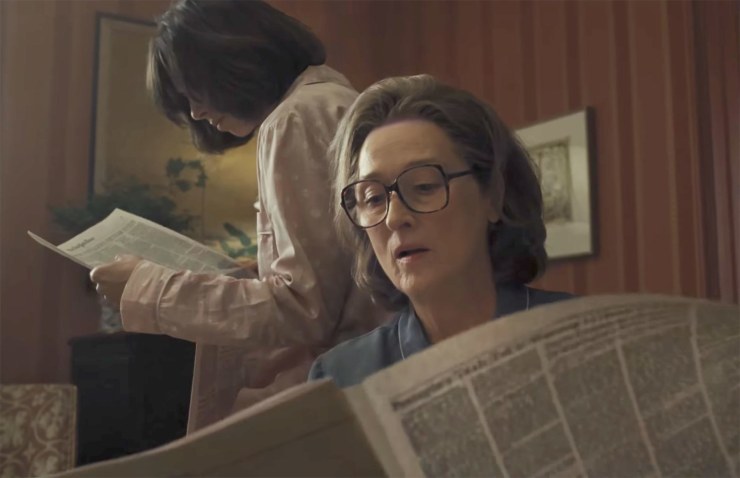 Despite the tension and generally strained sentiment towards journalism at present, we do know that without free speech, free press, and our many inalienable rights, our country could author its own demise. These truths, self-evident, must be fought for.
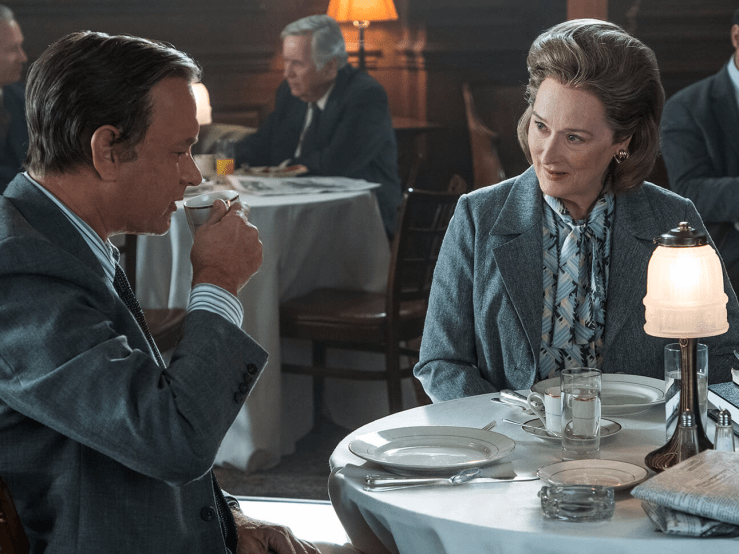 I am grateful for films like The Post as they don’t seem to seek to glamorize the institutions so much as the human choices amidst conflict that changed the world. In The Post, Spielberg offers intimate moments of truth from multiple forums: the powerful pressroom – minds racing and typewriters clacking, the factory floor – floor to ceiling printing presses whirring fast over steel typeset to build the hard copy news.
 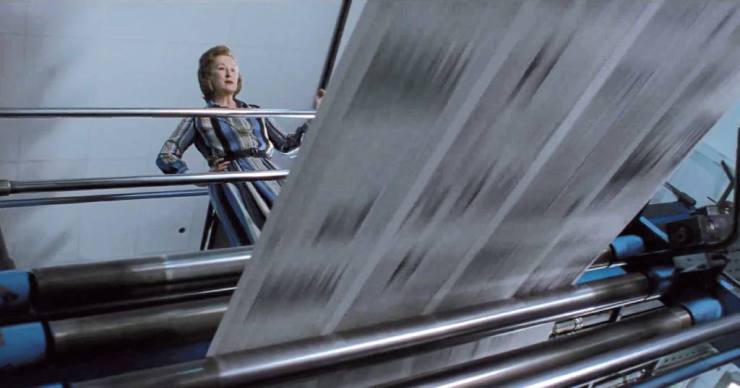 You can almost smell the ink, feel the room shaking, squint in the flood light of illumination when people stand for truth and for what they know is right despite threats.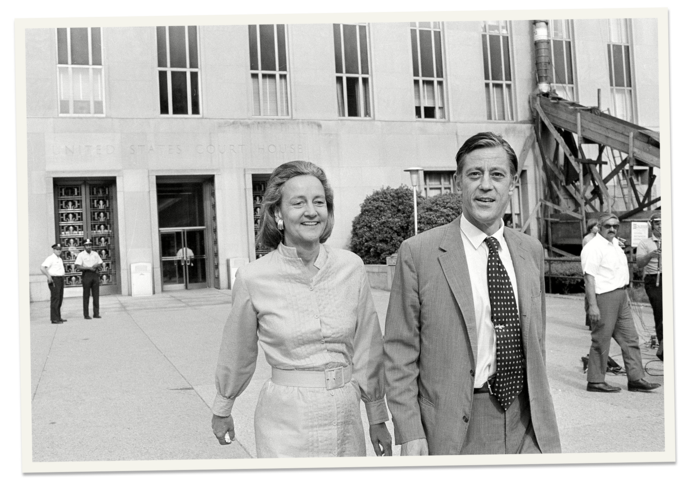
This director offers both power and intimacy in the same scenes. Here both are portrayed by favorite actors in memorable and slightly unique character roles. I love Hanks’ sharp sassy news Editor and Meryl Streep’s demure decision maker.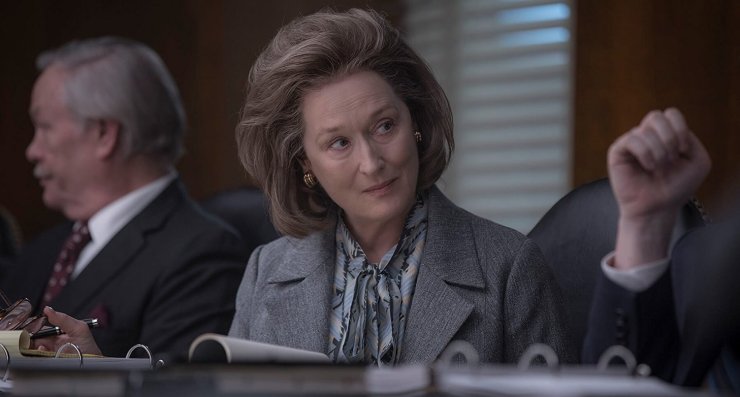 She appears almost timid until she comes into her own. Her arc evident, she proves her prowess yet again. She is lovely on screen, unapologetic in her quirks and sentimentality. She is strong in her femininity, gracious in her leadership.
 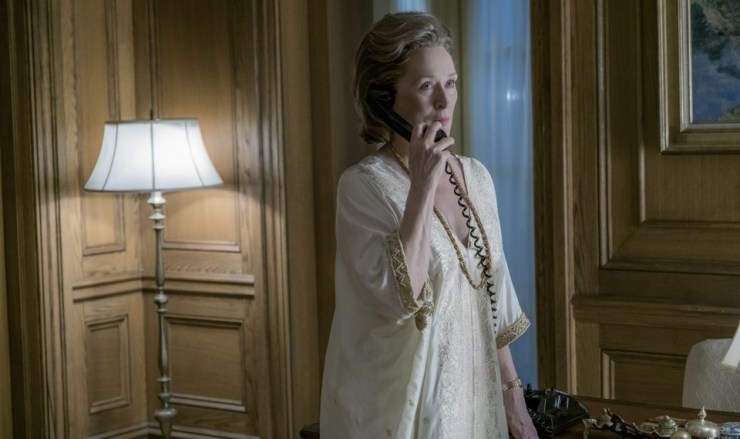 I expected more heavy-handed agenda-pushing moments of Meryl on a soapbox standing for equality, but when she questions herself, it is in the most subtle of scenes: sitting in pajamas conversing with her daughter after gently tucking in grandkids. Here she ponders the implications of her past and present, and here she decides to risk all and change the world.
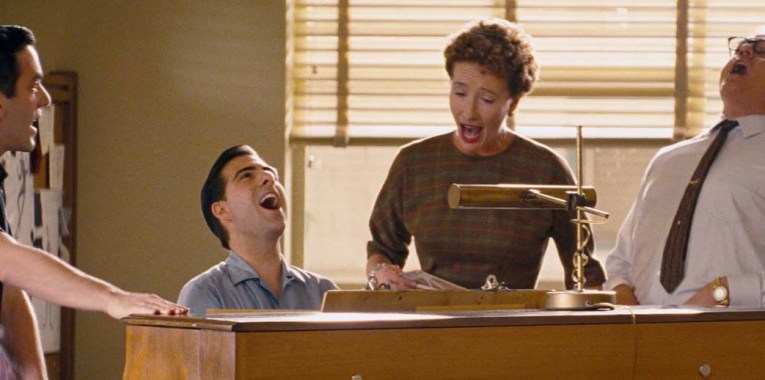
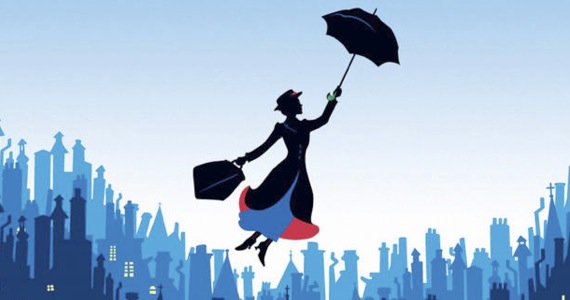
Saving Mr. Banks is a beautiful film reawakening Mary Poppins as an eternal classic. Etched into the psyches of most adults who watched it as children, we all know, for instance, that a spoon full of sugar actually does make the medicine go down. For every job that must be done, there is an element of fun. Children should play games, all sorts. Height can be measured by one’s character and be “practically perfect in every way.” Birds are meant to be sung to and fed, tuppence-a-bag. Sister suffragettes have earned a glee-filled “well done!” Neighbors have their quirks and canons. Street art is best. Carousels are magical. Uncles often get lost in their own jokes and must be brought back down to earth. Chimney sweeps were the first dirty dancers. Mothers should all be allowed to hire governesses, cooks, and cleaners. Fathers must be forgiven for working hard and then we must teach them to fly kites.
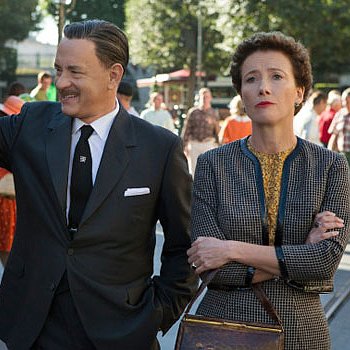 Emma Thompson plays P L Travers, British author of the Mary Poppins books. Her character appears to be the quintessential British matron with grand expectations and low tolerance for superfluous nonsense. What a pairing with the original imaginarian, Tom Hanks as Walt Disney himself. This film peaks through the office doorway into the early glory years of Disney.
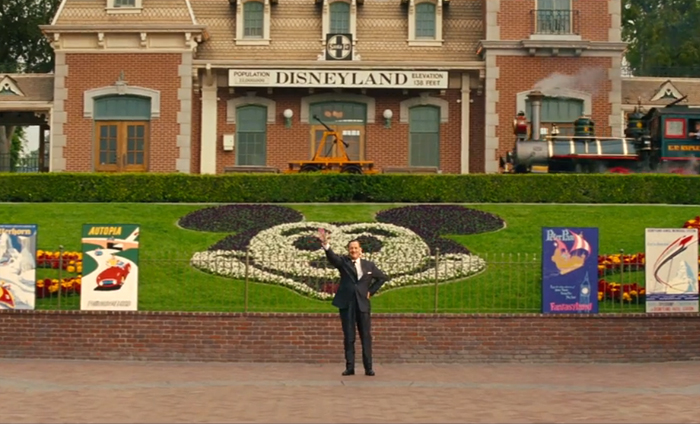
  As an adult, I still believe that Disneyland is the best place, “happiest on earth” as it claims to be. I love it so much. It remains quaint but moves forward, new and inventive while reviving vaulted delights at will. Creativity personifies within those gates, often showing up as the Mouse.
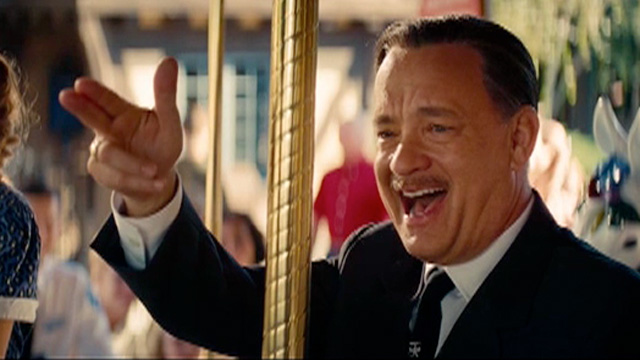
The brilliantly cast Colin Farrell is Mr. Banks, the one who must be saved. And Paul Giamatti delights with his quiet affirmations. He won me over as well. Jason Schwartzman and B.J. Novak march in as the brilliant unsung jolly song writing duo who turned so many children’s books into a show giving characters musical life.

What we don’t realize while watching Mary Poppins that it battles heart wrenching issues, offering hope to children when real life gets them down. Though slower-paced than Poppins, edgier and more emotional, Banks is all heart as it endears and renders fathers forgivable at long last.


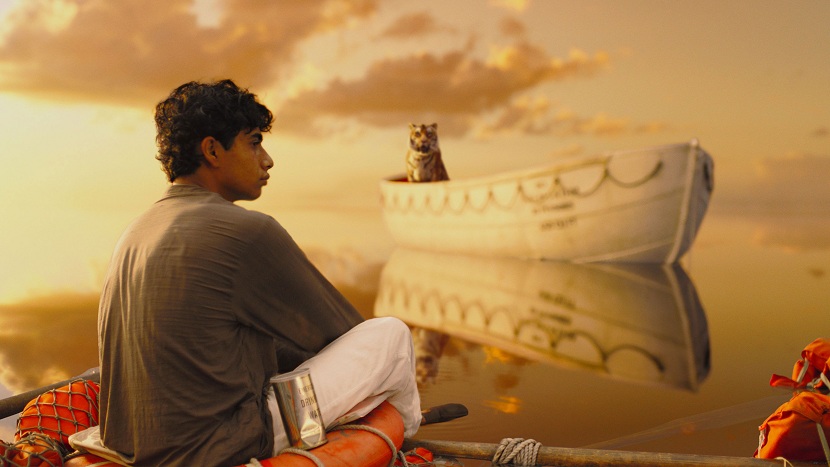
Even as a small boy growing up in India, Pi was hungry for religion.
This film is gorgeous. It is also disturbing and heart-wrenching, but gorgeous. Ang Lee directs beautifully this tragic survival story.
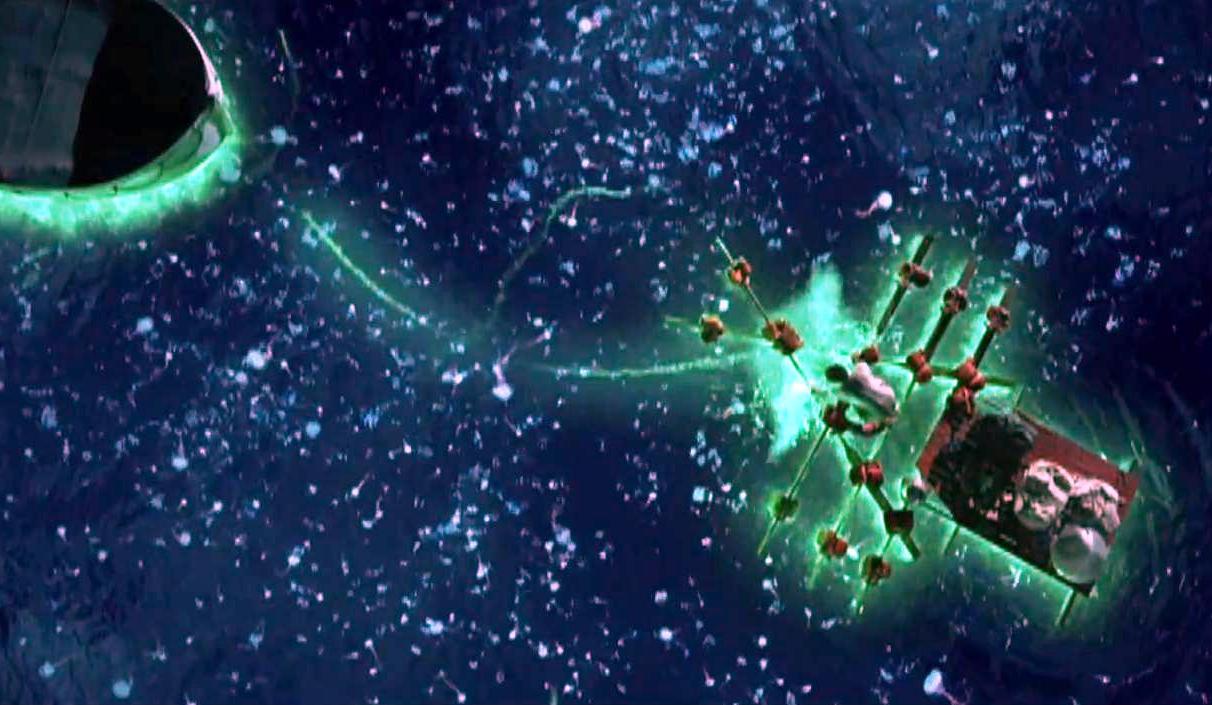 Most of the film takes place on a lifeboat with two characters. It’s very Hemingway meets Tom Hanks that way. You miss Wilson.
The point is, you never feel safe in this film. Death waits for Pi at every turn.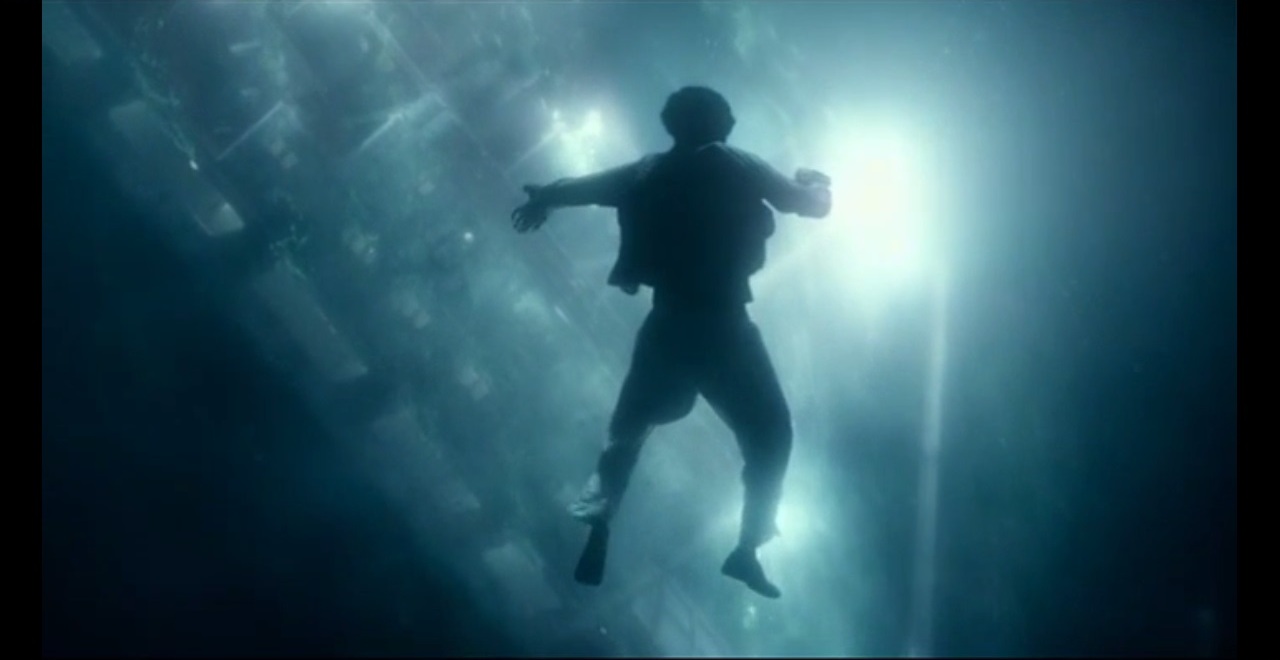
A child behind me in the theater was crying through a lot of it asking her mom to take her home. The mom kept saying, “it’s not real. It’s ok.” That mom was wrong. It is real. And this movie is not okay for small children. Though he is telling the story and we know that he lives, the tiger called Richard Parker remains a wild animal with raw instincts, and many many die.
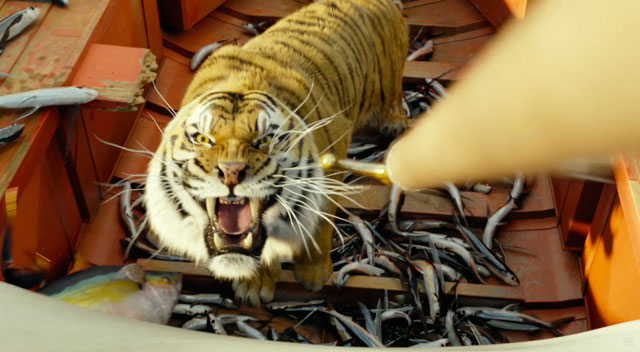

This film is packed with life lessons.
Pi is ever grateful to whatever gods he chooses to thank. I am not grateful enough to my creator God daily for my life, my very breath.
I forget that the very people and things I am most afraid of still need to be cared for. It is this care that fuels his drive to survive. If we are to survive the pitfalls of this life, we must learn to care for one another.

 Splatter: on FILM
