THE DISAPPEARANCE OF ELEANOR RIGBY (2014)


p06-shoji-eleanor-a-20150213THEM. HER. HIM.

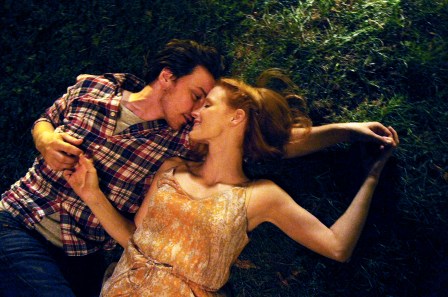
That’s the order to watch them in. The director made three films of the same story from three perspectives. Them (2014), he released a year after the other two. Despite the overlap, a distinct change in perception exists and shifts between the three. I found myself sympathizing with each character equally, depending on the perspective. However, the changes were subtle and the story often unaffected.

We are selfish beings who protect our own innocence and see ourselves as the victims. It is somehow healing to see the same story from three sides. It’s the essence of sociology. The same book sits on a table, but one person sitting there gets a view of the top edges and rough pages while another sees only the spine.c43b5da0aeb3cff0424300369501b945
This beautifully acted story tells the three sides of heartbreak as tragedy tugs at us all differently. Some, like the husband, swim headfirst under the wave of sorrow and into the torrents of business and busyness and every day existence hoping to come up on the other side unscathed. James McAvoy runs a failing restaurant in New York City with his best friend Bill Hader . His father, Ciaran Hinds, runs a successful restaurant and can offer little support or advice that will help his wounded son find what he also cannot.
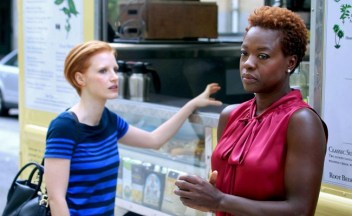
disappearanceofeleanorrigby_splash650Others, like the wife, tumble in the riptide until fighting the wave feels too difficult and they want to give in to the dive knowing they’ll never resurface to breathe the same air again. Jessica Chastain dives and is reborn. She moves home, cuts her hair, starts over. She takes classes from the perfect teacher, Viola Davis . Sometimes, people inadvertently offer life-giving support just by sharing a coffee or a personal story. Her father, William Hurt, obviously aches beside his daughter but says little. No one can bring Eleanor Rigby back to life any more than they can revive her child. Healing takes time, turmoil, patience, forgiveness, and more love than any of them believe that they can spare.DISAPPEARANCE-master675
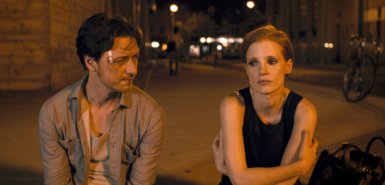
These films are not for the fearful, forlorn, or finicky.  They are dark, personal, pain-filled and foreboding. They deal in recovery, but hit bottom first. The layers serve to complicate and dissect the tumultuous waves of grief, which are unforeseeable and almost unnavigable,  much like real life.

PRISONERS (2013) movie review

Jake-Gyllenhaal-and-Hugh-Jackman-in-Prisoners-2013-Movie-Image…or rather 1/2 of Prisoners.

A cold, dank landscape mirrors an even colder script as hopelessness banks the curbs of this one-way highway of a film. I had to pull over and get off.

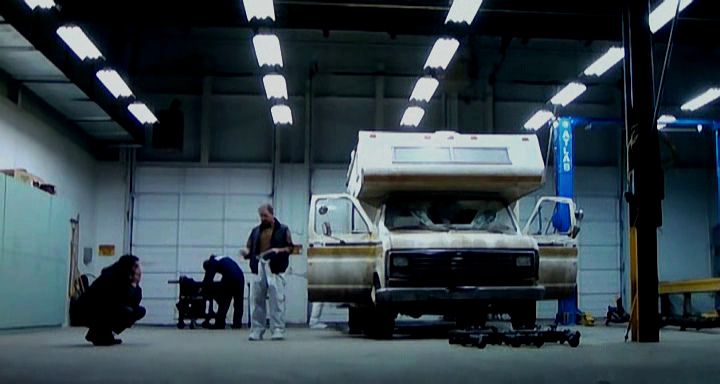
If my metaphor is lost on you, then you feel a bit like I did 20 min. into this film when long pan shots lingered over sticks from the woods and panels on an old RV. These are not clues. They are B-role. prisoners-2013-ts-xvid-uniquescreen_0

The film opens to the Lord’s prayer as Hugh Jackman teaches his son how to hunt for an odd venison Thanksgiving dinner. Jake Gyllenhaal eats his holiday meal alone avoiding the flirty waitress who must have been drawn to the cross tattoo on his hand. The priest is classically portrayed as the drunkard. Purposeful signs of a director’s devotion to faith perhaps, but more likely part of the frigid bitterness plaguing each scene.THE PRISONERS11

Lost in details but not plot points, the cast of A-listers never actually gets to develop these absent-seeming characters. They say everything, pepper it all with profanities, and care little for the emotion of the audience. It goes 0-60 in intensity without allowing us a buy in. Hugh Jackman barely has time to pet a dog before the girls are missing and he is torturing the only witness, bringing Terrance Howard and Viola Davis along to…watch?

prisoners09Even television shows like Law and Order SVU and Criminal Minds that deal with this subject matter in re-run ad nauseam, allow for comic relief or the odd splash of color between commercials knowing that viewers need it.

Titles often have meaning. Perhaps each character is prisoner in some way to his own stubbornness or addiction or fear or need for control. Jackman’s character claims that he prides himself on being able to handle any situation. His own wife accuses him of failure since he had claimed he could protect them from anything. The confines of grey hues in this film look very much like a prison. Suddenly the theater felt enclosed, cold, four-walled, and I felt the need for escape.

Hugh Jackman was about to pummel a mentally challenged boy for information. Torture him. Wow. One child ruined to save another. I liked this cast too much to want to remember them like this.  I quickly clutch and brake, turn, and head for higher ground.Prisoners film still

EXTREMELY LOUD AND INCREDIBLY CLOSE (2012) movie review

EXTREME  stream of consciousness:

thrust, pain, 9 – 11, wander, wonder, fall and falling, alone to wander, never swing, sell, consume, buy, drink, speak! scream, play, sell, cry, dust, play, spell, chart, graph, organize, know, hear, listen, speak, spell, sell, know, known, No.

LOUD  contrasts:

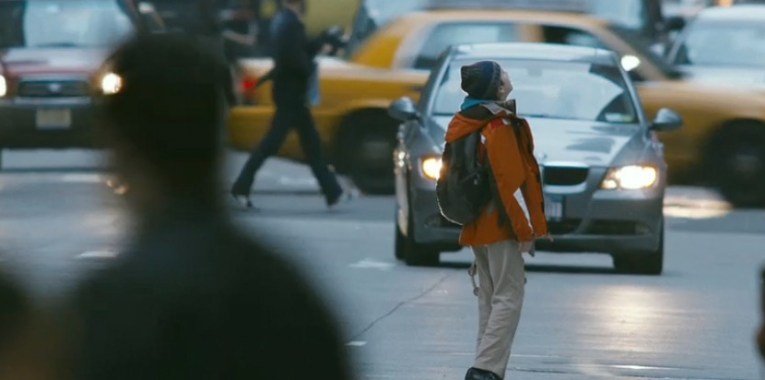
I stop in NYC on a busy street and hear a buzz of voices, traffic, horns, businesses, etc. There is no real quiet in the city. It’s the price you pay for city life. Some love it.

The blunt contrast is my Uncle’s farm on the prairie in Minnesota. Stop and stand there in the tall grass of that dark earthy place and stay long enough, you’ll hear the wind moving the grass, crickets, and perhaps the distant freeway.

I think this film is about Asperger’s syndrome. It could have coincided with any tragedy in a boy’s life, but in this case, 9 – 11 in New York offers setting, a mere marker on a map to anchor the boy’s quest for illumination.

INCREDIBLE performances:

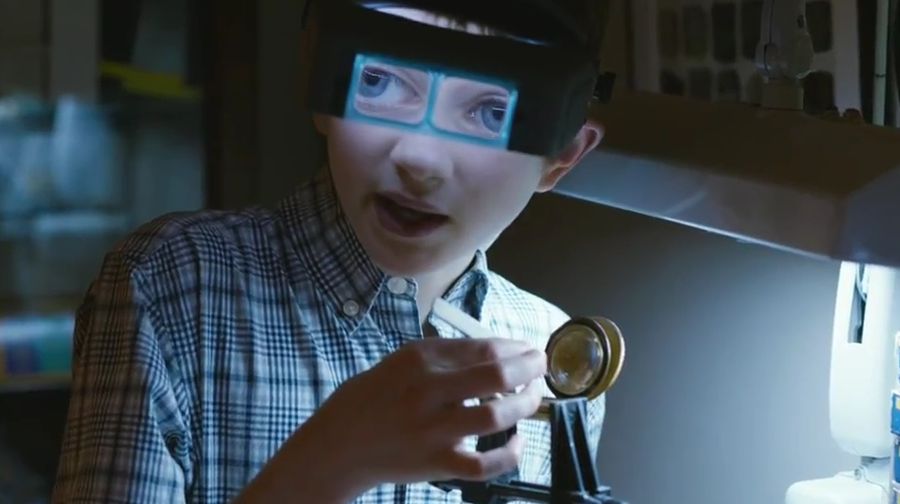
I’m shocked that the boy, Thomas Horn, (winner of the 2012 Kids Week on Jeopardy) wasn’t recognized by the academy for this genius performance. He shows the inner struggle perfectly – the irony of the why in grief. Responses to grief are as unique in execution as speech: individualistic in  dialects, accents, cultural biases, colloquial norms.  We do not have answers for questions like why people die and why it hurts. We cannot explain it to adults, let alone children. We are all learning how to help one another. And young Oskar Schell, despite the unique way that he sees the world, carrying his tambourine into the living rooms of strangers, will not find answers either.

CLOSE-ups:

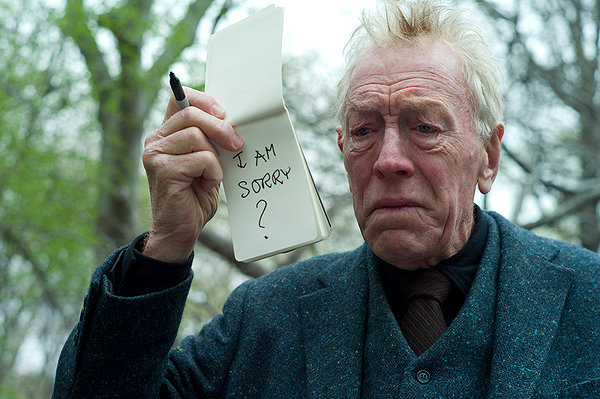
This film plays like a hymn. Four or five verses with a similar melody, without choruses to break up the consistency. It perhaps needed a chorus or two. The consistency of tension and grief in this film is exhausting. I suppose it enforces a new empathy for a syndrome that requires monotony, routine, pattern, and sameness. I do love the scenes with Max von Sydow. He is precious, beloved.

My favorite verse in this hymn is a scene that sums up the whole film.  The boy visits Viola Davis, asks for iced coffee, and throws out elephant facts as she cries. He takes her picture even after she says no.

I love parallel moments in film, and when he finally breaks and asks a stranger for forgiveness, I am broken too. This film does have the power to move people, to help us see strangers as people of stories and loss and hope, like us. It helps us relate to those we cannot hope to understand. It give us hope to see and swing and laugh and live another day.