
Subscribe to continue reading
Subscribe to get access to the rest of this post and other subscriber-only content.

My journey as a writer of screenplays, novels, poetry, and more. films as I see them. Enjoy!

Subscribe to get access to the rest of this post and other subscriber-only content.
Subscribe to get access to the rest of this post and other subscriber-only content.

Subscribe to get access to the rest of this post and other subscriber-only content.

Subscribe to get access to the rest of this post and other subscriber-only content.

 Zellweger’s JUDY, like Portman’s Jackie, offers a brief look into her moments of highest tension in life. Judy Garland was America’s sweetheart for the whole of her short life, but never was she allowed to bask in the joy of being so. She was a puppet, a plaything for managers to exploit and audiences to admire.
  I grew up in a world that kept her ruby slippers under glass and sang along with her gleeful performances. Her life looked charmed and protected under lights and roses tossed from theater seats.
 This was the illusion. Off-stage versus on. Almost robotically, a switch flipped in front of an audience. The child actor poised, prodded, and pumped with narcotics became the showman. Addicted to audience and adrenaline as much as substances, she found no solace in the “normal” life she wished for. She loved her children but didn’t know how to shut off offstage.
 Renee Zellweger truly embodies Judy in her last year of life, her swaggered performances and pained relationships. Judy Garland’s life story is a sad testimony to the abusive underbelly of entertainment and the affect of falling for the fickle love of fans.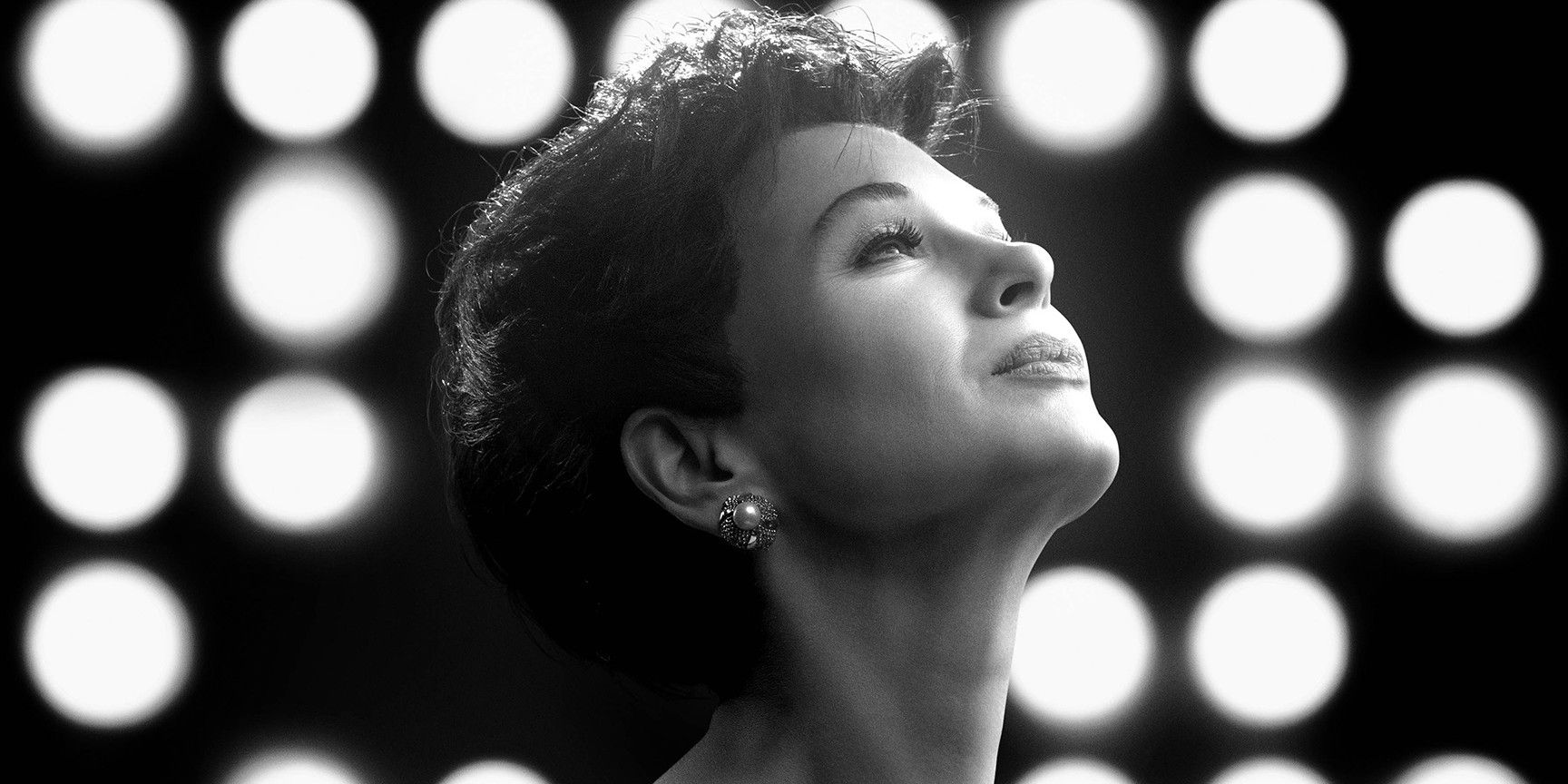
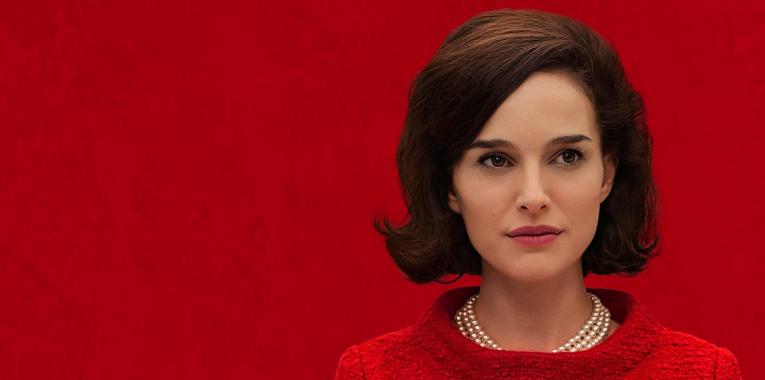
 JACKIE Kennedy Onassis, fashion guru and lifestyle trendsetter influenced a nation with her quiet, proud posture of grace. Yet she endured what few could have, holding her murdered husband as he died and the million griefs that that sudden shock brought to her family, her situation, and her name in the days and years following – all under daily public scrutiny.
 She suffered silently even before he died. In many ways, her struggle is underplayed in historical accounts. We rarely think of the assassination from her perspective. This film offers insight expertly shown by Natalie Portman’s portrayal of Jackie’s aimless pacing of empty state rooms, her endless dress and undress. This also sets audiences up for the fateful day when she chooses not to change out of her bloody pink suit until she is finally alone to grieve.
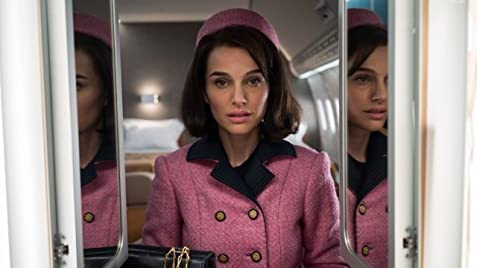 The film follows two interviews in tandem, one with a reporter and one with a priest. One a decision, the other a confession. One in staunch stance, holding demure position and poise, refusing to sensationalize. The other emotionally asking how God could allow her every level of suffering.
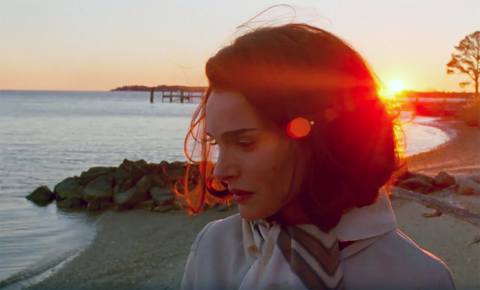 After JFK’s death, Jackie chose to honor her husband’s memory and position by leading the country in grief as she did in fashion. When anyone dies, we unconsciously customize their memory. We eulogize their beauties, skills, and strengths, remembering them for all of their best qualities. Despite their flaws in life, we glorify them in death.Jackie orchestrated a hero’s send off in favor of patriotic symbolism and in so doing, strengthened a country. Her dignity set the tone for the whole world to grieve. This film shows her internal tension and culminates as she explains the line from her husband’s favorite play, “for one shining moment, there was a Camelot.”
Bio pics run the Oscar syndicate, two favorites are: JACKIE (2016) & JUDY (2019). (Stay tuned for Judy review!) Unsung and yet beloved, the reputations of both of these two icons remain somehow untarnished despite the tragedy, conspiracy, intrigue, and raw reality of their stories.


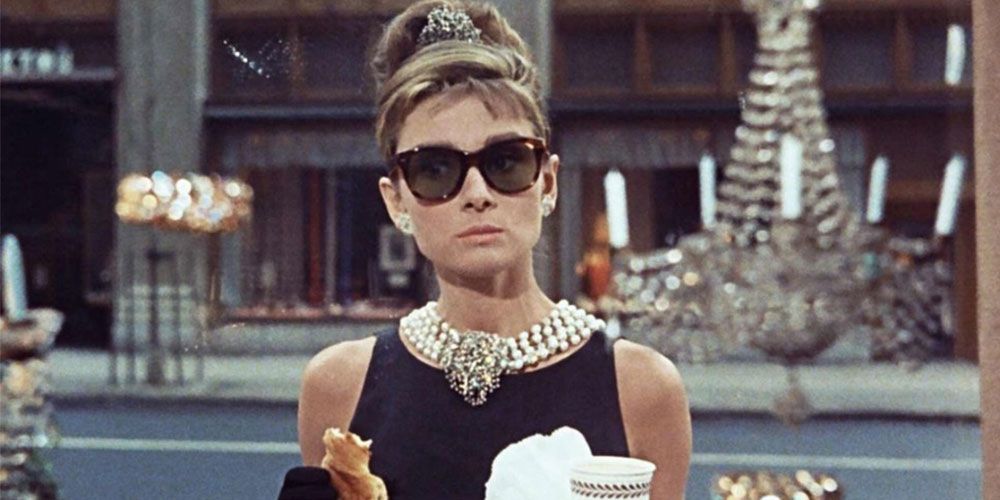 Audrey had a way with people. She wooed them. She still does. So many of her films are almost travel-bios advertising the towns they tour – each city becoming a character of sorts in the film.
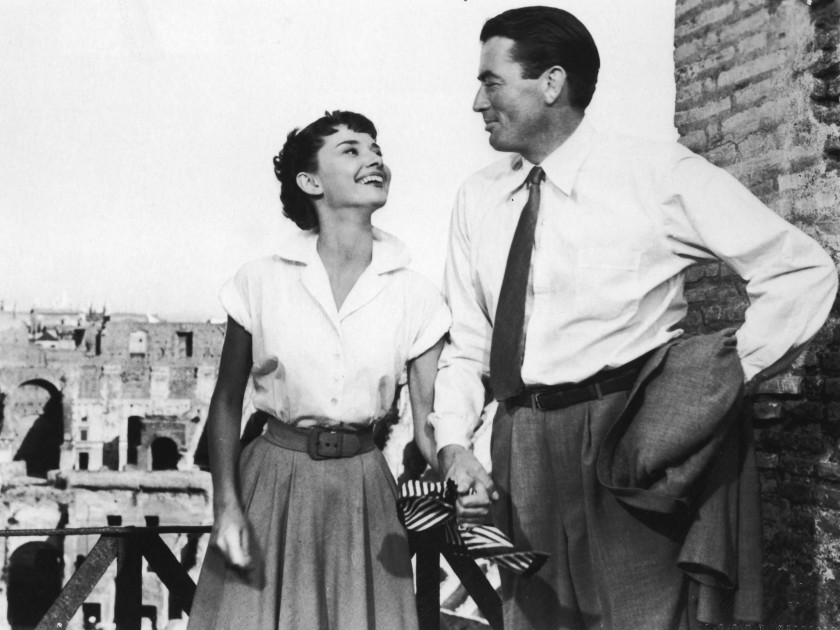
 Roman Holiday (1953) sweeps her up into Gregory Peck’s arms for a guided tour of Rome offering an overworked Princess a rare holiday for a day.
 In Funny Face (1957), Audrey tours Paris and transforms from bookish to bombshell. Bonjour Pari!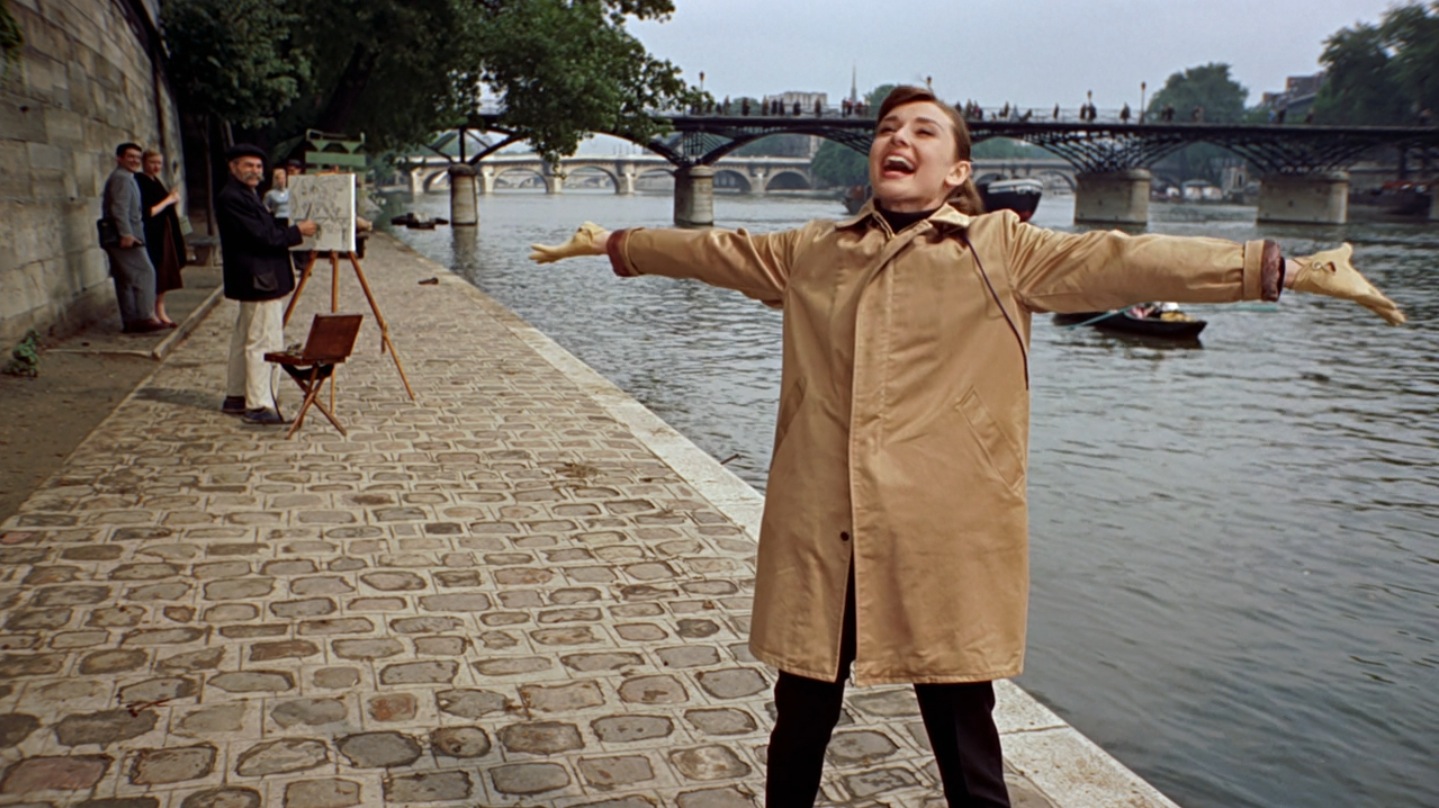
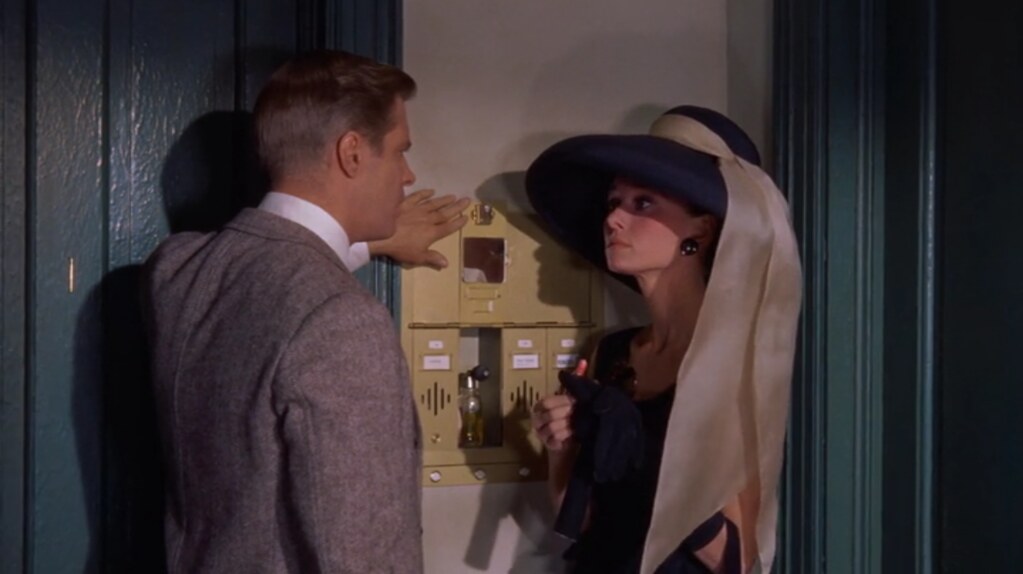
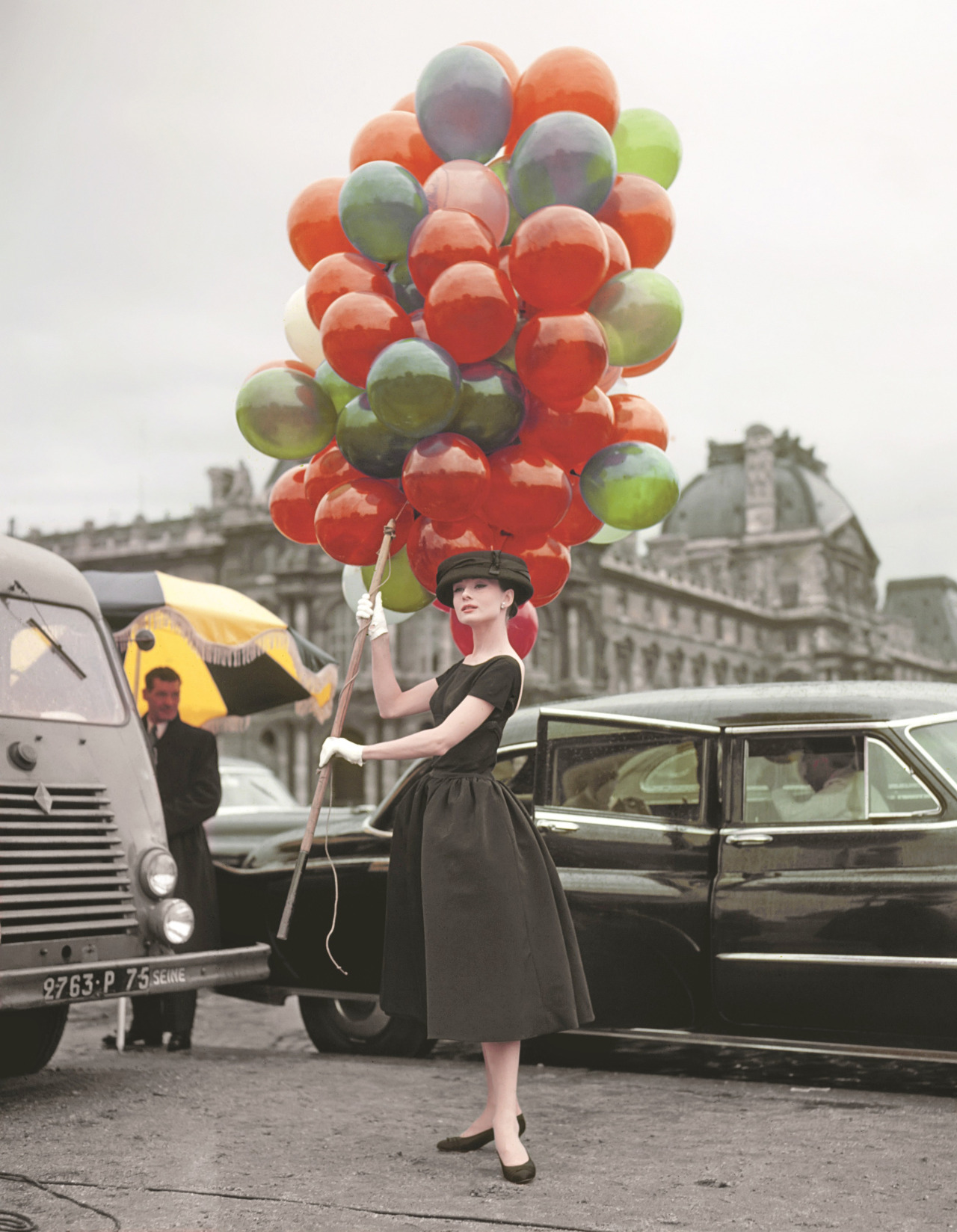 Breakfast at Tiffany’s catches cabs all around NYC with George Peppard. Their iconic day of firsts is a perfect city glance.
 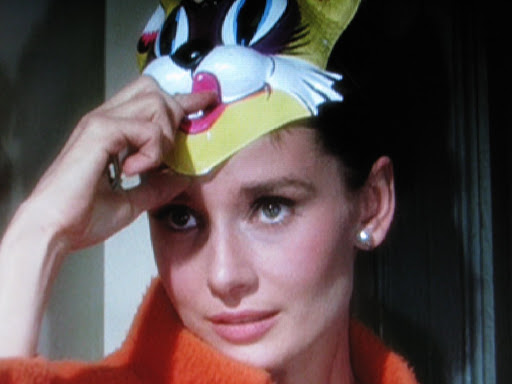 Set in the well-sauced sixties, the story surrounds the nightlife loving New York model escort who befriends the young and beautiful writer George Peppard, who has similar secrets of his own.
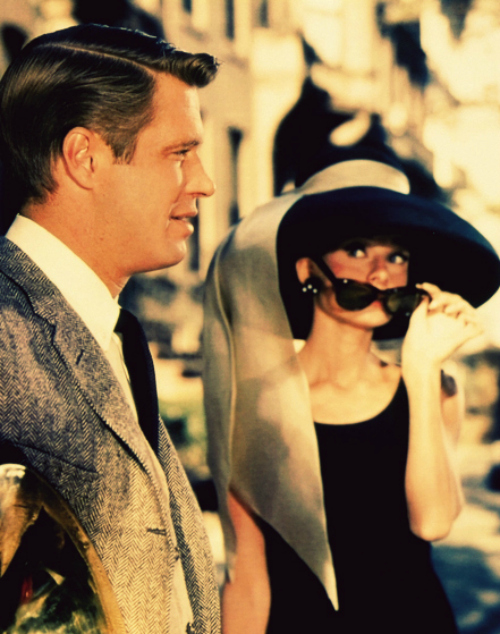 Despite Mickey Rooney’s unfortunately racist caricature, much of this film still holds up. It’s a Pretty Woman story of sorts, in which Audrey Hepburn gets to play against type as Holly Golightly.
  No longer the little girl, wistful and tender hopping about Rome, this role created by author Truman Capote is much darker: a girl, full of sorrow, running from her past. The mask she wears just happens to have thick fake lashes and a perfect wardrobe dripping with tasteful jewels.
 Honest and safe in each other’s presence, the two main characters grow more comfortable together and slowly more cognizant the fact that to true love requires vulnerability, dependence, and exclusivity – all of the relational holds she’s been running from her whole life.
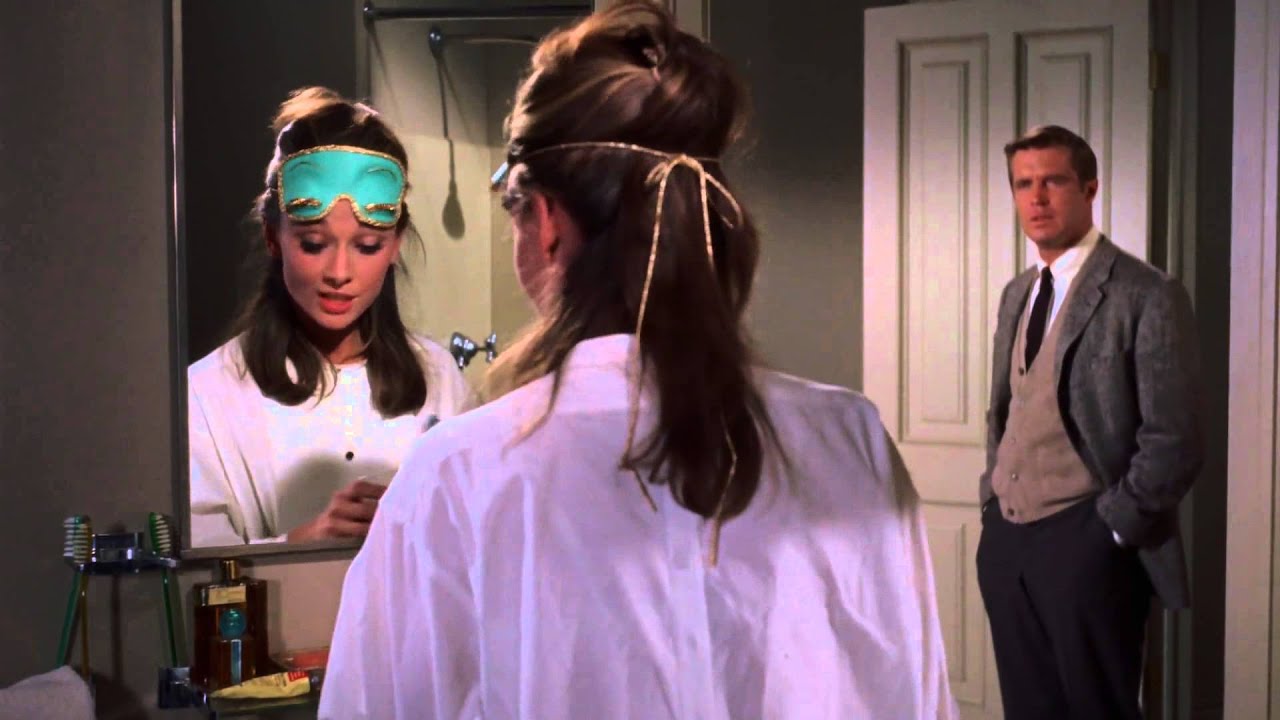 She shows him her Sunday afternoon side, singing on the fire escapes and feeding the cat. Henry Mancini wrote the famous song “Moon River” for this film. Studios weren’t going to let Audrey sing it because of her whispey vocals, but Mancini stood up and said if she didn’t sing it they wouldn’t get to use it.
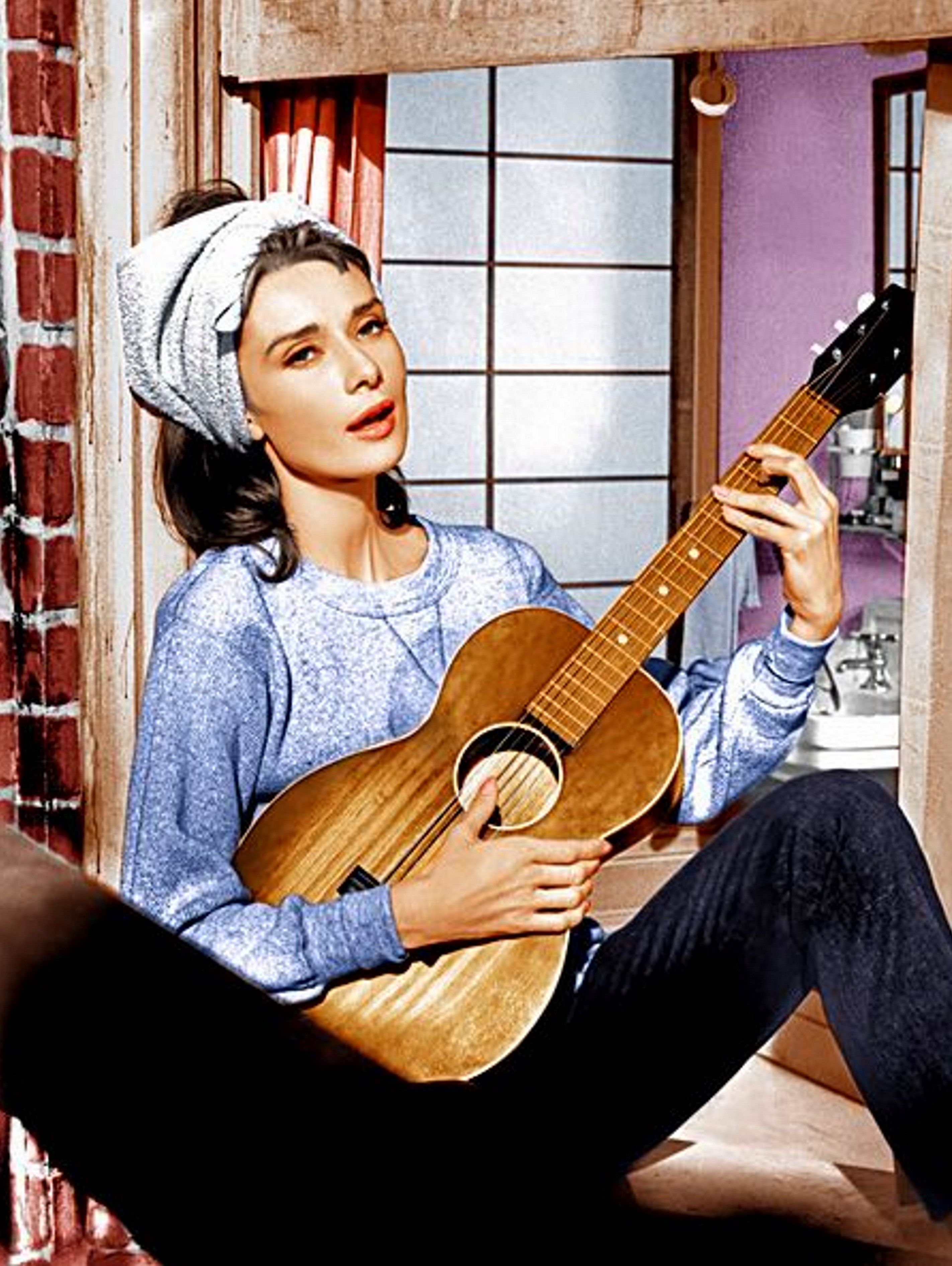 Peppard quickly becomes the one man in New York who is privy to her past as a young girl on the farm, married off to a widow at fourteen. She seeks freedom in the Big Apple but finds only a new sort of slavery. She calls herself a wild thing who can’t be held down. She won’t even give the cat a name because he doesn’t really belong to her. To belong to somebody would give them power over her that she can’t allow – it hurts too much.
 Breakfast at Tiffany’s, now iconic in both fashion and film, is truly one of the saddest stories, but it teaches its audiences that to love is to allow someone else in, for better or worse, and that that can be beautiful.

Tales of Thurgood Marshall don’t do his courage and swagger justice quite like Chadwick Boseman’s performance.
Sterling K. Brown (of This is Us) also stepped up to the big screen plate with expertise I hope to witness more often.
Josh Gad , often the funny man, centers and performs as the story goes from same-old courtroom to Atticus Finch-esque exposition.
Perhaps it is exposition that is this film’s fatal flaw. All talk, no action. Elvis sang a song to that effect, and we should have listened and offered a little less conversation a little more action.
It does its job, at least, of setting up the despicable former treatment of people of color in the south. Thurgood isn’t the all-good too pure and perfect hero of the film, but he’s human, relatable, delightful on every screen he graces, sauntering in with confidence to win cases Atticus never would have dreamed of winning.


The boy rides the crux
Of becoming his hero:
Outlaw or father

Crowe and Bale strike true
As likable outlaw and
underdog rancher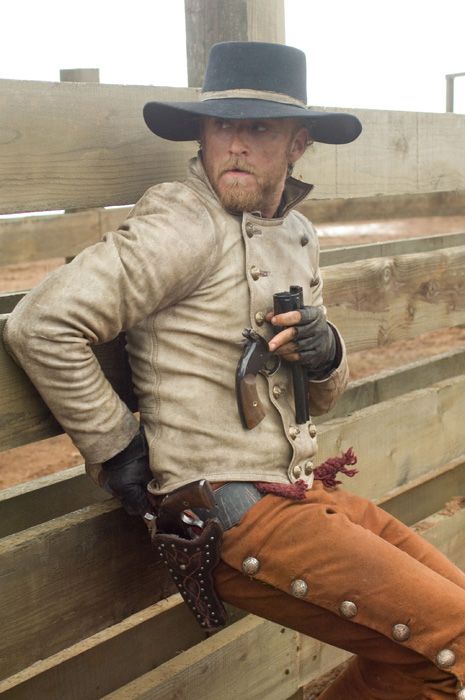
The old west’s ying yang
Justice rides the 3:10 train
Gunslingers roundup
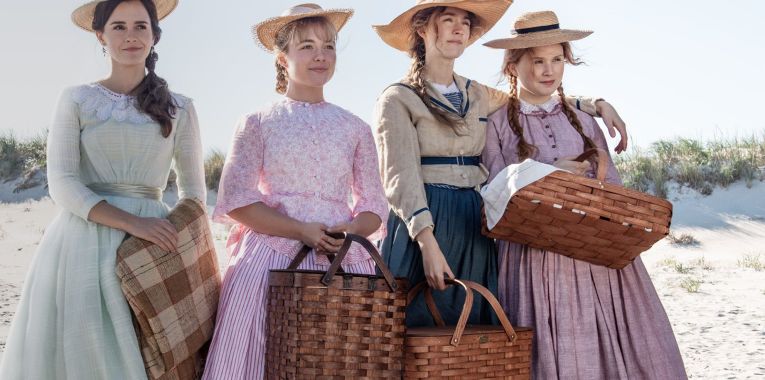
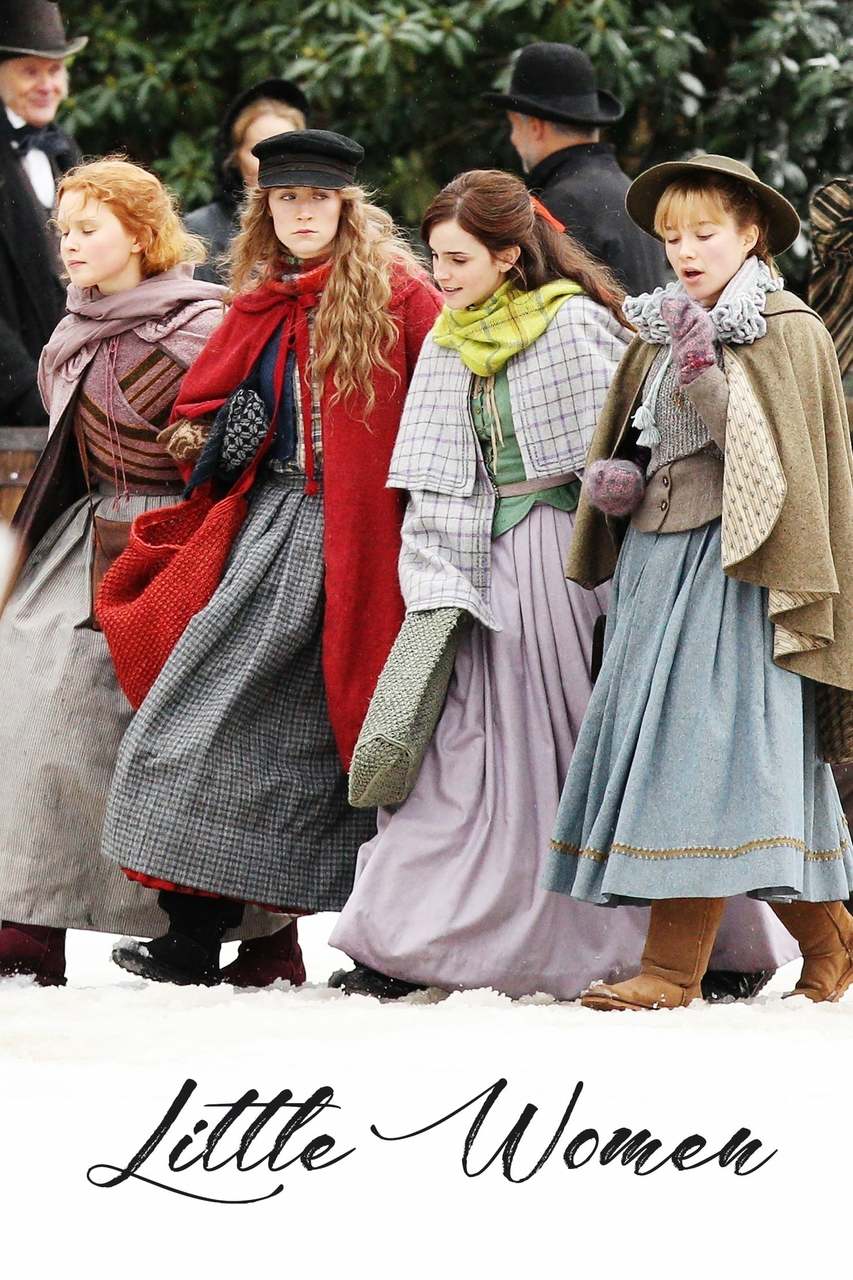
 When given the challenge of reviving a generational classic, Greta Gerwig called upon her faithful, dramatic compatriots (Saoirse Ronan and Timothee Chalamet) and broadened her incredible team (Laura Dern, Meryl Streep, Florence Pugh, Emma Watson, Eliza Scanlen, Bob Odenkirk, Chris Cooper, and more) to reinvigorate Little Women as we’ve never seen it before.
 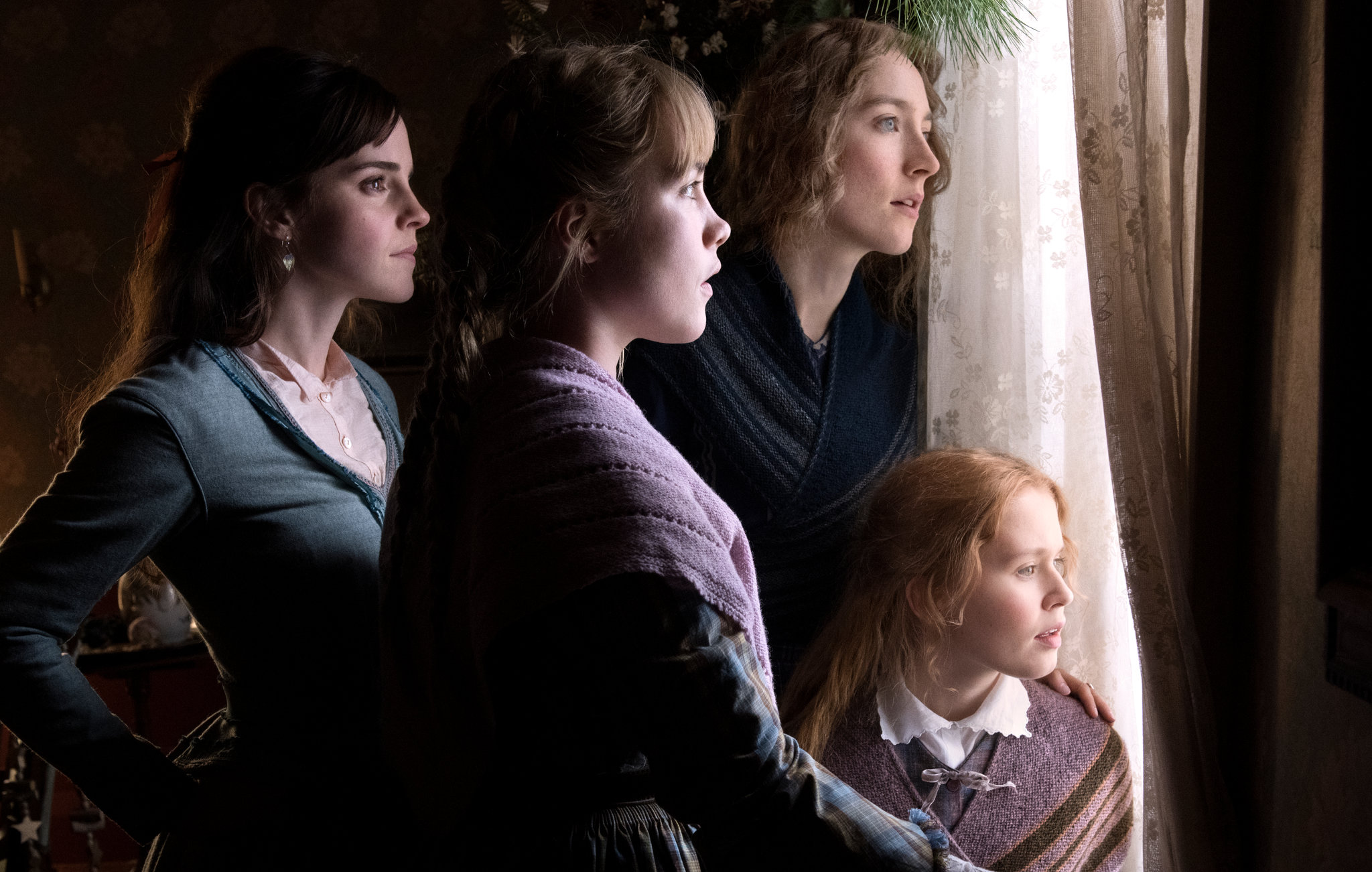 This film is a triumph in artistic vision and storytelling vigor. It’s a walk through the Musee d’Orsay; each scene is reminiscent of a famous painting. Each character is a Pinterest board of fresh takes and favorite moments from classic renditions of these films, all adaptations of the beloved novel by Louisa May Alcott.
 But this is Gerwig’s finest chess move. She plants author’s DNA into the main character. Jo March is a strong, verbose, witty, lively heroine confined to the constraints of an era in which women were doomed to demure domesticity. She was a writer and a visionary. Like Alcott. Like Gerwig. So her characters investigate the struggles of home-life in a time of civil war, when money is king yet scarce, and when imagination and family bonding provide rare escape from discouragement.
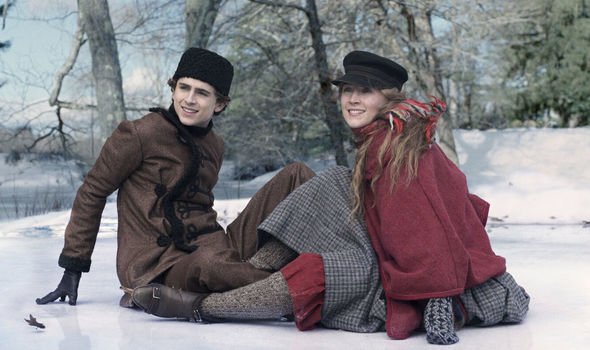
 Loss determines destiny for most, but strength of spirit and courage of will allow the March women to rise above all.
Don’t miss this newly deemed classic. It’s pretty nearly perfect.
 Splatter: on FILM