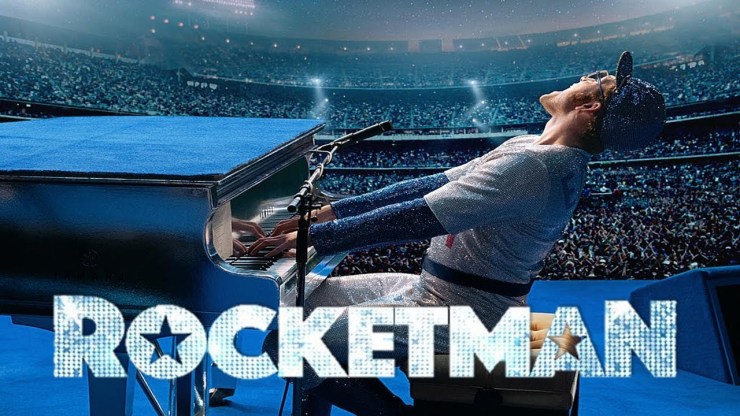
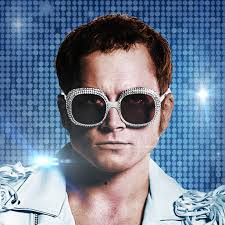
He was humble Reggie Dwight
Bedazzled his life
Check out the TRAILER

My journey as a writer of screenplays, novels, poetry, and more. films as I see them. Enjoy!

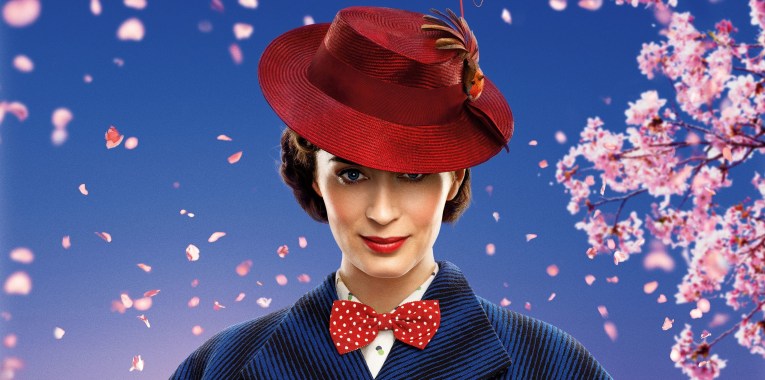
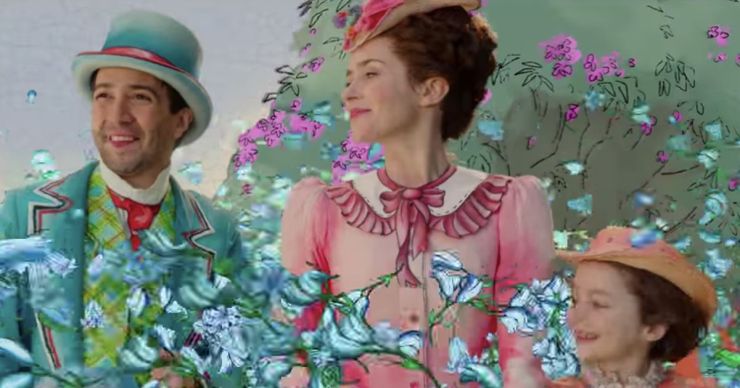 Blunt shines as Poppins
Bath is an ocean, chipped bowl
A cartoon circus 🎪

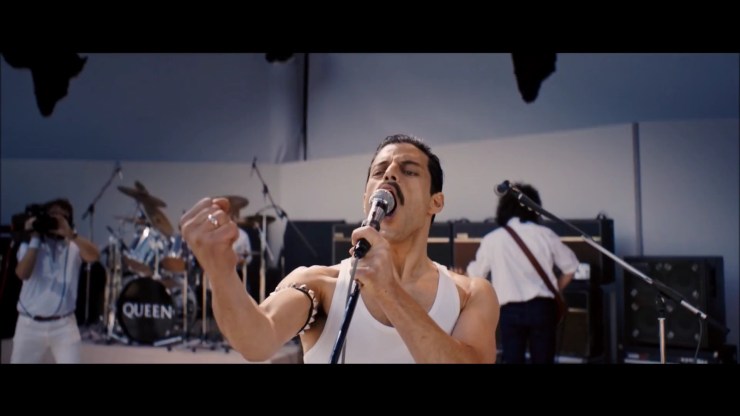 Freddie Mercury’s life demands a big screen experience. Flamboyant, flippant, often flustered, Mercury was a showman with the pipes to match.
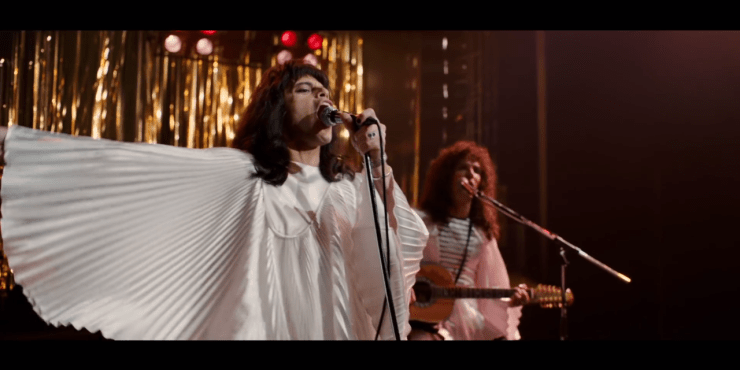 His talent surpassed the world’s ability to process it. He was a diva through and through who envisioned massive crowds enthusiastically applauding his music. One performer can’t do it alone. The Queen band became his family, and he theirs. His wife, ever-supportive, endured a lot but remained his rock and comfort even after they split.
His huge personality paired with an equal ego. He was haughty and callous, exclusive yet extroverted, and Rami Maleck plays him beautifully. When Mercury was diagnosed with aids, however, he was humbled. His world closed in and he searched for his true companions again. His band took him back and remained family to the end.
 This bio-pic places audiences on stage for the largest concert in history. Every minute, the exploration of vibrant color and lighting in each shot, not to mention the phenomenal costuming, makes this an incredible viewing experience.
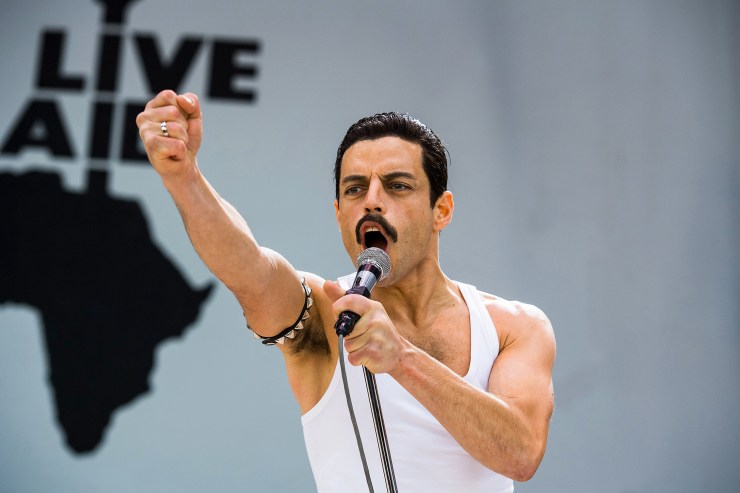 Bohemian Rhapsody
Rami Malek (Freddie Mercury)
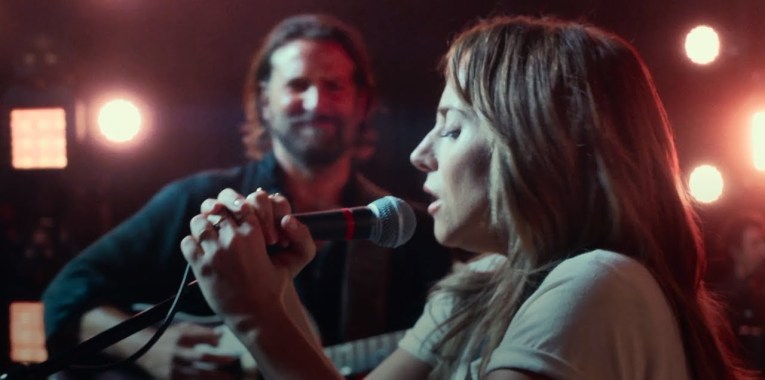
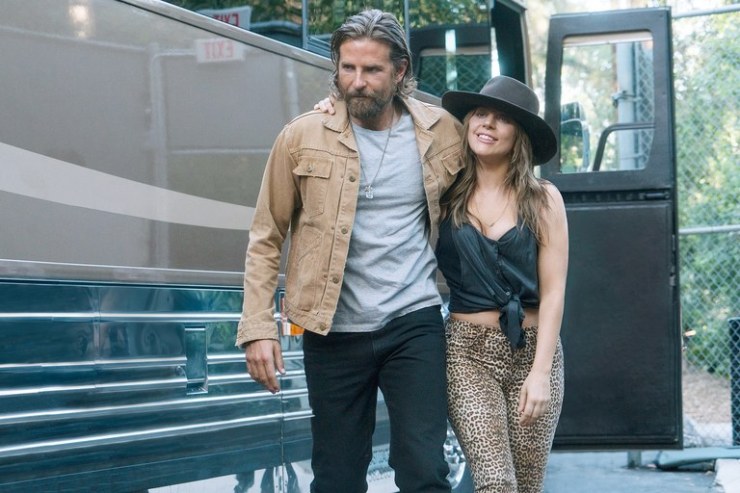 The premise: a skilled performer finally gets her big break and true love only to find that one cannot exist with the other.
Bradley Cooper wears many hats over his trademark blue eyes for this film: singer, star, writer, and director – he’s a regular Streisand.
 Lady Gaga nails every note but gives only a few unforced sequences. Her first few scenes with Cooper are decently honest and raw. As soon as her character reaches performance mode, however, she’s back to standard Gaga: almost meat suit, Kermit dress level.
Her character is allowed some complexity: she’s snarky but subdued, impulsive but fearful. Yet, we never know much more about her than her immediate feelings. Cooper’s Jack character gets more backstory, but character gaps make him the big/hearted addict performer only.
Brilliant musical numbers performed as live stadium shows interrupt the otherwise arduous pacing revealing huge character gaps and content foibles including Dave Chappell’s one perfect scene which feels dropped in like an afterthought.
The scenes in the house were O’Russell-esque: wild with conversational dialogue and frenzied POV. Delightful with perfectly cast Andrew Dice Clay as her father. Otherwise, most dialogue felt messy and foul-mouthed, forgetting continuity and consistency in favor of Gaga power ballads.

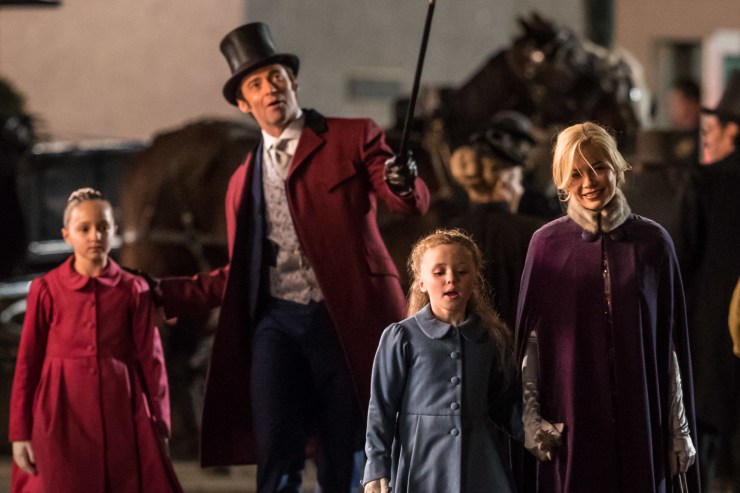 Hugh hits high notes with jazz hands in a red circus master’s jacket. What more could you want?
Zac Efron joins just in time to allow for a romance with Zendaya under the big top. It’s spectacle and light with a coating of saturated prime colors and a crisp, palatable score. It all works. The pacing proves perfect as the cast of unique characters dance and sing and soar from scene to scene.
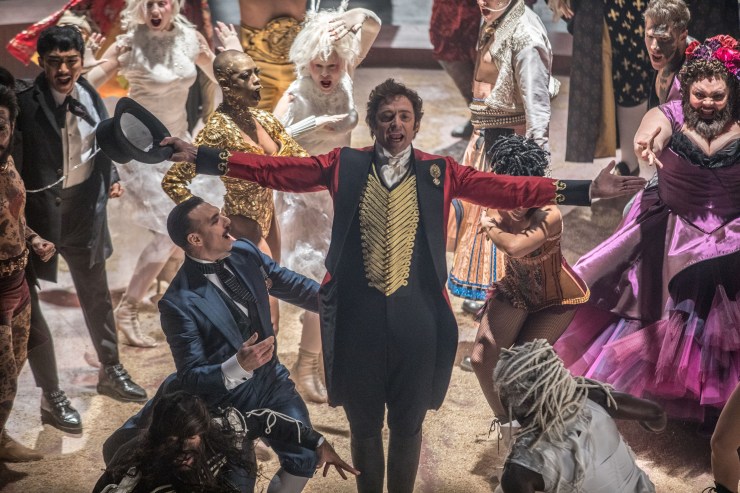
The first song covers a period of at least ten years. Heart-fueled hard belting Broadway voices preach equality for the marginalized, hope for the lonely, bravery for the penniless.
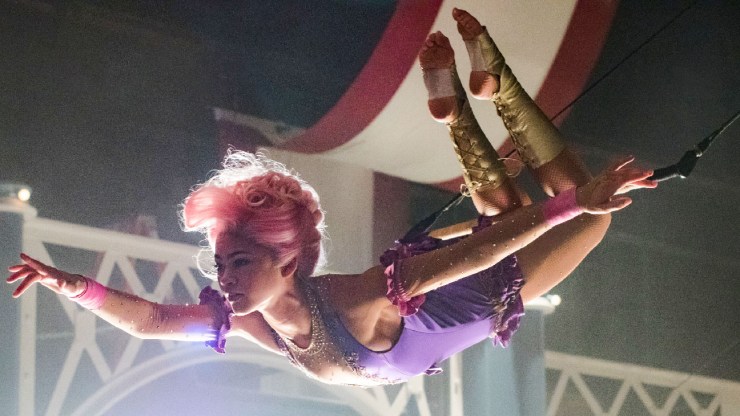
Family friendly, fast-paced and fun. I was skeptical walking in, missing Logan’s claws and envisioning Les Mis moments of sorrow, but this I recommend for the big screen as long as you prepare your soul for a classic burst-into-song musical, which it is.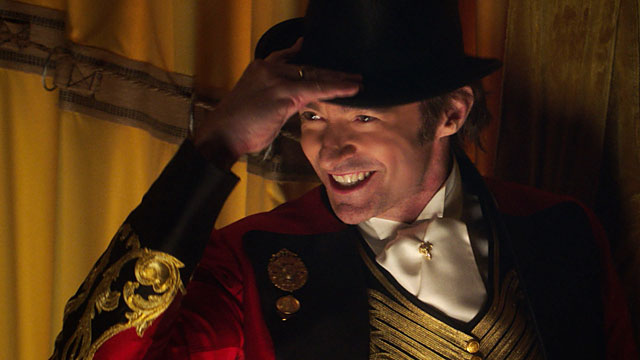

City of stars, are you shinin’ just for me?
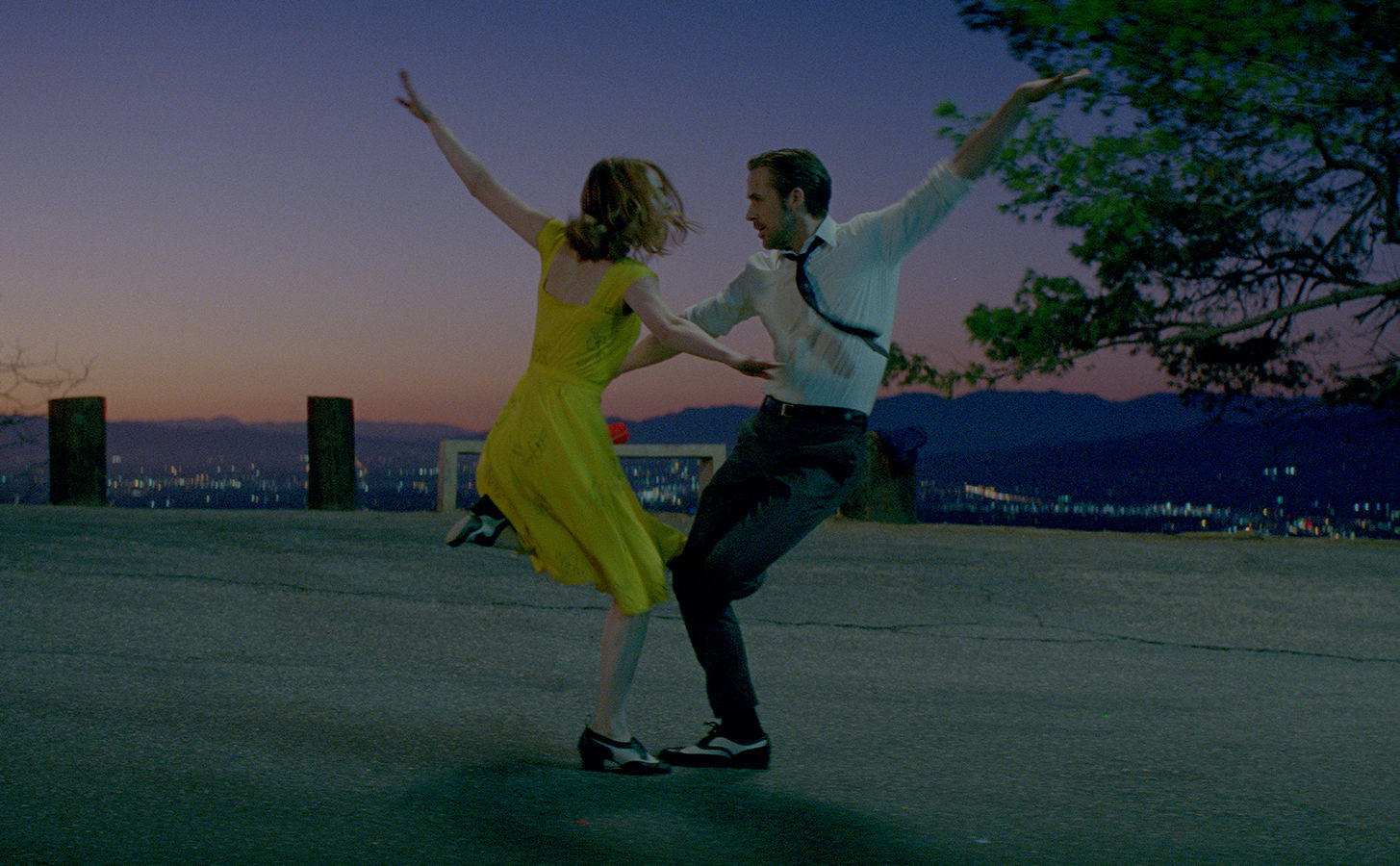 I grew up watching Fred Astaire and Ginger Rogers toe tap and twirl as the band played on. In La La Land, writer /director Damien Chazelle offers the same snap and dramatic vibrato expected after his Whiplash hit in 2014 without falling into the traps of most musical fare. This is whimsy, not kitsch.
LA is not the city of love or light or laughter. It’s the city of stars, of expectations and broken dreams, of dress up and play act, of trial and error, of big show and grand finale. Who better to cast in this musical whirlwind romance than Ryan Gosling and Emma Stone.

 Patched realism supersedes glossy perfectionism as La La offers common characters in challenging jobs and relationships who sing and swing their way through classic Rebel moments and old timey jazz bars. Barista Stone flies from one disappointing audition to the next while Gosling’s sappy Romeo throws himself into his purist jazz music. Balancing hopeful dreams and daunting realities in Broadway rhythm, they dance through every season as La La Land changes them both, for better or worse.
  This necessary film somehow offers dreamers windows of practical insight while in the same beat, providing hope for fatalists. The score, perfectly understated, never preaches or screams. It lilts and never leaves you. It’s somehow about you, so you won’t forget it. And you’ll possibly wonder for much longer than a moment, why you ever stopped taking piano lessons.

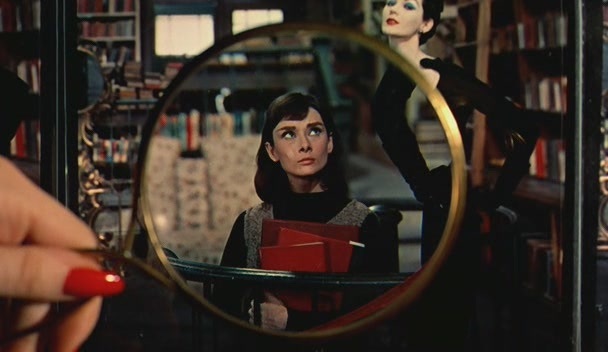
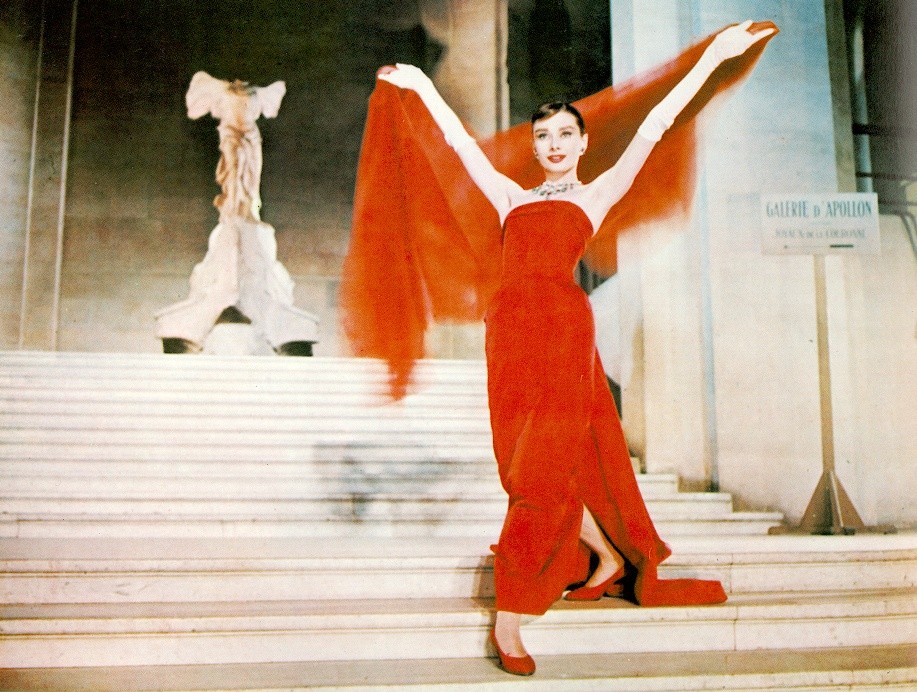 It opens as the first Devil Wears Prada as scene-stealer Kay Thompson entices the world to “Think Pink.”
These filmmakers were way ahead of their time in creating art films. A visual collage in each scene, and this a backdrop for Givenchy’s designs including the classic “Audrey look” debuting in this film.
From New York’s quaint village bookstores to the picturesque streets and sights of Paris, each scene sets the stage for this film to show off the visual allure of the fashion industry while simultaneously preaching a unique feminism that attempts to promote brains before beauty.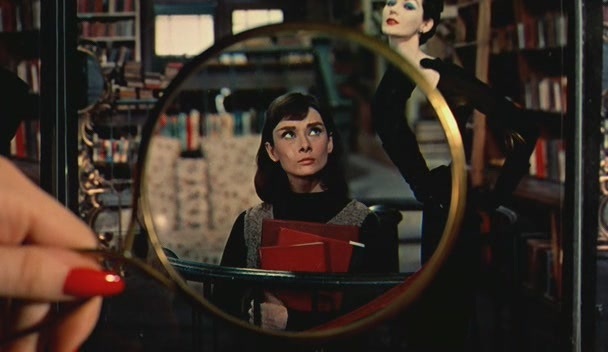
While that non-traditional perspective for that era surfaced, Audrey played the girl with the “funny face” which made her eternally iconic.
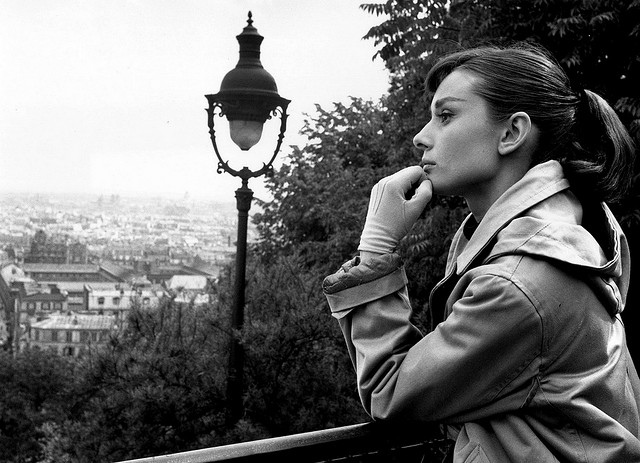
Under the flattering pink glow of Parisian city lights, a romance with fashion and more so with the city itself flourishes.
It’s entertaining and lovely, classic and pure. Where the music fails to fit, Audrey’s class fulfills. Don’t miss this dip into Paris in the 50’s and catch all of its sights with the goddess of fashion. Audrey at the Eiffel Tower. Audrey fishing on the Seine. Audrey at the Louvre in that gorgeous red gown.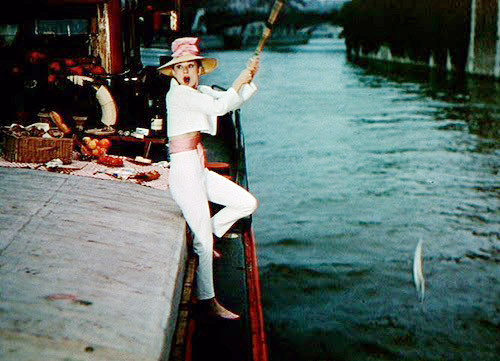 “I don’t want to stop I like it. Take the picture. Take the picture!”
What Audrey and her famous dancing counterpart lack in romantic chemistry they somehow make up for in breathy swooning endearing moments which turn out rather “swonderful” in the end.
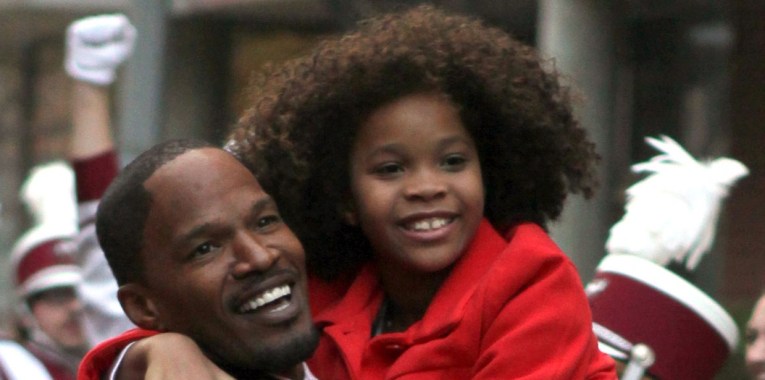
 Despite her hard-knock life, little Quvenzhane Wallis sees sunshine in every tomorrow.
Jamie Foxx woos audiences on each and every corner of NYC with his likable expressions and a voice like butter, but it’s Rose Byrne who knows she’s never fully dressed without a smile and helps charm little Annie into thinking she’s gonna like it here.
Cameron Diaz takes easy street as a surprisingly believable Ms. Hannigan, the evil caretaker for the all the little girls and former member of C+C Music Factory.
Maybe Annie will seize the opportunity to find her family, but most likely she will figure out that she doesn’t need anyone but you!
This remake was darling, vastly more entertaining and enjoyable than I ever expected it to be. 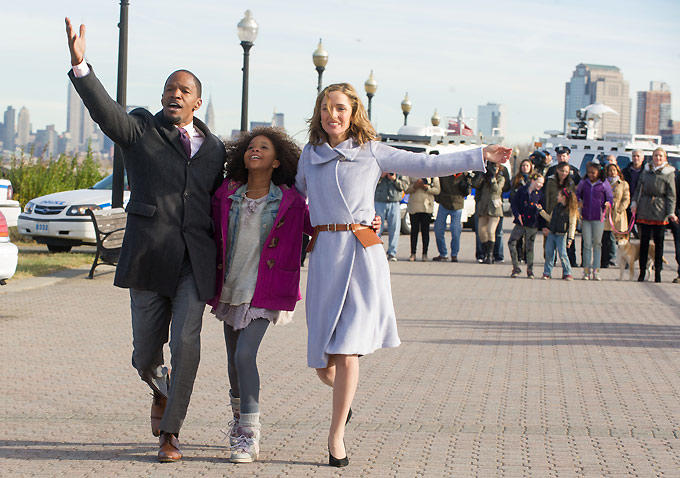

 I’m not sure why I felt slightly unprepared to see this film. I had seen the play. My friend Steve played one of the princes when we were in high school. It was so funny. The show is meant to be overdone and overly dramatic.
 This film did achieve that properly over-the-top flair with wild vaudevillian acting, hard singing, and full-blown costumes and effects.
There were, however, those elements that would make anyone agonize wondering how much longer it could possibly go on. It’s an operetta, meaning they sing almost every line and the songs rarely find resolve. So, it feels like one very long song. So, in that vein, I attempted to write new lyrics to the film’s soundtrack below, expressing my disgust at points and over all true feelings for this film:
It’s too dark.
It’s one long song.
The themes are pushed.
What themes are those?
The themes of love conflicting with independence;
The theme of wishing for dreams but dealing with consequences. From bloody toes, to moments with Johnny Depp.
They turned him from wolf… to zuit suited pedophile. He’s a zuit-suited pedofile.
Yes.
Then Emily Blunt.
She sings so well,
but who could believe she’s a pauper’s wife.
She’s baking and singing, the baker’s wife.
The one whose attractions, temptations could end her life.
But oh, Chris Pine, I’d fall hard too.
I’d fall for you.
I’d bake you a cake, be the baker’s wife,
if it wasn’t for Anna Kendrick.
The film was set on just one set.
I can see right now how they could afford the make-up alone for Meryl Streep.
In so many scenes and always the same,
Yes, but she’s Meryl Streep.
She’s a wunderkind.
Agony.

 Quotable quirk Glees it up retro style.
Perfunctory performances get shots of caffeine as iTunes goes 8Track and back again and young college students sing Hip Hop hits in the accapella bowl to win the proverbial Nationals title and trophy.
 Screenwriter, Kay Cannon, also writes for the show New Girl. She wrote for 30 Rock. She wrote Baby Mama. She’s in some pretty respected territory as a comedy writer. (Check out her imdb.com credits.)
I hope that she doesn’t take offense to my comparison, but I see Pitch Perfect as a Bring It On for a new generation. I am one of a million who an claim Facebook friendship with Jessica Bendinger, a model turned screenwriter and novelist. When I met her a little over a year ago, she discussed writing the original Bring It On. She wisely said that staying up-to-date on “teen-speak” is impossible, so she made it up. Yes, she coined the terms from the film that students began to use fluidly, thereby adding her cast to the lineage of linguistically shaping likes of Bill & Ted and Wayne & Garth. She directed a film called Stick It, bringing Jeff Bridges back into his new era of casting calls. She moved into tv writing for Sex & the City, and now she gets the odd call for the those random $10k meetings. She too stays busy.
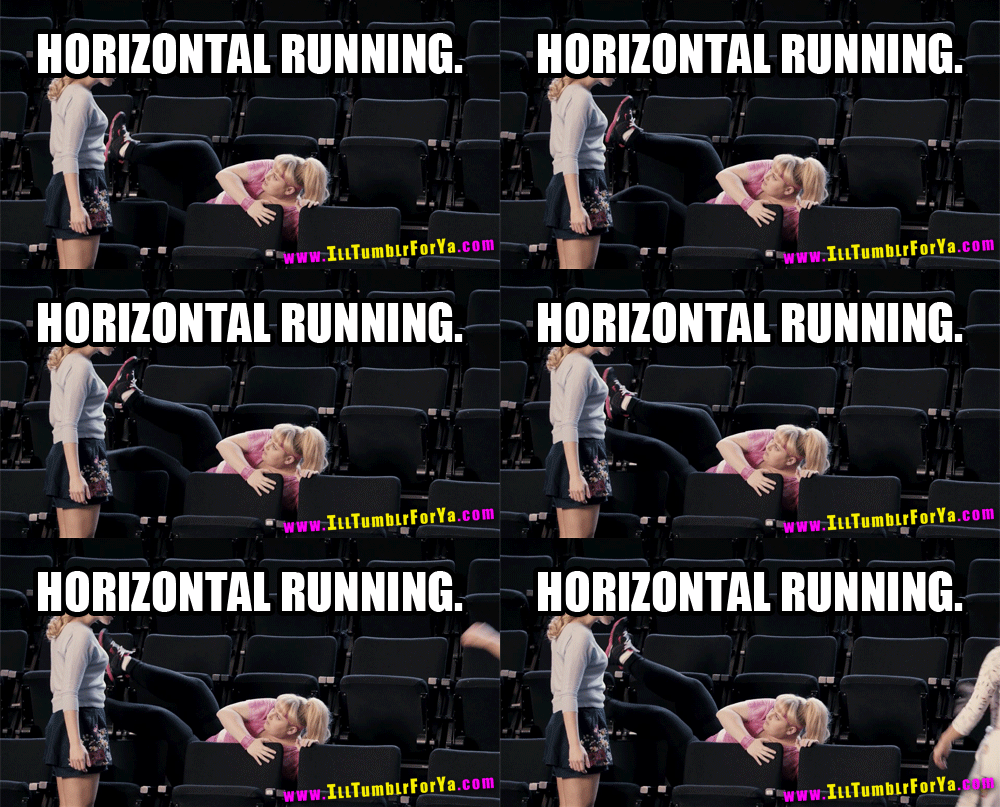
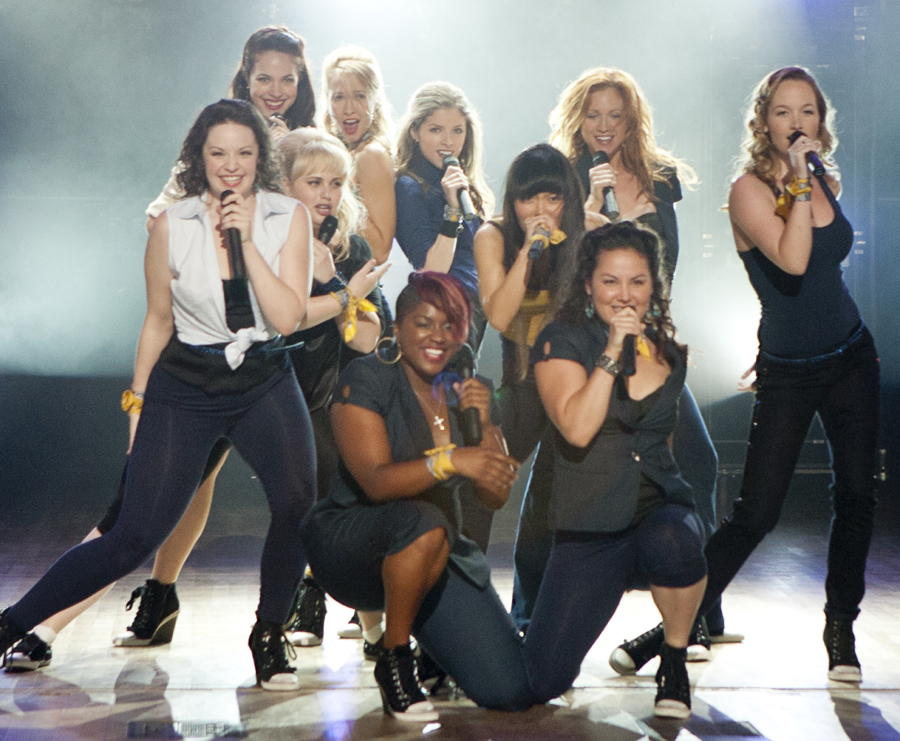 Pitch Perfect, written by Cannon, works the same magic for a new era of highly cynical, overly tech-stimulated youth. It gives them a moment to laugh at their generation’s penchant for karaoke tv shows like American Idol and The Voice. It’s full of crude humor and slap-stick pranks goaded on by the odd girthy-great loud and lazy Australian-born Rebel Wilson. What I liked about this film was that it makes fun of itself as it plays out. It isn’t trying to be more than quirky. It’s kitsch and that makes it kinda likable despite its expected level of locker room humor and language.
 Splatter: on FILM