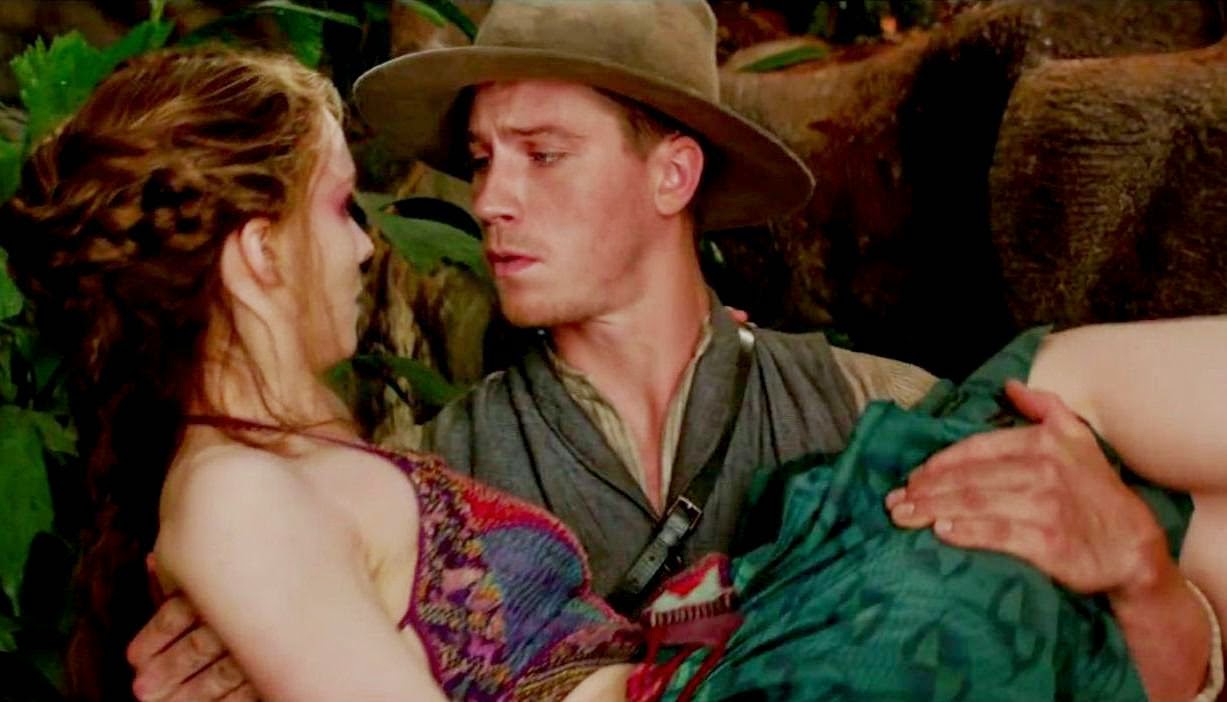
Joe Wright’s Pan is a kiss and a miss.
Wright gives all of his films a kiss of beauty, and Pan is no exception: it’s paint-on-screen from gorgeous London rooftops and cityscapes to starry night backdrops and Neverlandian sunrises unmatched. But then he missed…well a followable plot. It opens with an explanation in narration that this is a set up, a prequel, pre-Pan the backstory. Audiences most likely presupposed that this film would stray from the beloved J.M. Barrie novels, but not to this degree of confusion.
 Sadly, this one poses too many questions then fails to answer them. Is Pan the one? Who is good vs who is evil? Matrix and monomyth connections ensue, and it’s just too much. Too many cooks in the kitchen, as they say. Too many swirling ideas. Too many supernatural cards in play. Blake Snyder calls this “Double Mumbo Jumbo.”
  The storyline pours in in irreconcilable duos: grief over dead parents AND kidnapped by pirates, fear of heights AND space travel, belief in fairies AND eternal life.
In London, the boys battle BOTH the hard knock life of orphan-hood under a Trunchbull of a keeper AND World War II bombings. The Keeper has a special hatred for Peter, which is never explained, nor is her relationship with pirates when she suddenly summons them with her raised pirate flag. These themes of kidnapping, death, and slavery, as well as long scenes of violence make this film far too dark for its target audience: small children. It takes deep, pendulous swings from death and fear into pirate hijinks AND a quirky trampoline UFC fighting. Odd duos.
 Small Peter, played by Levi Miller, was lovely and vulnerable as a young Pan, but lacked the sass and strong will that Pan is known for. His deathly fear of heights was also a plot twists for the age-old flying Pan ideal. Sky pirate, Blackbeard, kidnaps slaves from around the world to work in the mines of Neverland hunting for the precious pixie rock dust, “Pixum.” We later assume, though it is unclear, that “Pixum” is both the key to flight AND long life. Pan leans on far too many assumptions. It plays like a hero journey outline with whole sections stolen from other films and some unfinished Polar Express-esque graphics spliced in. It’s basically Star Wars, but it made me want to go home and watch Hook with Robin Williams.
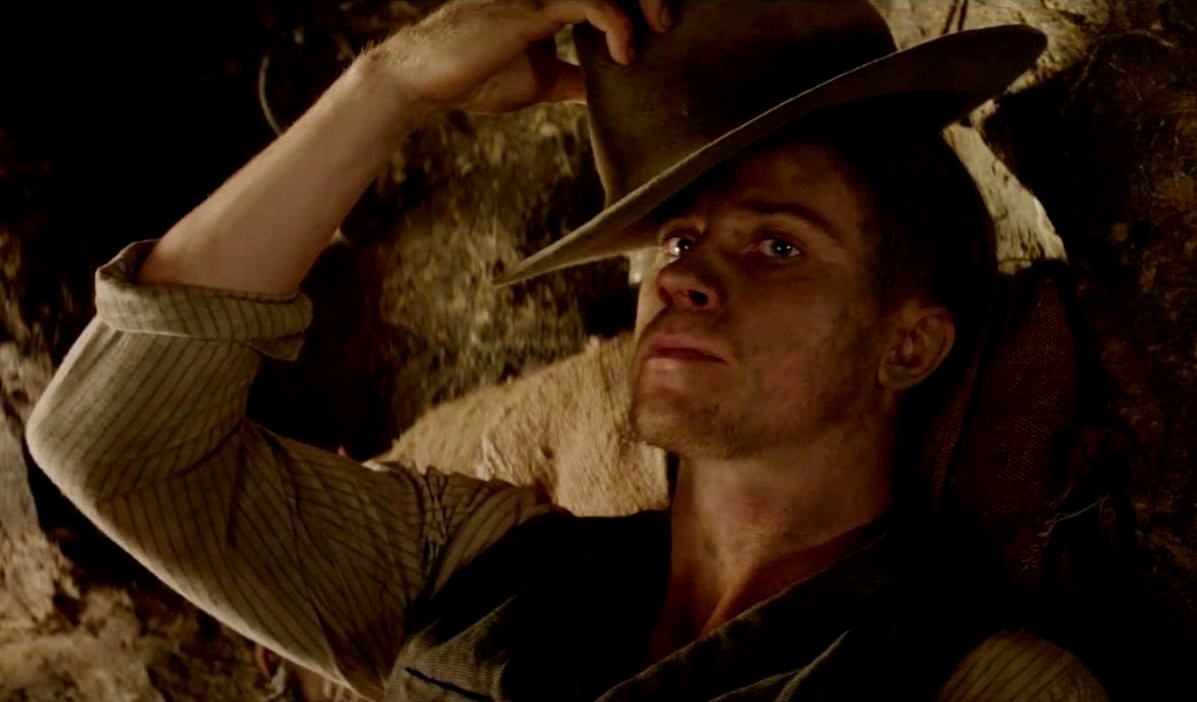 This Hook is a pretty good guy, Pan’s ally. Though cold and put-offish, (Garrett Hedlund’s hard cowboy pirate accent didn’t help…it was irksome at best), James Hook is also an anomaly as the only 20-something male model working the mines.
  He becomes Han Solo swooping in on his ship to rescue and woo princess Tiger Lily and save the day by helping the boy Pan meet his destiny. Huh?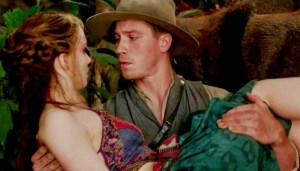
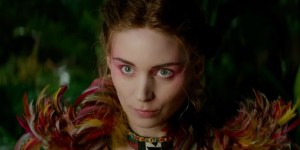 Tiger Lily is the Princess Leia type. She sassy and cause-driven. She can fight, and she bravely stands up against the man in black after watching him kill her family members. Despite the script, Rooney Mara almost saves this film as she underplays Tiger Lily bringing the only subtlety and therefore believable balance to a gentle Peter waiting to become the Pan.
 The “score” exemplifies the film’s bipolar trends. Classic orchestrated film score turns rock opera upon arrival in Neverland as the whole cavernous mountain area filled with mining boys and old men pirates sing Nirvanva’s “Smells like Teen Spirit.” Hugh Jackman makes his Blackbeard entrance singing “Here we are now, entertain us.”
  It all could have perhaps worked had this effort repeated itself like in A Knights Tale or in Moulin Rouge, or had they not gone to such lengths to set the film in WWII decades before Nirvana fans tripped similarly into their own Neverlands.
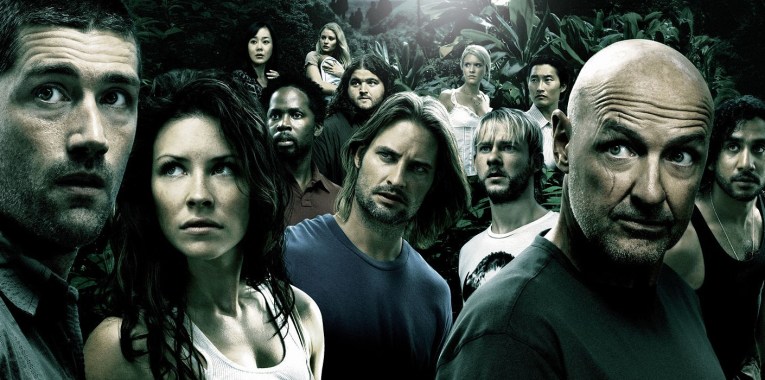


 There are essentially three camps of audience members: the Front Section that watched faithfully week-to-week, the Tail Section that petered off somewhere around mid-season two, and the Darmahites who binge watched on Netflix or dvd deeming it a “cool show” some years later, making LOST a true cult classic.
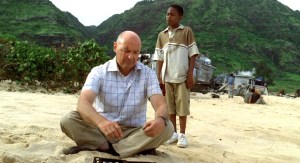 Despite the stats, the inevitable questions were posed by all three groups:
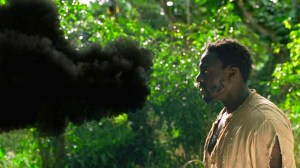 The answers are rarely given and are usually simpler than we care to believe. The show was genius. It played on just the right emotions. It drew us in from moment one with great characters and writing. We believed that there was hope, so we kept watching. Hope is a seed planted which sprouts action and blossoms in destiny.


 Paul Rudd delights audiences with comedic ease, promising character depth, and physical agility. He knows himself well by now and despite his crass comic tendencies, the director of Ant Man holds him back and allows the penchant for quick wit to help audiences settle in for a ride that’s basically a Honey I Shrunk revival for the Marvel generation.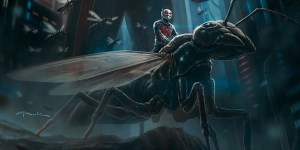


 Change can be difficult and jarring. Ever wonder why? Pixar let’s you eat popcorn as you tour the brain on a fascinating and emotional journey of self-discovery.



 Two broken people find themselves together behind the wheel as driving lessons parallel life on the road to healing. The process takes time. Each lesson trains the two to take risks but to watch carefully as they build an unlikely friendship. He forces her to continue on while her bravery in that forward movement shows him how to live. It is mutual though not at first. Brilliant, very real writing. Art and life can be a sad story, but perhaps this one will help someone who is going through similar traumas see through to cross the bridge of grief.
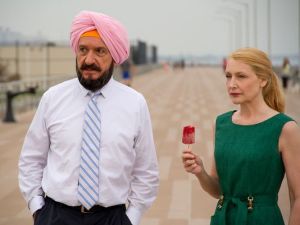 Patricia Clarkson is an incredible actress, one who can tell a story by showing not telling. Characters usually lie first. How are you? I’m fine. The truth is in the eyes. Her character is trying to piece her life back together while constantly starting over. Well meaning people ask with that tone if she’s going to be all right. The fact that they know to ask when she hasn’t told them anything is a new punishment. Each day a new ordeal. Each day forced to face another side of herself.
 Kingsley’s character, the gentleman protector, still runs from his past but lives out the prison-like punishment of loneliness and sorrow. He fears re-entering a world that daily rejects him.
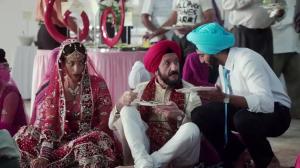 Rated R for language and sex, this film shows honestly the miserable struggle of ending a 30 year marriage. It also does not glaze over the hideous truths about racial discrimination still going on in America. This film refuses to accuse or blame. Instead, it show how our main characters have the potential within themselves to commit the same crimes of unfaithfulness and of prejudice committed against them. The potential is within all of us. We are all also capable of forgiveness and redemption. So, doing the hard work of choosing what is good and right despite temptation sets heroes apart from the villains in the end.

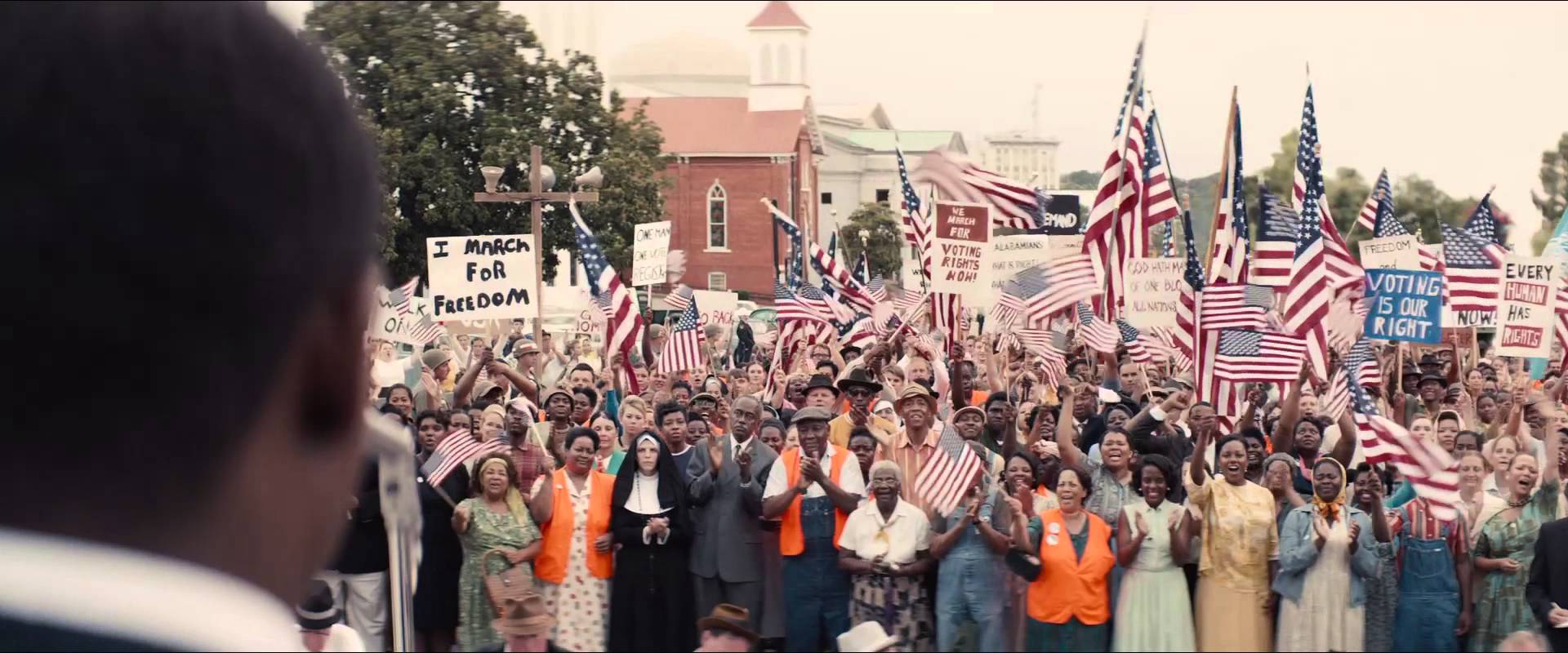
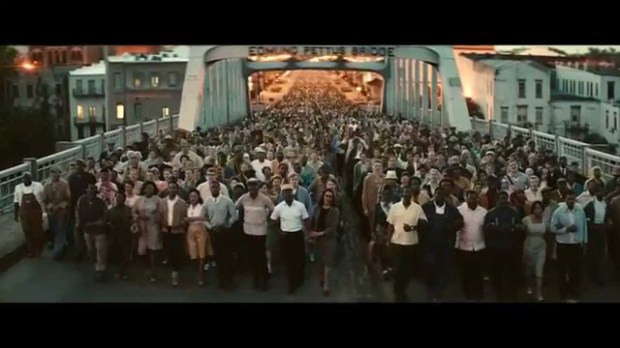
 This film is as much about guilt as it is about glory. Martin Luther King Jr, portrayed so beautifully by David Oyelowo, is a heart-heavy reverend burdened by the distant dream of true freedom. Even after laws are passed, people’s hearts must turn in order for the world to see change. This takes even longer that the breadlines of bureaucracy. Selma was the staging ground for the peaceful protests meant to catch the attention of all colors and encourage the mass to end the mob. It takes so much more kindness than we think it will, so many exhaustive examples of turning the other cheek before we know which side of the story to believe.
 My brother calls me a fighter. I don’t know, but it might have been tempting to join Malcolm X so long ago because it felt like results spurred on by action. What X could not see was that brutality has no timeline and once a fight, always a fight. King, however, was determined to win in the only way that actually buys freedom. He had to fight for peace with peace.
 This film, though somber and slow, a documentary pace, was still watchable, King and his comrades all likable. My only beef is that it oddly boasted real footage, actual phone conversations, word-for-word speeches for one side only. Even the typed timeline at the bottom of the screen follows only King. All of the scenes with the President, Alabama’s Governor, and any other government officials were off the record.
 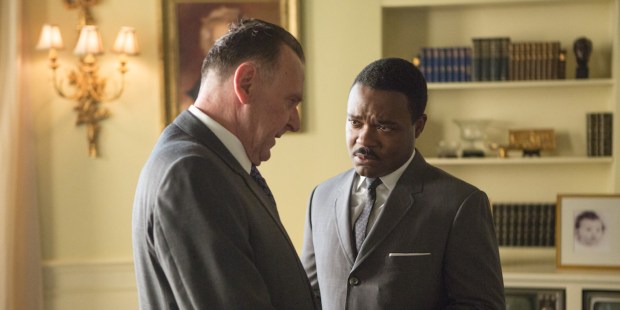 This singular perspective that worked so hard to prove one side sadly worked to discredit the whole story by omitting information. I wanted the whole truth. I watched for it like we would any villain’s backstory. Well written editorials must, at the very least, present both sides. But thank God almighty for bringing freedom at last after the decades of injustice.

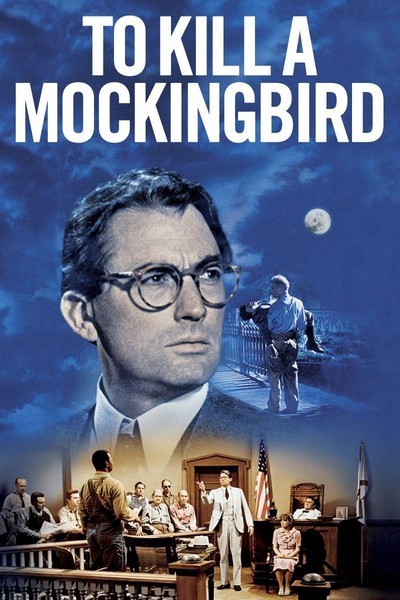
 I couldn’t believe the depth and youthful innocence that a young Robert Duvall gave his almost voiceless role of Boo Radley. Brilliant. And, I fell in love with Gregory Peck, who called Atticus his greatest role of all.
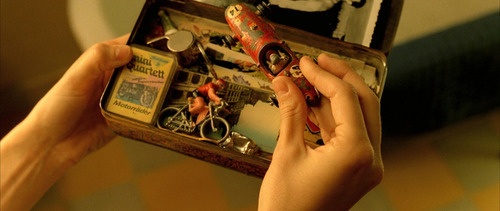
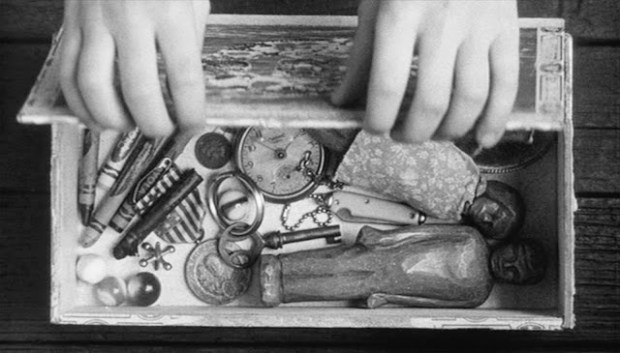 The opening sequence seems to show quintessential childhood – collections in a box, removed and replaced. Scenes from Amelie (2001) and The Fall (2006) echo as token tribute to this film’s classic opening.
  A child narrator can speak unfettered by adult inclinations toward between-the-lines political double-talk or gaged intentions. Scout tells it like it is. Innocence is allowed a voice that reminds the world to see people as only a child can and to care for all others unconditionally.
 Despite kid show channels’ certain and obvious attempts at making grown-ups, especially parents, look ridiculous, this story gives the child’s perspective but makes the father the hero. This badge he wears with honesty, care, some sense of failure, and deep love.
 In a parallel portrayal, the real mad dogs of the town come to commit acts of citizen justice before the courts have a chance to free a black man accused of raping a white woman. Atticus stands alone in moral courage against the growling crowd.
 Even as his Oscar fame faded to a distant echo, Peck remained a father figure to the little actress who played Scout. They always called each other by their character names, and kept in touch. Rare indeed.
 Even more rare were the events shaping American history at that time. Martin Luther King Jr. wore the heavy burden of speaking to the world on the same matters of civil importance as found in Lee’s book. King spoke of Atticus. King’s message was the same as that of Lee’s novel: living breathing human beings should all be given the same right to live and breathe. Timeless truth.



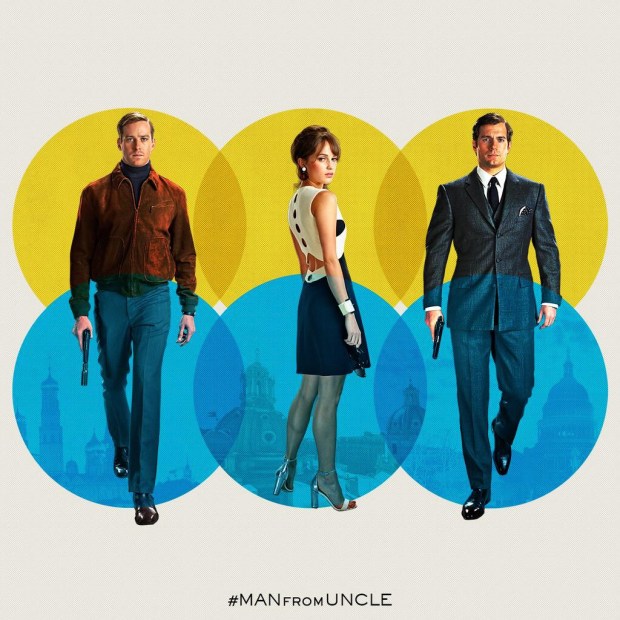
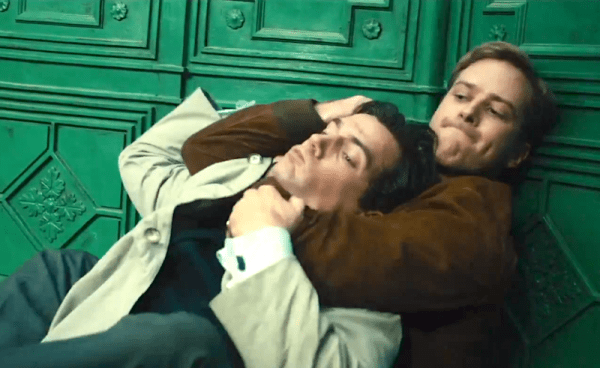
 UNCLE is not your typical Guy Ritchie piece. More Snatch than Sherlock, this tribute film could play like a two hour inside joke if you’ve never seen the hit 60’s show.
 Ritchie, known for his laid back, well-planned, tea-taking, collaborative directing form on set, offers that sensibility to audiences. The stress is gone, but the pace plays.
 No kiss and tell. No swearing. The sex and extreme violence is simply alluded to as something naughty going on in the next room. It’s the classic fluttering curtain. The audience takes tea and never has to worry, thanks to the family friendly rating. I’m grateful. Though a scene of almost nudity, a few holocaust photos, and constant action may not dissuade a family film night, the sheer duration might. It’s two, long but fun, very full one-note hours. So, action lovers will most likely approve.
 The soundtrack is a character, jumping into scenes like a welcome hero framing the chase, follow, rumble, and escape into a split-screen, real-time visual medley. Lovely.
 Alicia Vikander, is the appropriate third wheel on this trained tricycle. Baby-faced but believable, her chemistry with the team works.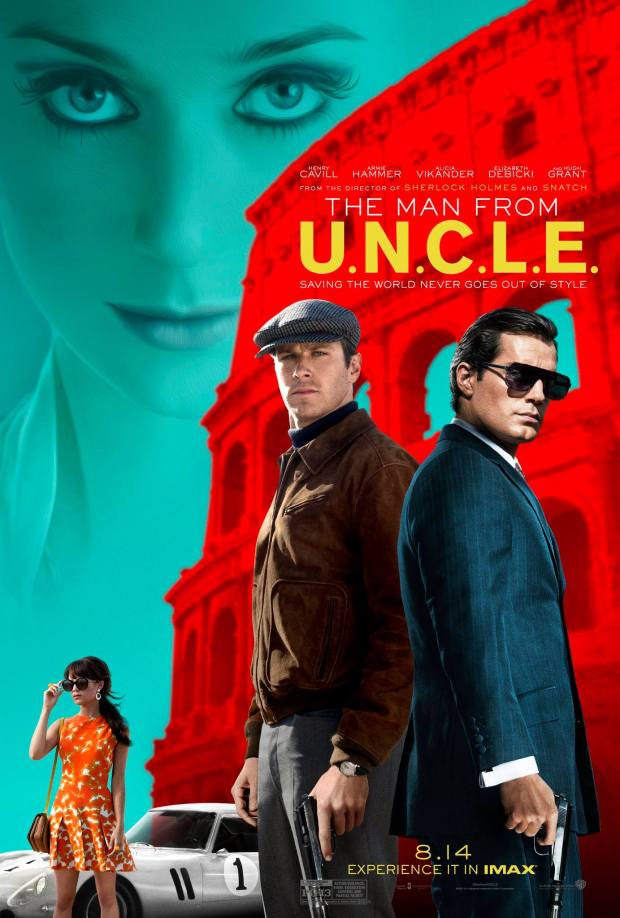




 Splatter: on FILM