
Subscribe to continue reading
Subscribe to get access to the rest of this post and other subscriber-only content.

My journey as a writer of screenplays, novels, poetry, and more. films as I see them. Enjoy!

Subscribe to get access to the rest of this post and other subscriber-only content.
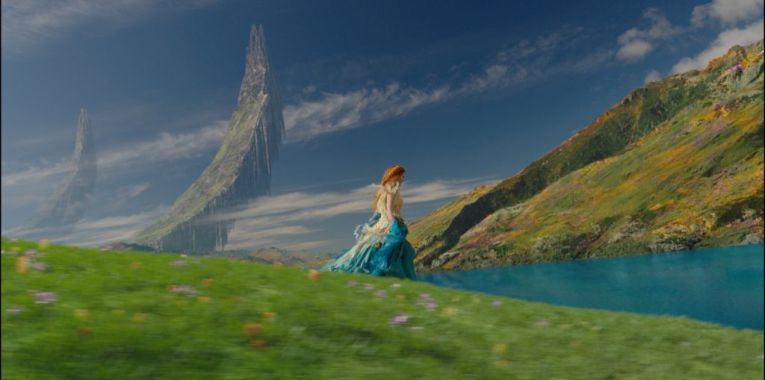
 I respect that Chris Pine brings his good game to a children’s film with as much resolve and intentionality as he does his more serious adult roles. There were moments of his Hell or High Water type performance even in Wrinkle. Pine’s face graces the screen enough to almost erase Mindy Kaling’s awkward line deliveries and boxy gowned running scenes over CG grassy knolls to meet Oprah and Reese Witherspoon, who both basically play themselves.
 The tone is playful, childlike. It’s like a Spy Kids mission to save the father who got lost in another dimension.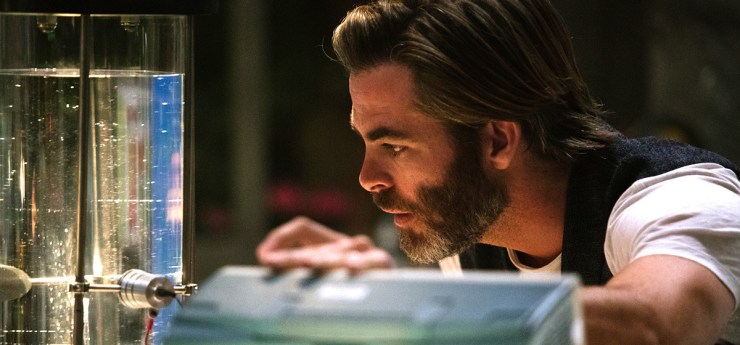
The costumes are stunning, bold, and bright like a Project Runway finale.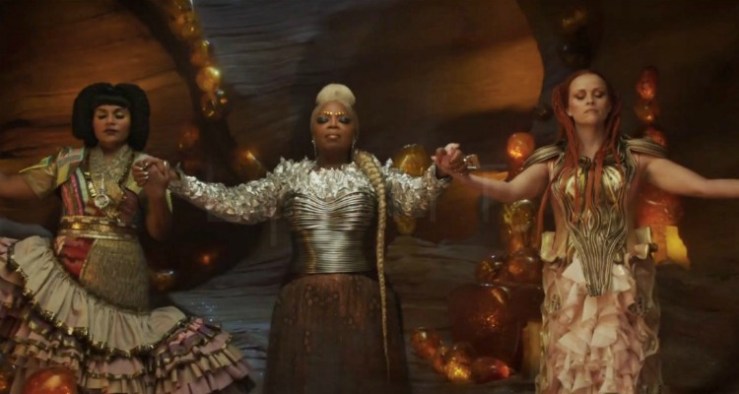 Storm Reid is the young actress who plays Meg. She is believable, vulnerable, lovely.
 This was my favorite novel growing up. I delighted over every one of Madeleine L’Engle’s paragraphs detailing the adventure with Meg the dreamer, meg the feeler, Meg the insecure but capable girl. School days felt odd and long then, and I longed for the stargazing rock where she would go to contemplate the universe and fixing its problems. Charles Wallace, precocious and kind, too often caught up in his own world, always supported his misfit sister.
 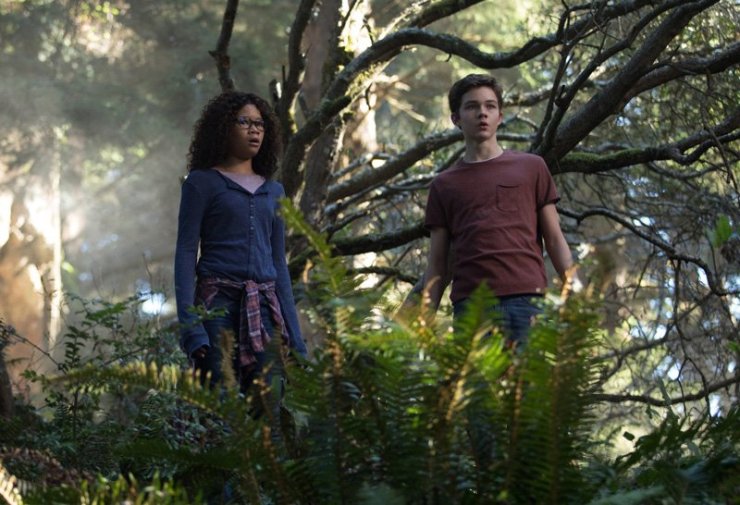 And Calvin the sad boy with a lion’s heart and more patience than most somehow joined in on the journey. In the book there is a flying horse – a pegasus, a stuttering witch woman or three (much like the Fates of Greek myth), a dog who understands, and a feverish fight against the It of darkness.
 Somehow sitting in the theater through this hour + music video with a plot felt like a counseling session as each character took a turn cupping Meg’s face to remind her, with tears in their eyes, to believe the truths about herself and to run from lies. You are special. You are valuable. You are wanted. You are smart. You are enough. You are loved. That feels like time well spent.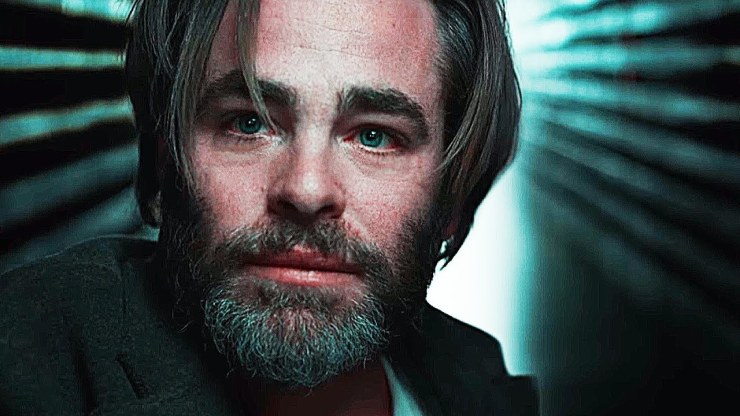

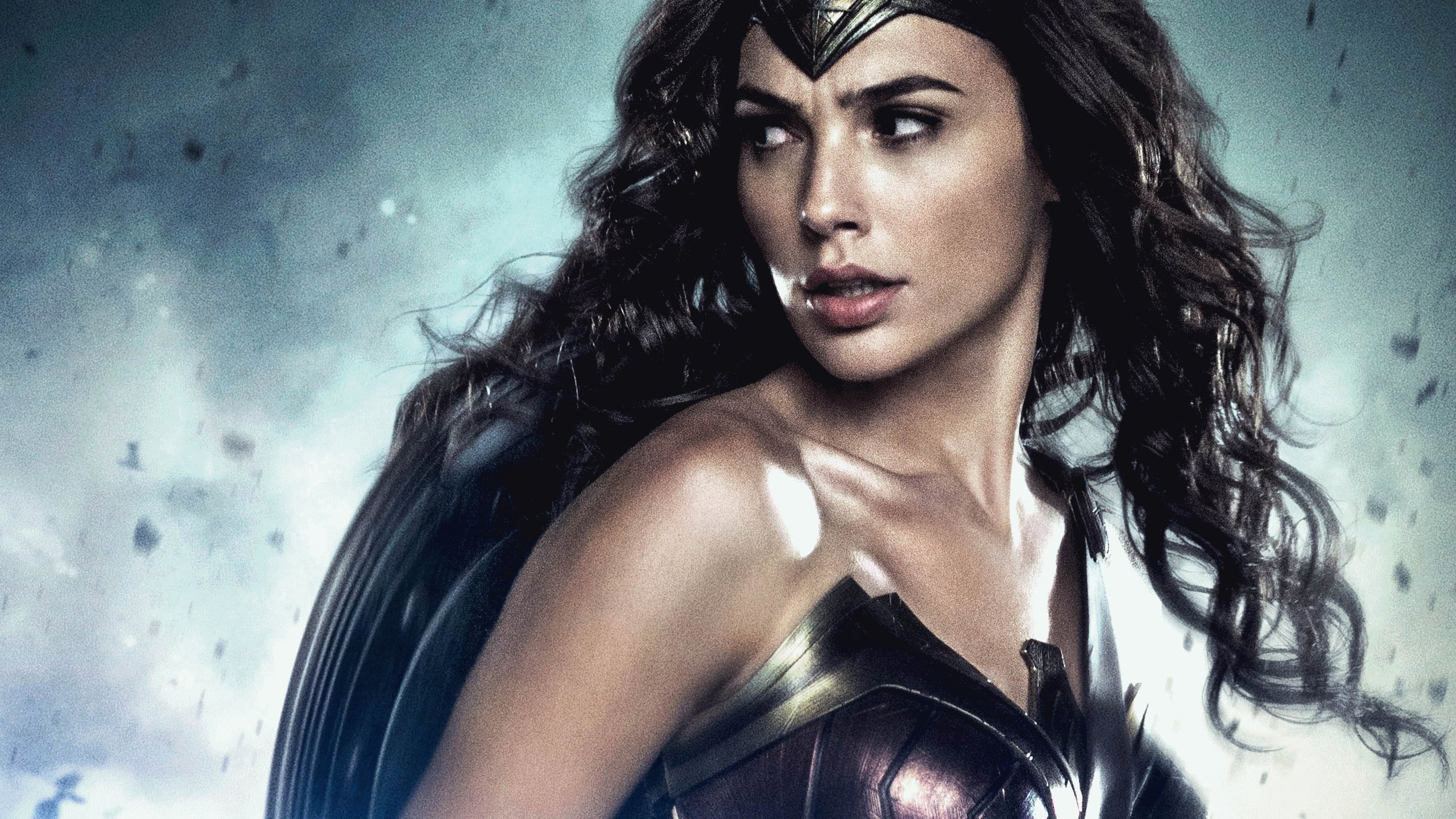
 Daughter of the gods, Diana, born of clay and hope, has a bleeding heart for humanity and a savior complex from the get-go.
  Needing a mission, she’s finally empowered to leave when the fight comes to her in the shape of the self-proclaimed “above average” Chris Pine.
 He’s a freedom fighter and a spy who inadvertently lands on the isle of Amazon women and finds a comrade at arms in Diana.
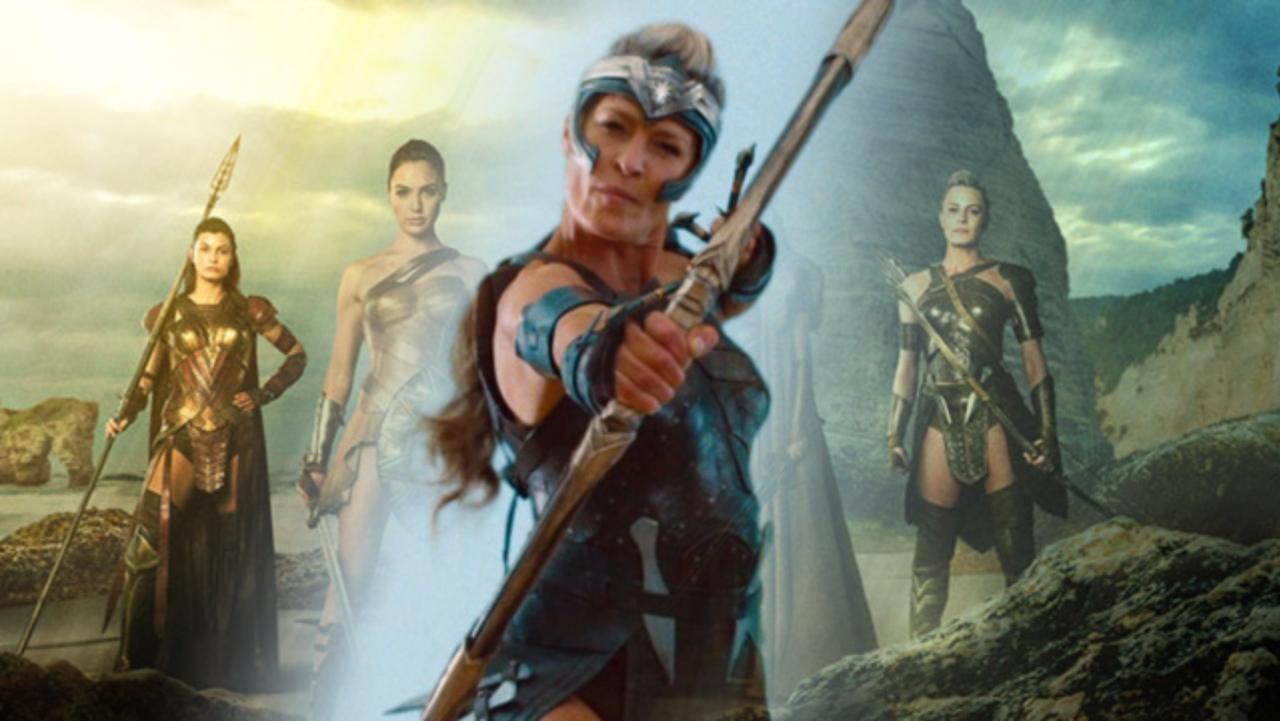
 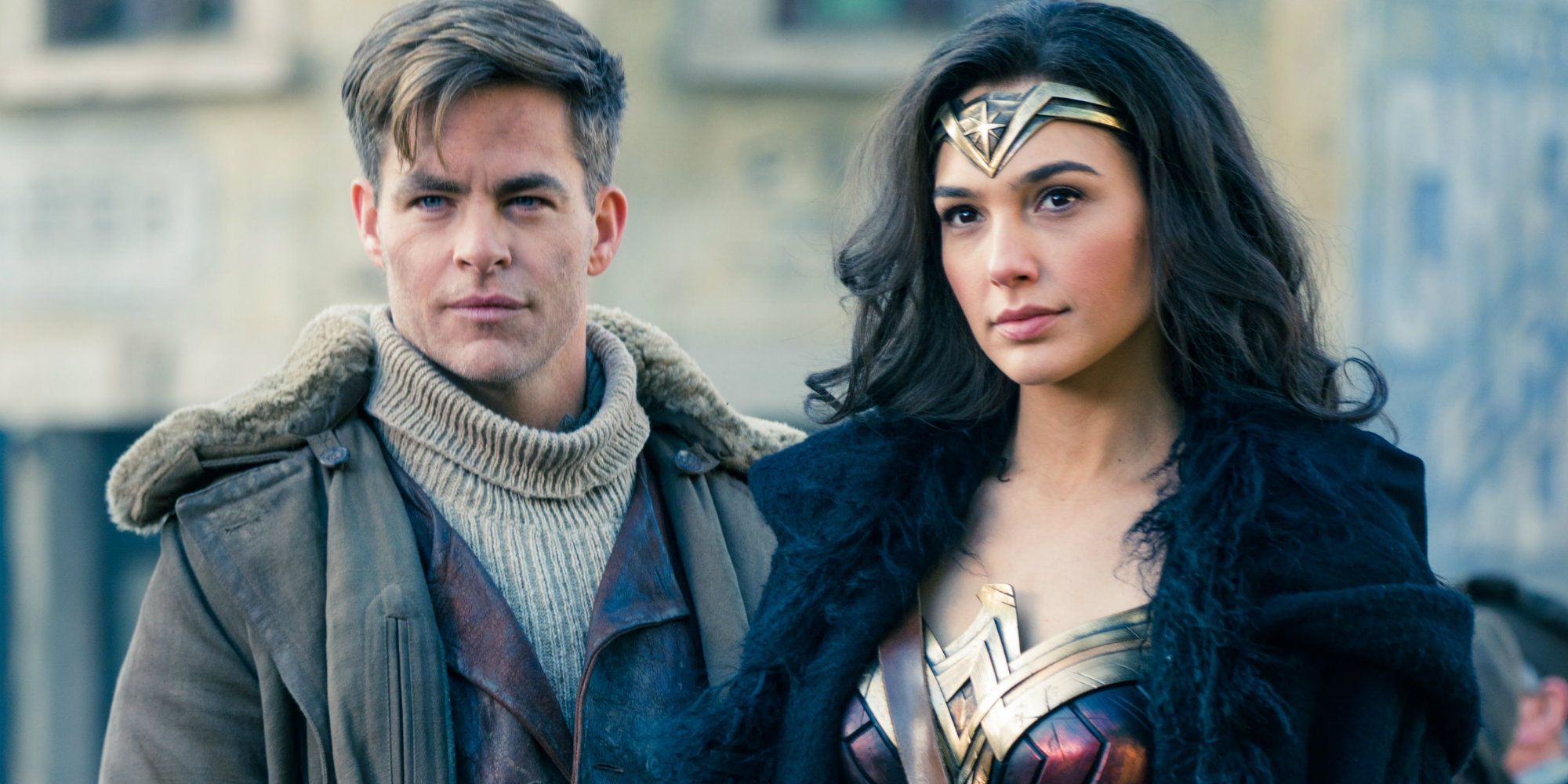 It’s beautifully filmed and acted with Robin Wright training young Gal Gadot for battles. Dialogue strains in scenes, but excellent actors make even the smallest of roles memorable.
 I believe DC will succeed in winning a broader audience with this film’s 13 rating, lighter nuanced tone, fresh-faced buzz, and killer action sequences. It’s a win.
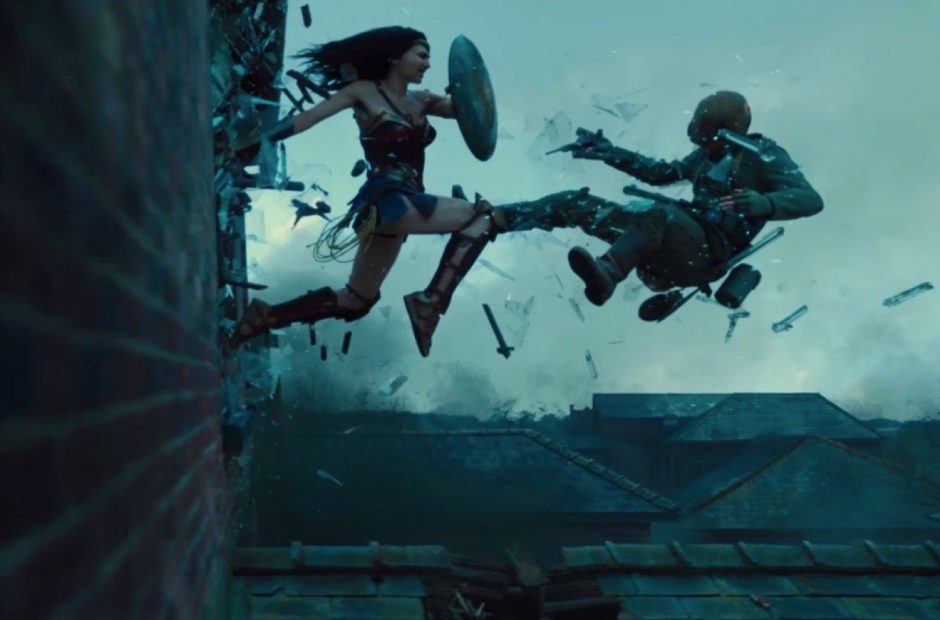 Each sequence makes sense. The pacing works. It’s fun from minute one. Yes, it is challenging to remove the feminist lens from a film that boasts girl power in the title, but the sensitive political elements were handled with grace and never lingered obtrusively.
  Gal is praised for her strength and character. Sure, Pine is eye candy, but also humor and humanity and heart…the perfect triad in a comic hero plot.
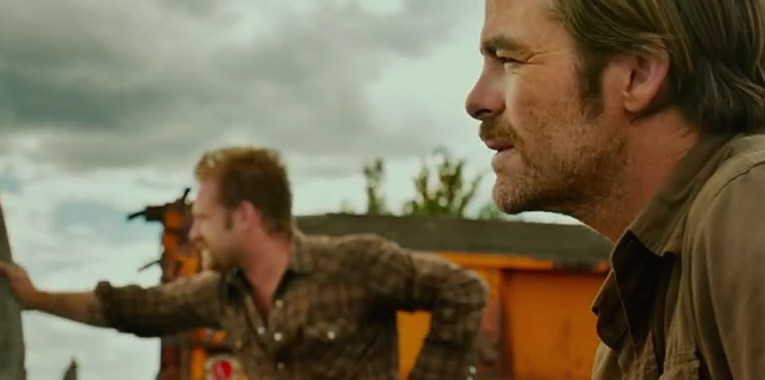
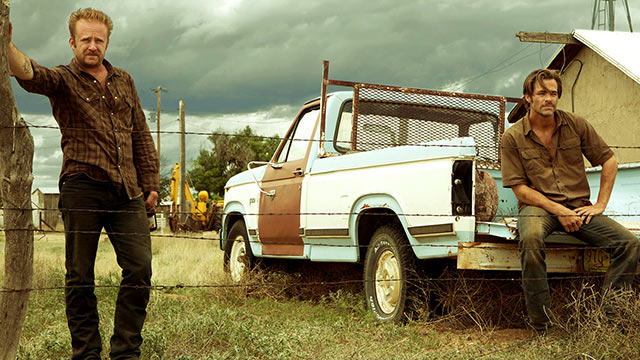 A pair of brothers on the backward road to financial freedom, they are Texan Robin Hoods of sorts. County badge-toting partners in pursuit oddly parallel in partnerships unmatched by most film duos.
 One brother (Ben Foster – genius in 3:10 to Yuma) is a regular outlaw, always running from trouble, always finding it. He knows he’s bad. He gives himself permission to lie and steal and gamble and cheat and run and kill and fight anyone he can. The other brother, (Chris Pine, showing here his true acting prowess) complex and tortured, fights but holds back, reluctantly moving forward with his plan. His plan. He’s the potentially pure, the wounded, the driven, yet it is his story.
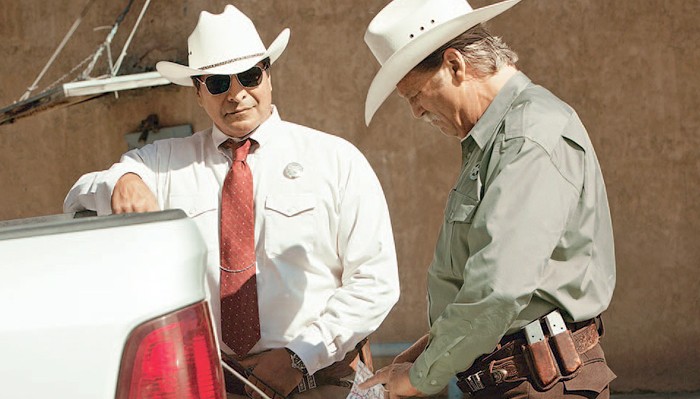
 The lead Marshall, played perfectly by Jeff Bridges, speaks his mind letting loose racial slurs and profanities, quick judgements and stereotypes. He is surprisingly savvy and astute as he tracks the boys committing the crimes. The partner patiently takes the brunt of the teasing. He is a Christian man, calm though disconcerted by endless jabs from his partner. He talks easily about retirement and afterlife since he knows where he is going.
 These characters rarely say what they mean in dialogue. It’s brilliant writing that stirs and directs a plot without relying on forced verbiage to drive it. Humans rarely say what they truly mean, why should characters?
It’s Bridges’s character who parallels Pine’s. Both brooding, restless, uncertain, distant. They seek companionship, friendship, and love without resolve. Both have lost and feel they cannot earn it back. Both will pursue it to the end, come hell or high water.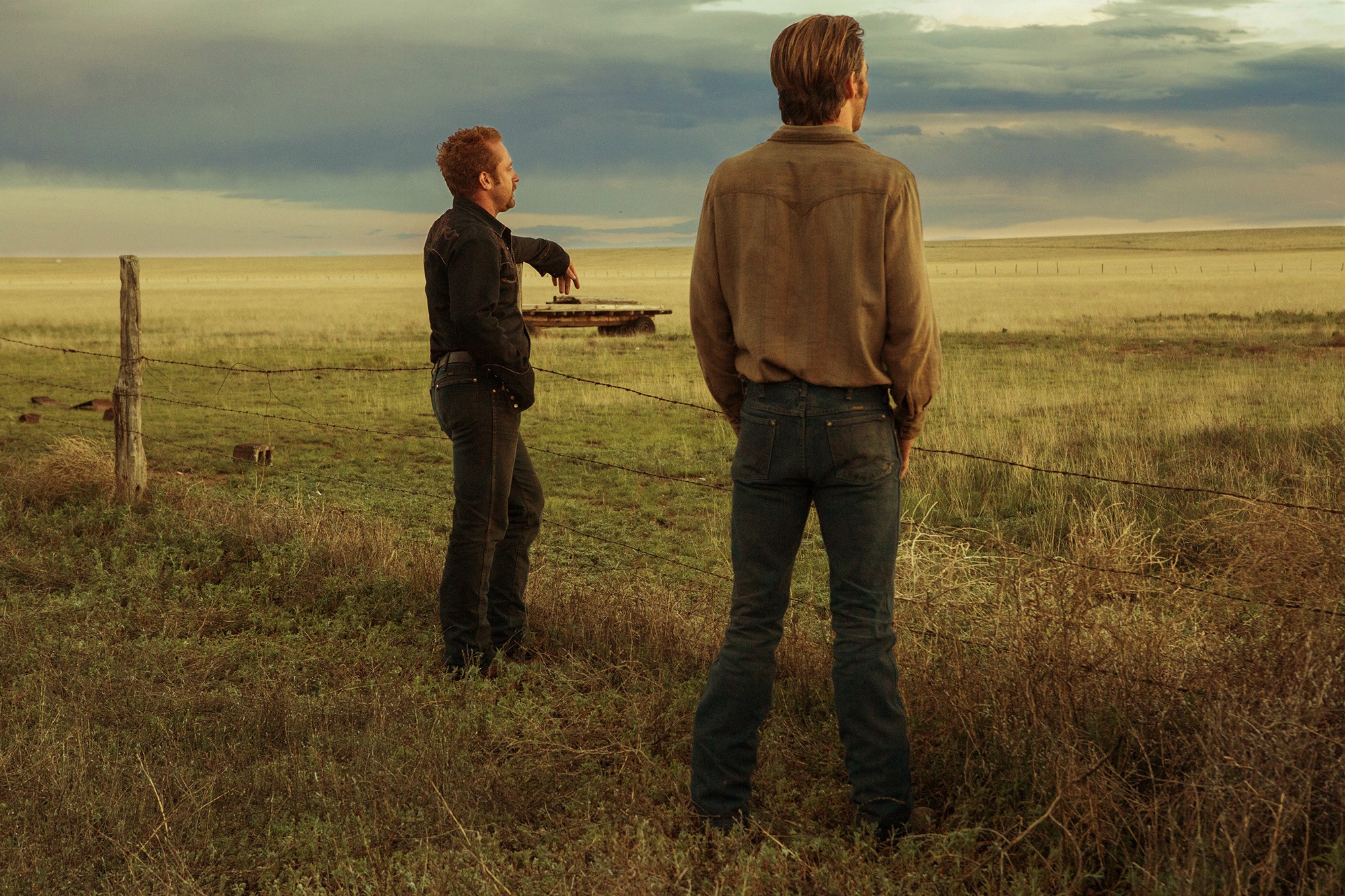
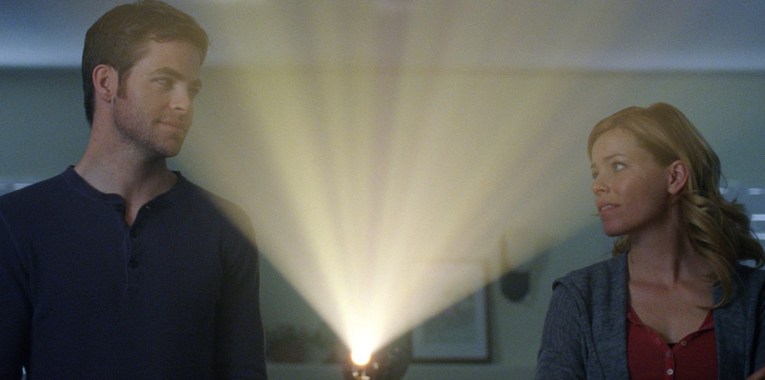
 People like Chris Pine made this film look good. Timing is his strong suit.
People like Michelle Pfeiffer have obviously not aged with joy. And people like Olivia Wilde struggle to look dowdy enough to play the bit-part girlfriend.
People Like Us is not a comedy. It’s a tragedy. Lack of plot leaves characters fishing through raucous emotions to offer terrible advice to the next generation, setting him up to live a plotless life fishing through the same raucous emotions…in other words, nothing happens.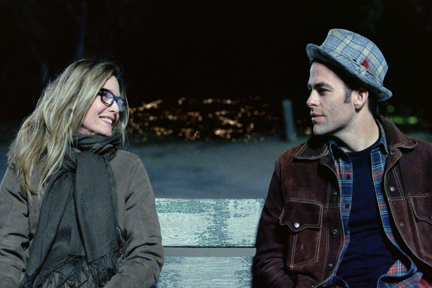
Tough to rely on even decent actors for an eventless film with only one honest scene (park bench at night) and a few cool looking Aronofsky-esqe shots.
 Splatter: on FILM