

Joe Wright has directed some of the most beautiful films I have been privileged to watch. In Pride and Prejudice, Anna Karenina, even Atonement (despite the story I wasn’t fond of), he captures moments and immortalizes them, choreographs whole sequences with the score, and creates large-scale spectacles.
My jaw dropped in this film when in a single scene we, the audience members, watch bird’s-eye from an aircraft the bombing of the French landscape as refugees flee, then that war-torn countryside somehow transposes becoming the face of a dead soldier. Unbelievable filmmaking. Sobering. Critical. Visually incomparable.
He never forgets his audience. He treats them to and allows them to witness intimate moments of curiosity, sorrow, grace. The Churchills as a couple, lunches with the King, arguments in the war room that changed the course of history, all of these plots offer a deeper understanding of the man in every frame. Churchill comes into power as England’s Prime Minister under duress. The country is already at war, and Parliament does not trust him. While they discuss whether or not they approve of Winston as a leader, he is leading a campaign against Hitler.
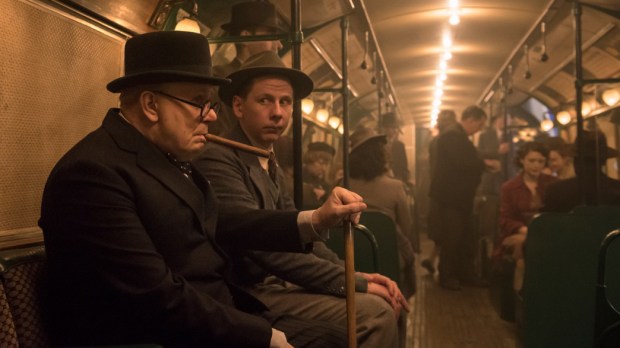 This film frames his first days in office in which he leads Project Dynamo as a secret rescue mission to bring home the British army stranded at Dunkirk. He knows that his next move could mean the fate of England itself, possibly even the world.
 I thought that I could only love Lithgow as Churchill now, but Gary Oldman brought him back to life brilliantly. His Churchill is gruff and humble, curmudgeon friend. Winston Churchill, so brave and confident, fought two battles at once. He knew what was at stake, and he had the foresight to fill his war cabinet with people who could and would disagree with him. He needed to win the people’s trust, and he was willing to earn it. He also did not tread lightly into war against the Nazi super-force, as was. His brilliant speeches resonated through Parliament halls, on radio announcements, and in his meetings with King George himself.
 Churchill also drank copiously, smoked cigars constantly, and loved the sound of his own voice. He would have been a bear of a man to live with, yet his wife adored him. She is the quiet heroine of this film. She supports, empowers, teases, challenges, calms, calls out, and desperately loves Winston. Behind this human with the weight of the world on his shoulders is the one person who encourages him daily. She is his rock.
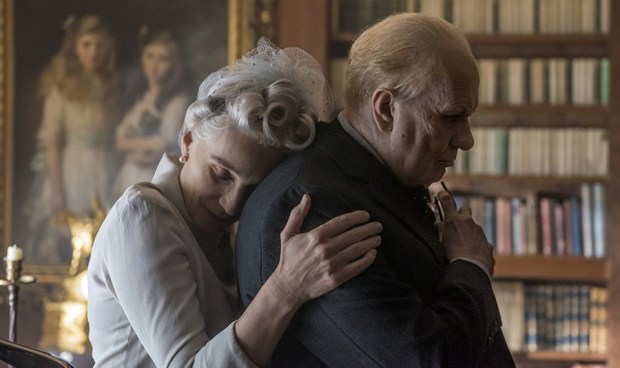 Wright wisely places a seemingly inconsequential character, a typist played by the lovely Lily James, into the closest of quarters with Winston. From the bathroom to the war room, she takes dictation, and the world shifts in those few days.
 Churchill has fascinated me for some time. A few years ago, I visited Blenheim Palace in England. Winston was born in the cloak room. He was not born into royal line or glamorous fame, but this vast estate now boasts his connection with the place. His childhood toy soldiers still stand in battle array under glass. I don’t understand it, but I cannot deny that he was a brilliant strategist. It seems that he was born envisioning war scenarios, playing Risk, knowing what it would mean to take on a threat like Hitler. It seems Churchill was perhaps born “for such a time as this.”

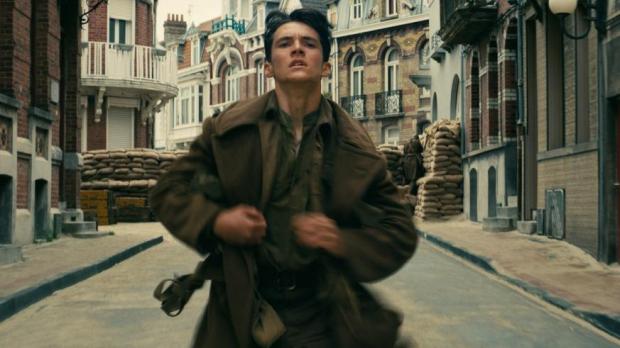

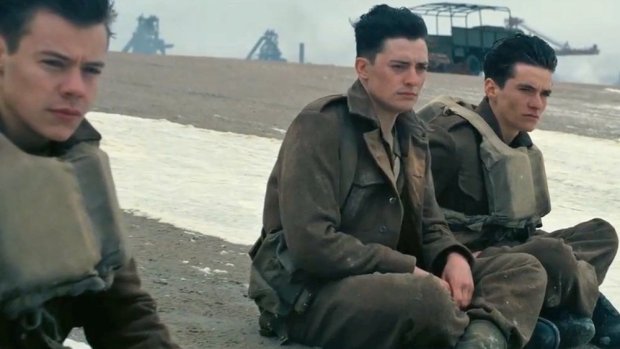
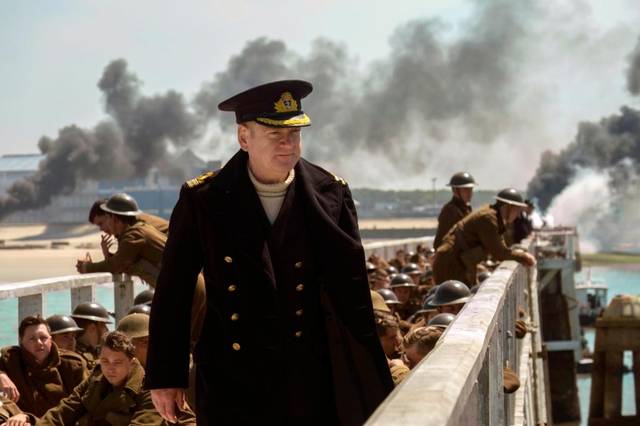
 We wind down the empty streets of the town of Dunkirk onto the terror-laden beaches following one young man. He’s too young. He’s unassuming. He’s fearful but bold. Waiting on a beach with 400,000 men, waiting for unpromised relief and rescue. It’s too early in the war for Churchill to relieve them. They are sitting ducks.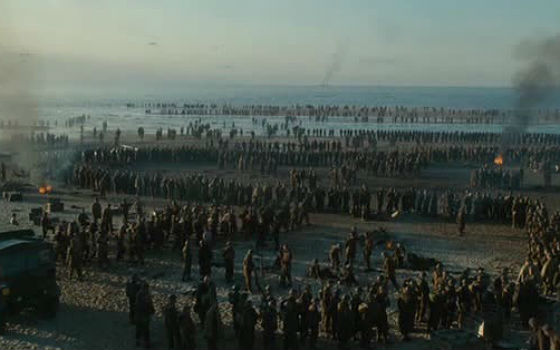

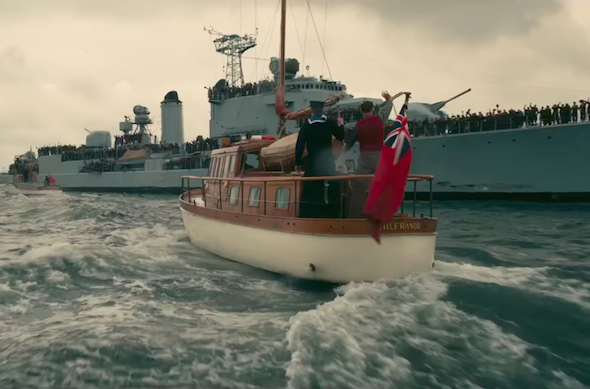
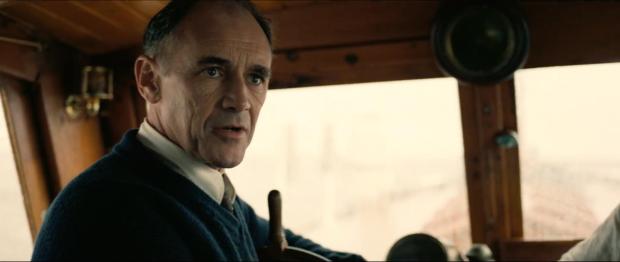
 Christopher Nolan offers the world a masterpiece in this thrice-told tale. Capturing practical effects on film, utilizing thousands of extras, a large fleet of actual boats from the event, and the first ever hand-held IMAX camera, Nolan recreated one of the most moving true stories from World War II.


 Splatter: on FILM