

 Steve Carell and Emma Stone go head to head in this film about conquering fears and pursuing obsessions. Both are praised for their wins, but both win at a cost.
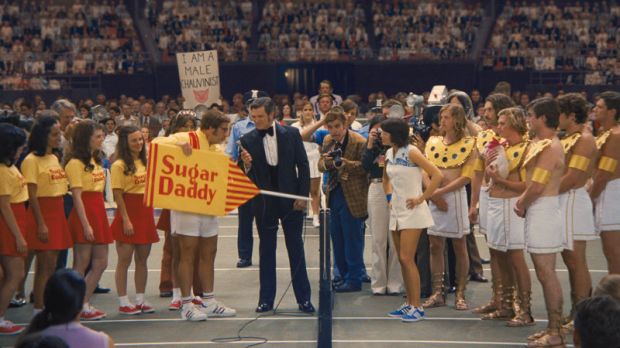 Stone plays Billie Jean King, pro tennis player who took on the known misogynist king of the courts Bobby Riggs, Carell.
 The centerpiece of this pastel tapestry of human experiences shows the dedication to a sport, body and soul. Then it outlines the match with glimpses at secret inner lives and choices that guide both down very different life paths.
 Billie Jean has an affair with her hairdresser and ends her marriage. Meanwhile, Bobby allows his gambling addiction to separate him from his wife and child – his sole place of refuge and sanity.Both players pursue what they admit to being temporary, unhealthy choices.
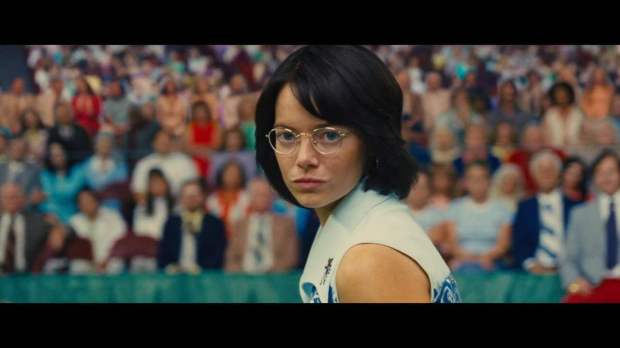 Both, despite wins and losses, obsess and fight and decompress in ways they know they shouldn’t and find themselves wallowing in shame.
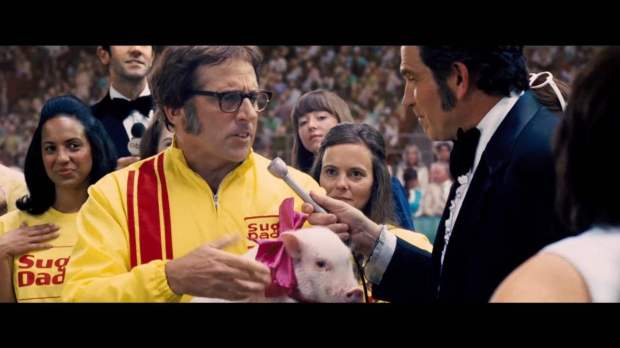 Riggs’ loudmouth, public persona is nothing like his true man at home.
Fortunately for these characters, they are deeply loved by people who refuse to give up on them even when offered the loser’s role of 2nd place. This may be the truth of the film. It’s not about the win or a loss for feminism. It’s a sad two hour story, beautifully told, that offers hope for all even after bad choices, and redemption if unconditional love is accepted.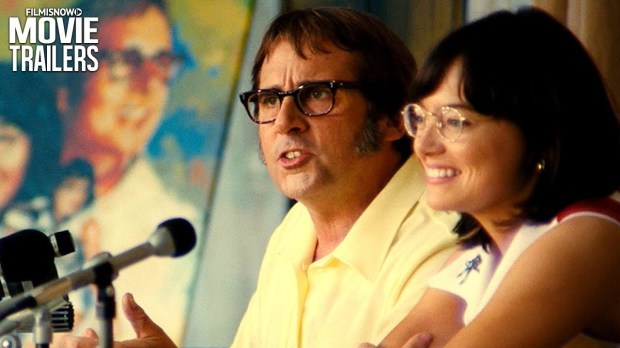

 Woody Allen offshoots from his recent run of sweet charming Paris-in-the-20s films and jumps into New York & LA in the 30s. Cafe Society, though beautiful frame-for-frame, is a diatribe, a tragic spiral into the depths of disappointment over past failures and Niche-esque psychological queries on the purposelessness of life.
 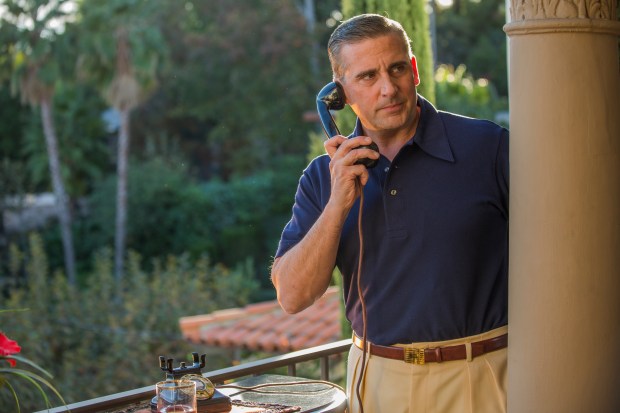 Steve Carell’s forefront character, remains abrupt and unfeeling throughout. Jesse Eisenberg is the perfect young Woody Allen replica with his despondent stammer and tragic tropes as he works to woo Kristen Stewart, still sullen post-Twilight. Blake Lively is barely there, a wisp in model pose for the few moments she walks on-screen. My favorites, Paul Schneider and Parker Posey, were sadly more like extras, mere furniture in the film, not fixtures.
  The true tragedy is, if this film had succeeded in producing even a single hopeful, likable character to root for, it would have been enough to redeem even the wooden performances of the least emotional actors in Hollywood.
 I’ll say: 3/10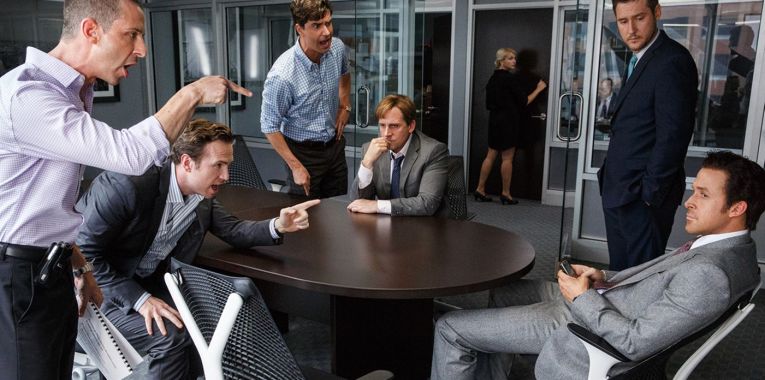

 Based on the true story that few truly understand well, this film offers consistent sidebars with laymen’s tips for digesting the basic inside scoop of heady Wall Street jargon. They make it palpable using Jenga games that represent mortgage company strategies, fish soup comparisons, bubble bath exposition, and famous cameos throughout.
 So, despite crass language and nudity, this is one incredible film. The brilliant script proves its worth every minute as dialogue rings true and exposition hides in plain sight below a universal and personal, visual story. Behind the truth, that in the end, being right and gaining obscene amounts of money can’t buy any of them what they really want: joy.
 Splatter: on FILM