Zellweger’s JUDY, like Portman’s Jackie, offers a brief look into her moments of highest tension in life. Judy Garland was America’s sweetheart for the whole of her short life, but never was she allowed to bask in the joy of being so. She was a puppet, a plaything for managers to exploit and audiences to admire. I grew up in a world that kept her ruby slippers under glass and sang along with her gleeful performances. Her life looked charmed and protected under lights and roses tossed from theater seats. This was the illusion. Off-stage versus on. Almost robotically, a switch flipped in front of an audience. The child actor poised, prodded, and pumped with narcotics became the showman. Addicted to audience and adrenaline as much as substances, she found no solace in the “normal” life she wished for. She loved her children but didn’t know how to shut off offstage. Renee Zellweger truly embodies Judy in her last year of life, her swaggered performances and pained relationships. Judy Garland’s life story is a sad testimony to the abusive underbelly of entertainment and the affect of falling for the fickle love of fans.
JACKIE Kennedy Onassis, fashion guru and lifestyle trendsetter influenced a nation with her quiet, proud posture of grace. Yet she endured what few could have, holding her murdered husband as he died and the million griefs that that sudden shock brought to her family, her situation, and her name in the days and years following – all under daily public scrutiny. She suffered silently even before he died. In many ways, her struggle is underplayed in historical accounts. We rarely think of the assassination from her perspective. This film offers insight expertly shown by Natalie Portman’s portrayal of Jackie’s aimless pacing of empty state rooms, her endless dress and undress. This also sets audiences up for the fateful day when she chooses not to change out of her bloody pink suit until she is finally alone to grieve. The film follows two interviews in tandem, one with a reporter and one with a priest. One a decision, the other a confession. One in staunch stance, holding demure position and poise, refusing to sensationalize. The other emotionally asking how God could allow her every level of suffering. After JFK’s death, Jackie chose to honor her husband’s memory and position by leading the country in grief as she did in fashion. When anyone dies, we unconsciously customize their memory. We eulogize their beauties, skills, and strengths, remembering them for all of their best qualities. Despite their flaws in life, we glorify them in death.Jackie orchestrated a hero’s send off in favor of patriotic symbolism and in so doing, strengthened a country. Her dignity set the tone for the whole world to grieve. This film shows her internal tension and culminates as she explains the line from her husband’s favorite play, “for one shining moment, there was a Camelot.” Bio pics run the Oscar syndicate, two favorites are: JACKIE (2016) & JUDY (2019). (Stay tuned for Judy review!) Unsung and yet beloved, the reputations of both of these two icons remain somehow untarnished despite the tragedy, conspiracy, intrigue, and raw reality of their stories.
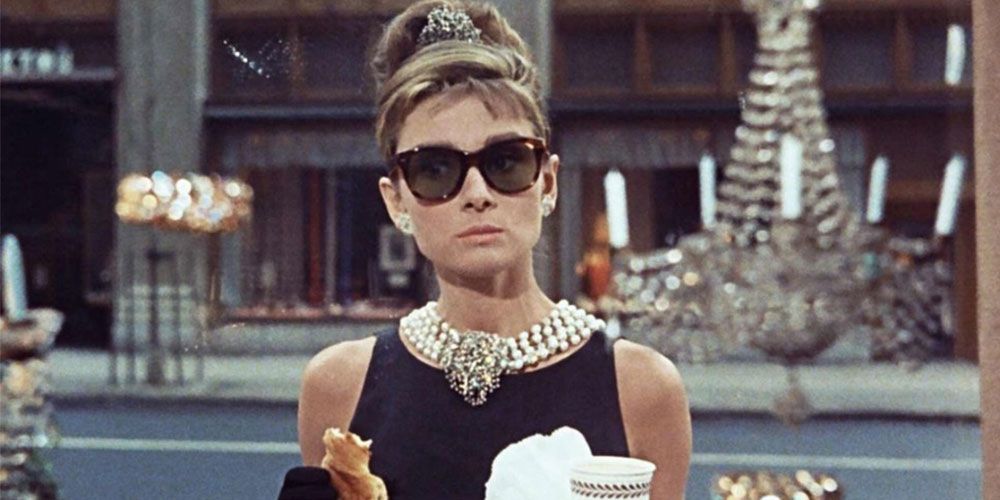
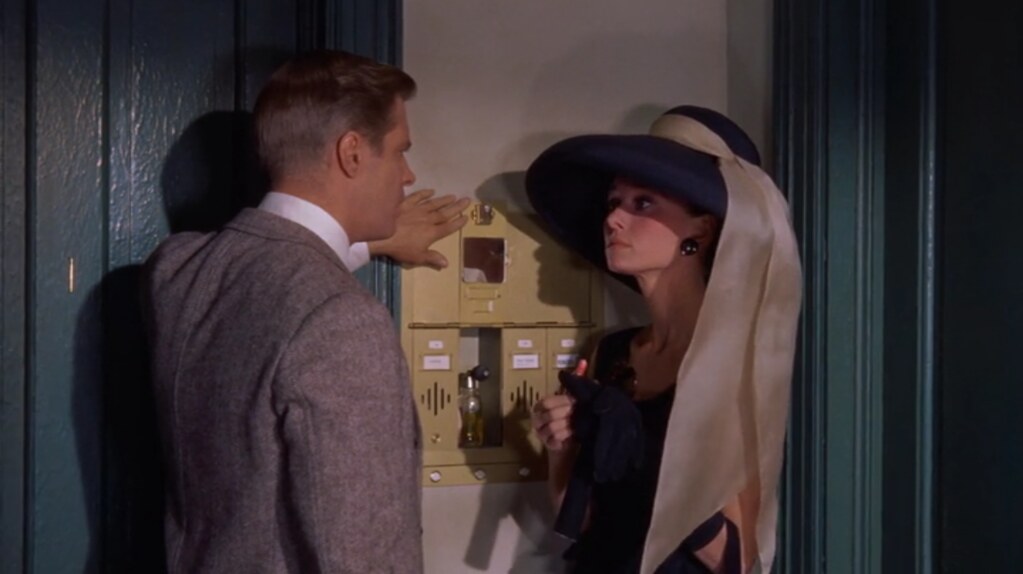
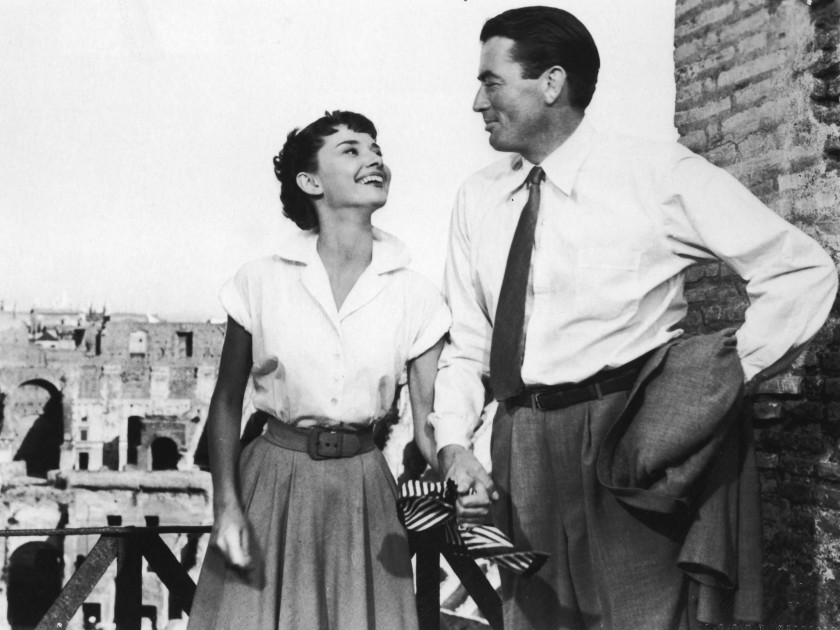
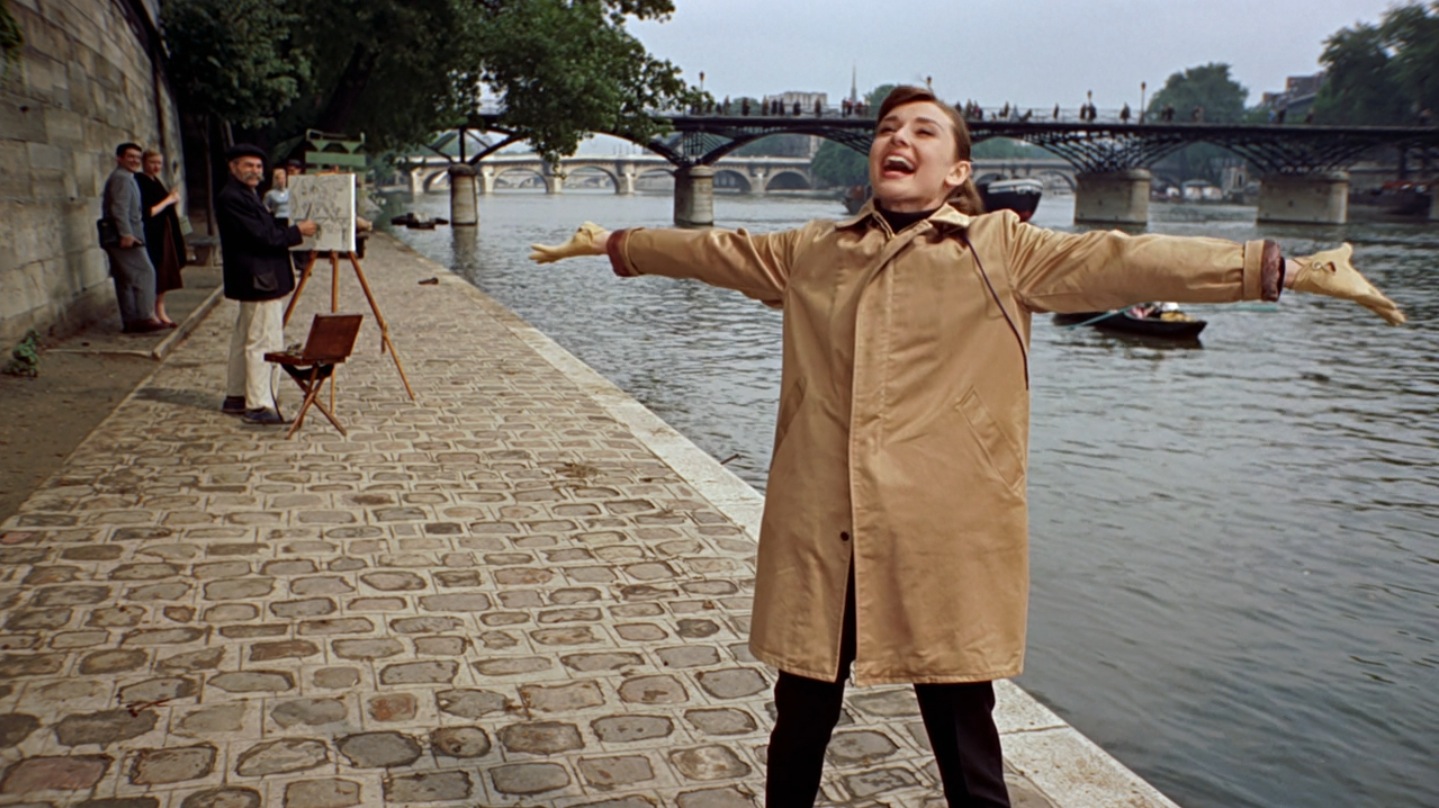
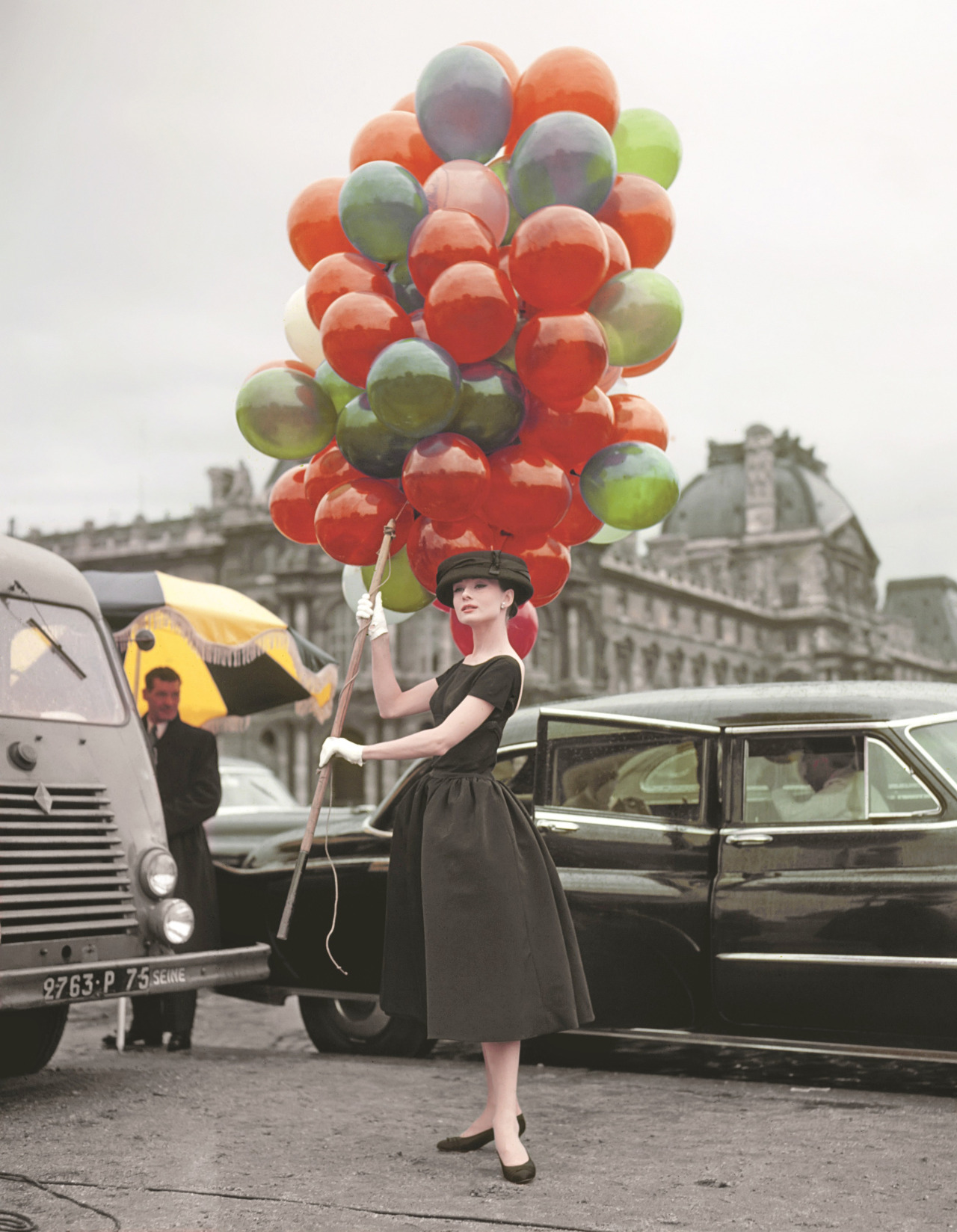
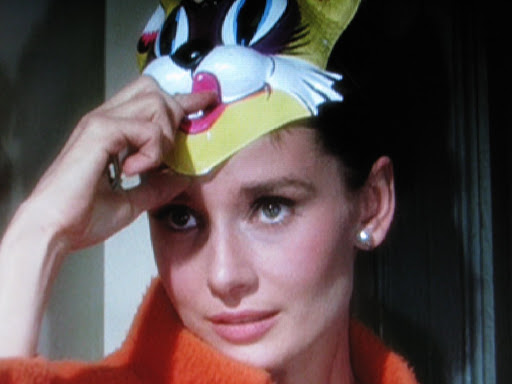
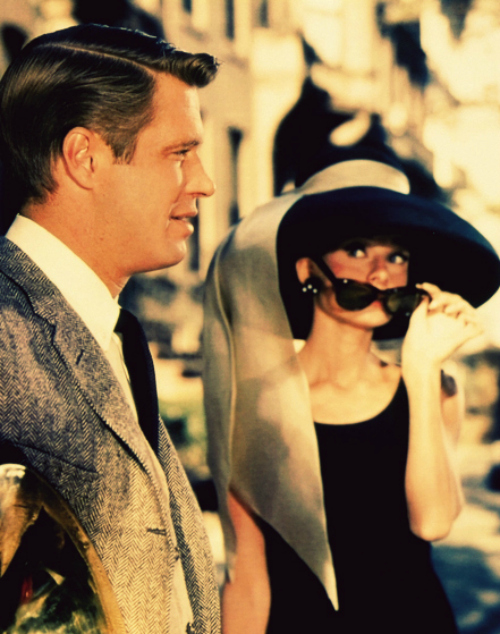
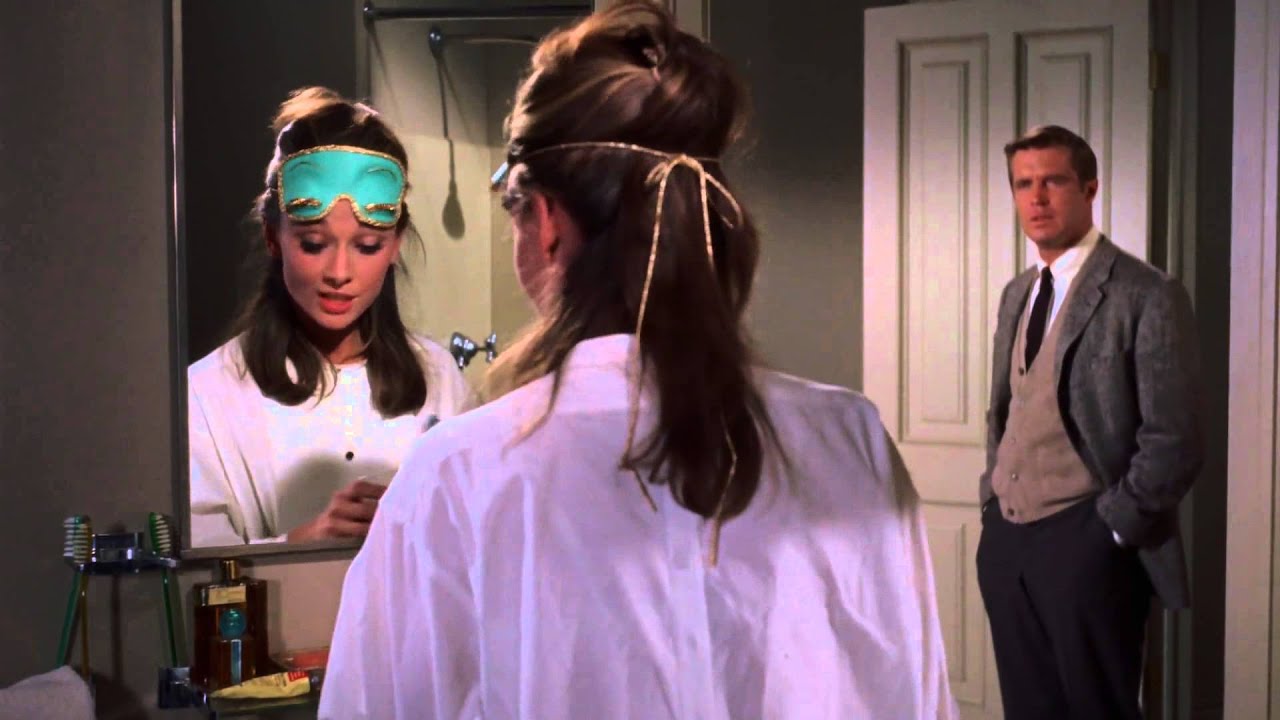
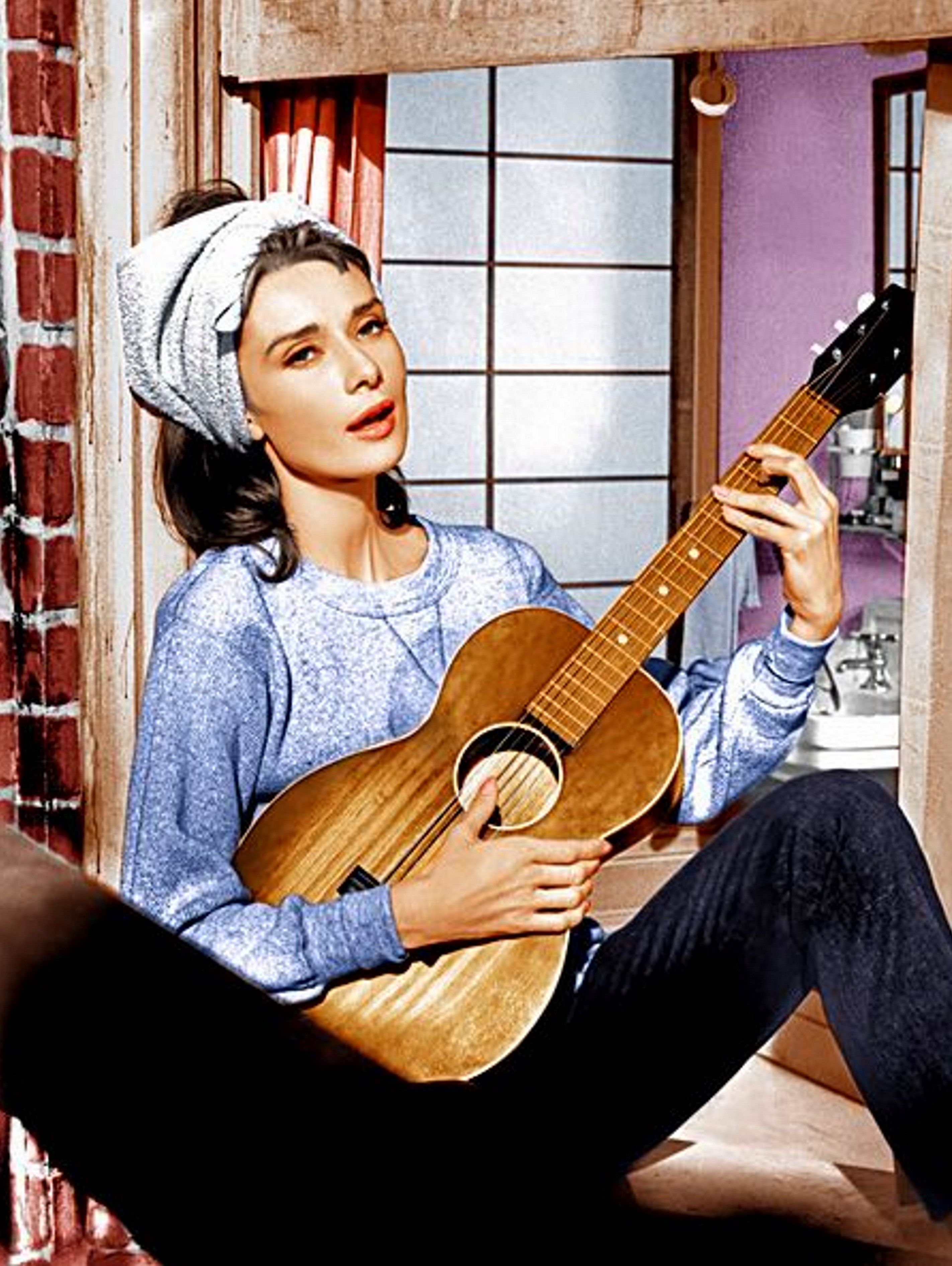
Audrey had a way with people. She wooed them. She still does. So many of her films are almost travel-bios advertising the towns they tour – each city becoming a character of sorts in the film.Roman Holiday (1953) sweeps her up into Gregory Peck’s arms for a guided tour of Rome offering an overworked Princess a rare holiday for a day.In Funny Face (1957), Audrey tours Paris and transforms from bookish to bombshell. Bonjour Pari!Breakfast at Tiffany’s catches cabs all around NYC with George Peppard. Their iconic day of firsts is a perfect city glance. Set in the well-sauced sixties, the story surrounds the nightlife loving New York model escort who befriends the young and beautiful writer George Peppard, who has similar secrets of his own.Despite Mickey Rooney’s unfortunately racist caricature, much of this film still holds up. It’s a Pretty Woman story of sorts, in which Audrey Hepburn gets to play against type as Holly Golightly. No longer the little girl, wistful and tender hopping about Rome, this role created by author Truman Capote is much darker: a girl, full of sorrow, running from her past. The mask she wears just happens to have thick fake lashes and a perfect wardrobe dripping with tasteful jewels.Honest and safe in each other’s presence, the two main characters grow more comfortable together and slowly more cognizant the fact that to true love requires vulnerability, dependence, and exclusivity – all of the relational holds she’s been running from her whole life.She shows him her Sunday afternoon side, singing on the fire escapes and feeding the cat. Henry Mancini wrote the famous song “Moon River” for this film. Studios weren’t going to let Audrey sing it because of her whispey vocals, but Mancini stood up and said if she didn’t sing it they wouldn’t get to use it.Peppard quickly becomes the one man in New York who is privy to her past as a young girl on the farm, married off to a widow at fourteen. She seeks freedom in the Big Apple but finds only a new sort of slavery. She calls herself a wild thing who can’t be held down. She won’t even give the cat a name because he doesn’t really belong to her. To belong to somebody would give them power over her that she can’t allow – it hurts too much.Breakfast at Tiffany’s, now iconic in both fashion and film, is truly one of the saddest stories, but it teaches its audiences that to love is to allow someone else in, for better or worse, and that that can be beautiful.
It’s a Huck Finn story about two runaway renegades with a plan and their unlikely friendship. Zack Gottsagen, Shia LaBeouf, and Dakota Johnson star.Endearing and hopeful, this story will pick up up out of any desperate spot, baptize you on the southeastern shores, and walk you homeward toward new hope. That’s a lot to say for a little oddly named indie film about friends being family, but it’s true. This film is precious to me.
Tim Gunn & Heidi Klum revive a Prime version of Project Runway with higher stakes and harder challenges. Each is fighting for the million dollar prize. They also sell looks straight to Amazon after every show. They fight to become more accessible and yet more profitable. They aren’t designing clothing this time, they are inventing a brand. Each person in this challenge is already successfully designing and often running stores and selling clothes. This crew doesn’t spend their time whining and sewing. They have hired seamstresses for that. This group gets to design, shop, cut, and build – working toward the next big storefront and worldwide label. Rather than a single runway show at the very end, each episode ends with a show. Each episode of Cut seems to pack the punch of a final PR show. Heidi and Tim take time in each episode to explore the city they are filming in at the time: Paris, Tokyo, New York. They go on dates and flirt like mad. It’s saccharine to the rest of the show’s savory tone, so either a welcome reprieve or an odd indulgence.The judges are vicious in their commentary. But, like it’s predecessor, this show makes for addictive viewing since you know who you want to win and lose each week and have to wait to see who Makes the Cut.
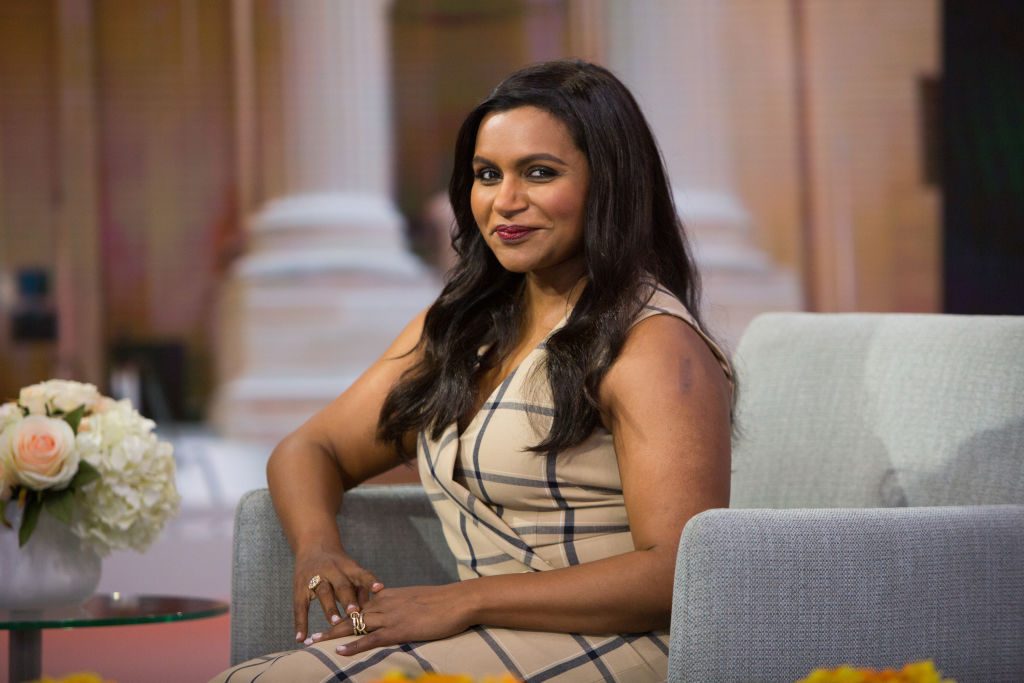
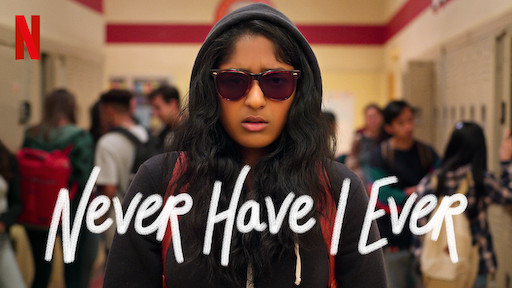
From “Office” writer Mindy Kaling comes the only level of drama most of us can handle right about now. It’s high school’s hilarious punch up starring a swash of underdogs who finally take the leads.One part Tina Fey’s Mean Girls pop plot meets two parts Freaks and Geeks nostalgia. Add the zest of some Bring It On-style iconic vocab and the full-speed-ahead dialogue almost Gilmore-pace (almost). Sprinkle a bit of High School Musical-esque cheese with the added touch of plenty of PG-13 dialogue (aka swearing and overt discussions about sex). Toss in heavy doses gorgeous cultural heritage. And you have the newest Netflix binge-worthy series. I laughed hard through it all, mostly because of the narration by John McEnroe and for a moment Andy Samburg.The lead, Maitreyi Ramakrishnan is excellent. Kaling proves that she can offer true heart through believable, triumphant, flawed characters in a well-paced story that feels kind of just right for right now.
This is it. If I have to choose a favorite film. I think this is it. Top 5 at least.
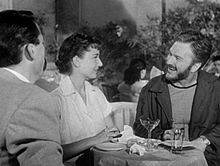
Audrey’s first starring role as the illustrious Princess Ann proved her perfect for the post in posture, eloquence, and manners. She was born to play a princess. In this story, her life takes a drastic turn the night her daunting schedule full of royal duties becomes too much for her and she decides to run away. Her rescuer is the soak-em-for-a-buck fast-talking journalist Gregory Peck. He knows who she is and decides to take advantage of the opportunity for an inside scoop. Their adventure around the city of Rome tours the best of all sites: the Trevi Fountain, gelato on the Spanish Steps, scootering past the Coliseum and Vatican City, a walk through the forum, a ride past the wall of memories, a boat dance in the evening, and best of all a trip to the “Mouth of Truth.” Watch for Audrey’s real reaction to Peck’s joke there. I’ve been to Rome, and other than the newer scooters and larger crowds it is all the same. Go. Visit Rome today via this film. Ride along with Joe and Anna, the one they call Smitty. Get to know the city with their good pal Irving the photographer. It is well worth the few hours away and the lessons you’ll learn about love and duty will always haunt you.
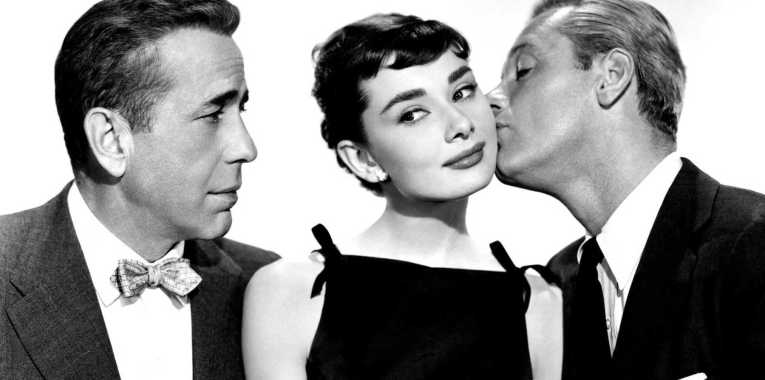
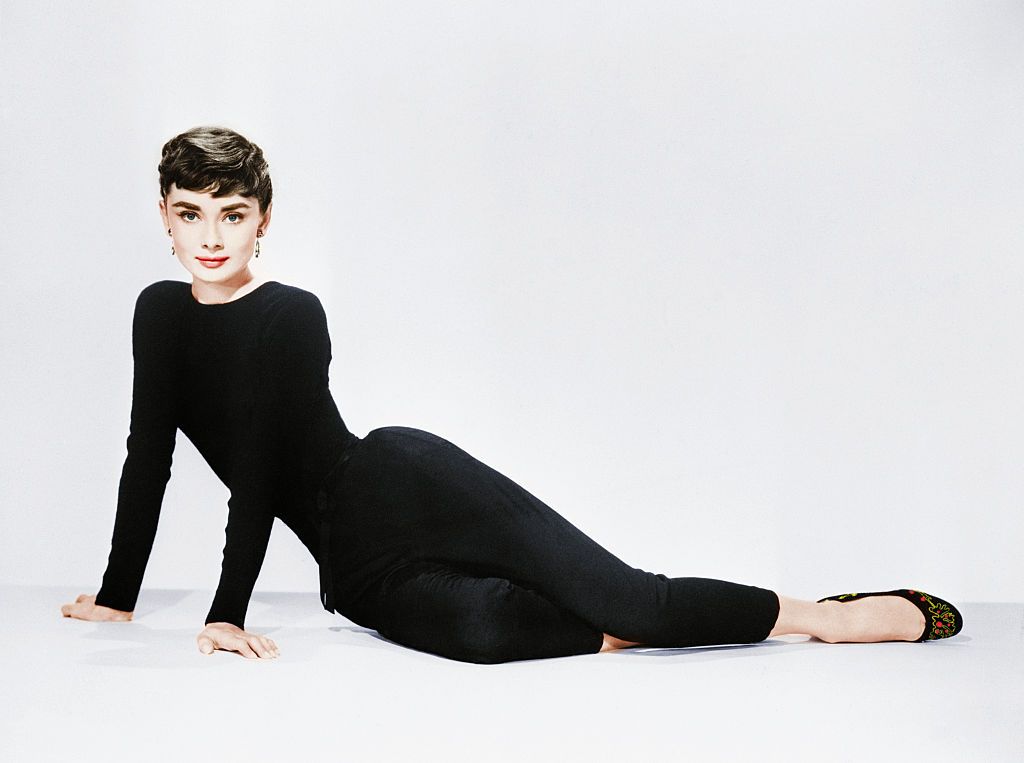
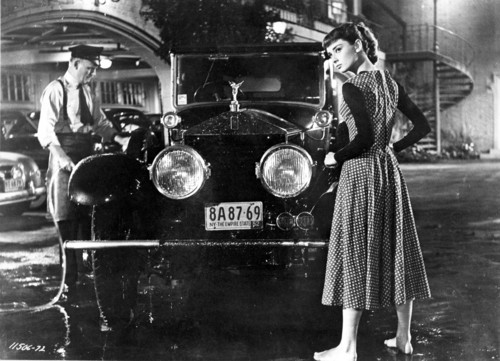
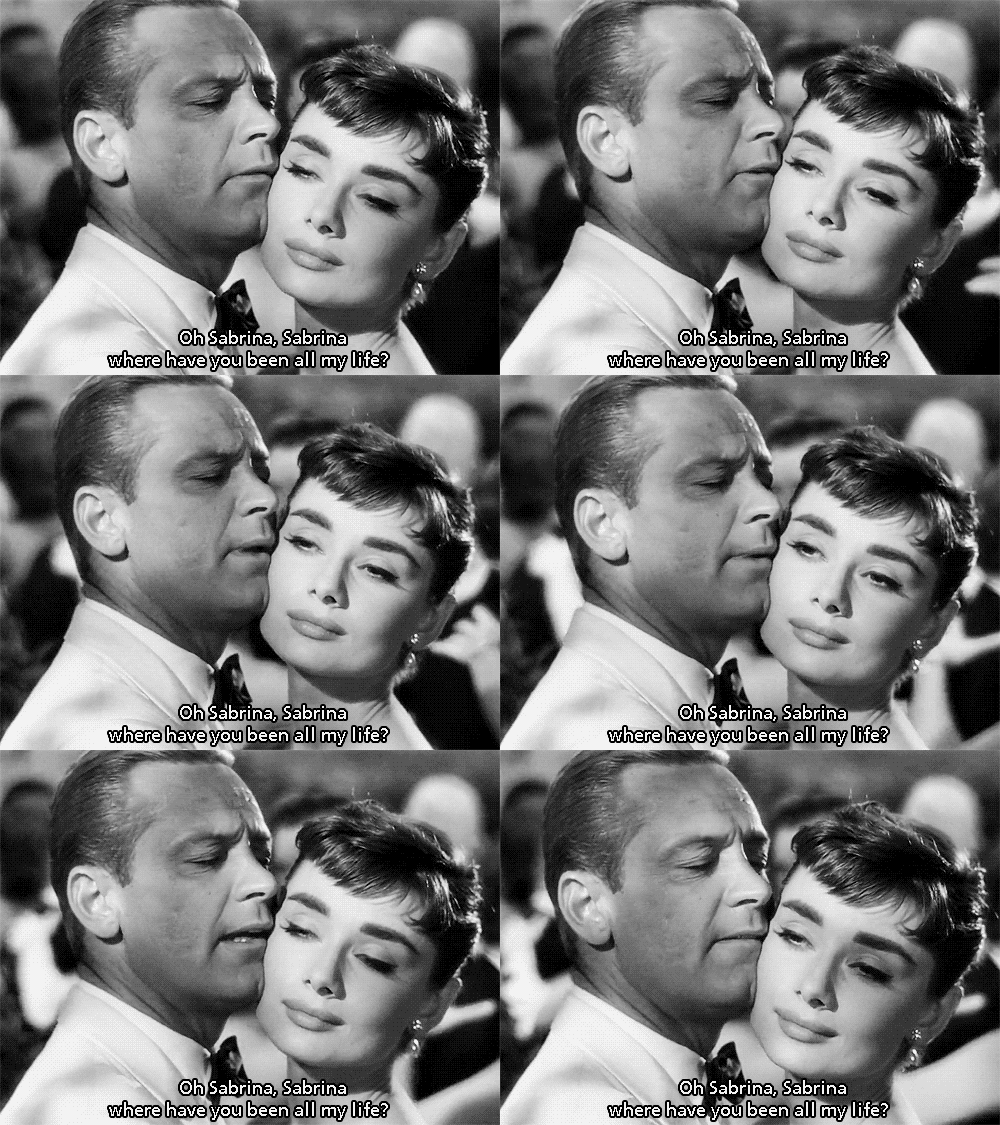
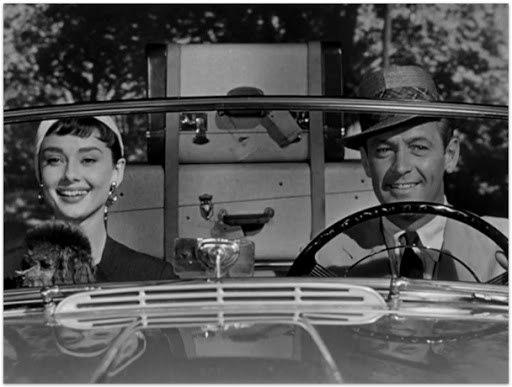
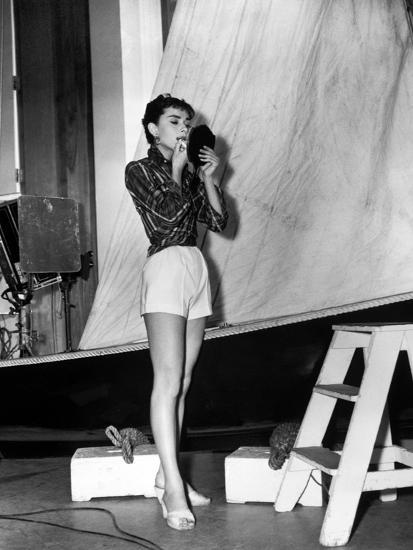
Audrey Hepburn wears the crown as golden age actress of class from her era. In every role, she carries herself with the ethereal grace of a princess. Even in her quintessential black leggings and flats, she remains the icon of fashion, elegance, and simplicity. In Sabrina, she plays the innocent chauffeur’s daughter in love with the son of the rich family for whom her father works. What begins as a rags to riches tale becomes more cat and mouse as the older brother seeks to dissuade the girls affections for the younger to maintain a business relationship. Playful and fun seeming on the outset, this story bridges more moral conundrums than seem common in a rom com, even one in black and white. You can always trust a Billy Wilder film to tell a simple seeming story with heart and complexity. Genius. Humphrey Bogart, of course, plays the much-too-old-for-her love interest who saves a young Sabrina from attempting to take her own life.Such tragedies pursue the hopeless romantics cursed with unrequited love. We weep. We waiver. We wander. And she wanders all the way to Paris, to a cooking school, where an odd friendship helps her see her own value before she returns home as an independent woman. Or does she?Will she allow her heart to swell as it once did for the fabulous playboy brother David, played by William Holden? Or will she fall for the one person in the world who listens as she speaks her mind and is surprisingly teachable, despite his foreboding manner. Bogart proves as lovable in Sabrina as in Casablanca, despite the less believable winter/spring fling potential.He is charming and she is mature. He is lonely and she is in the way of his big business merger. He has to risk something, even his own heart. It becomes less a question of how than why ever not?It’s a lovely princess story and a nice follow up to her treasured Roman Holiday performance. The 1995 remake with Harrison Ford, Julia Ormond, and Greg Kinnear proves equally as endearing, if justly a bit more aware of the darker tones and painstakingly fearful endeavor that those first steps into love truly are. Harrison and Humphrey, two charming loves who will always have my heart. Here is the original trailer: Sabrina (1954)
No, definitely not Louisa May Alcott’s Little Men. This film from director Ira Sachs tells the story of a friendship between two young boys growing up in Brooklyn.
Brian and Kathy Jardine (Greg Kinnear and Jennifer Ehle) move to Brooklyn with their 13-year-old son, Jake (Theo Taplitz), after Brian’s dad dies and leaves them the building he owns. Having grown up in Manhattan, Jake is reticent at first but learns to enjoy the quieter side of the city and space to roam.
Jake befriends Tony (Michael Barbieri), another 13-year-old whose mother Leonor (Paulina Garcia) rents the storefront below the Jardines’ apartment. Exuberant Tony dreams of being an actor and looks to Jake’s dad, a washed-up movie star for inspiration, because his own absentee father is a nurse working overseas.
Jake and Tony spend days rollerblading and scootering through Brooklyn. Sleepovers and video games abound. But problems arise when Jake’s parents must raise Leonor’s rent to support their family. Leonor objects, citing her close relationship with Brian’s late father as the reason she deserves to stay. She’s a single parent, an immigrant and longtime tenant, and she won’t go down without a fight.
The dilemma is unique, and the solution is sure to be complex, if it exists at all.
Amidst this simple story, some scenes drag. Long scenes are used to exhibit the slower pace of life in Brooklyn but frequently end up feeling rather clunky.
Overall though, the script is tight. Insightful and simple dialogue is knocked out of the park by perfect casting. The two young boys, newly discovered by Ira Sachs, give honest and raw performances. A highlight is Theo Taplitz’s emotional monologue at the end of the film – he had me in tears.
Paulina Garcia is also incredible. The Chilean actress plays the role of disgruntled Leonor beautifully. She shines in the uncomfortable money discussions with Kinnear, where her searing and highly personal insults pack a punch.
Little Men is simple and unassuming. Friendship is at its heart, but the demands of parents and city life won’t let up. Head to Hulu and see how they fare.
(Now streaming on Hulu)
~~~~
Gwen Hughes is a seasoned writer and the Editor-in-Chief at Madison Park Living magazine. When she is not working, she enjoys reading short stories, quoting John Mulaney Netflix specials, and eating family-size boxes of Mott’s Fruit Snacks.
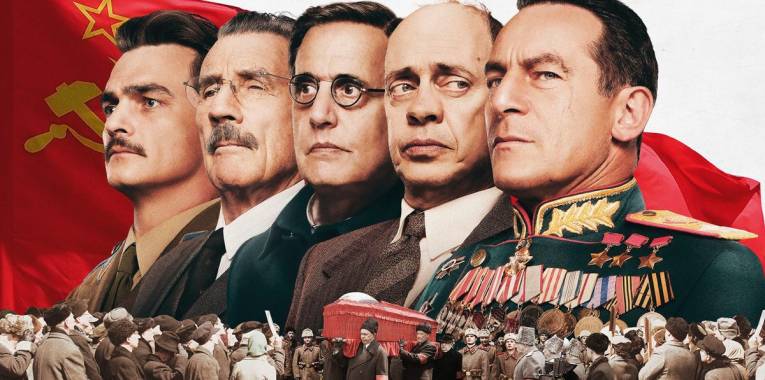
I didn’t expect to laugh out loud at the story of a communist dictator. But here we are.
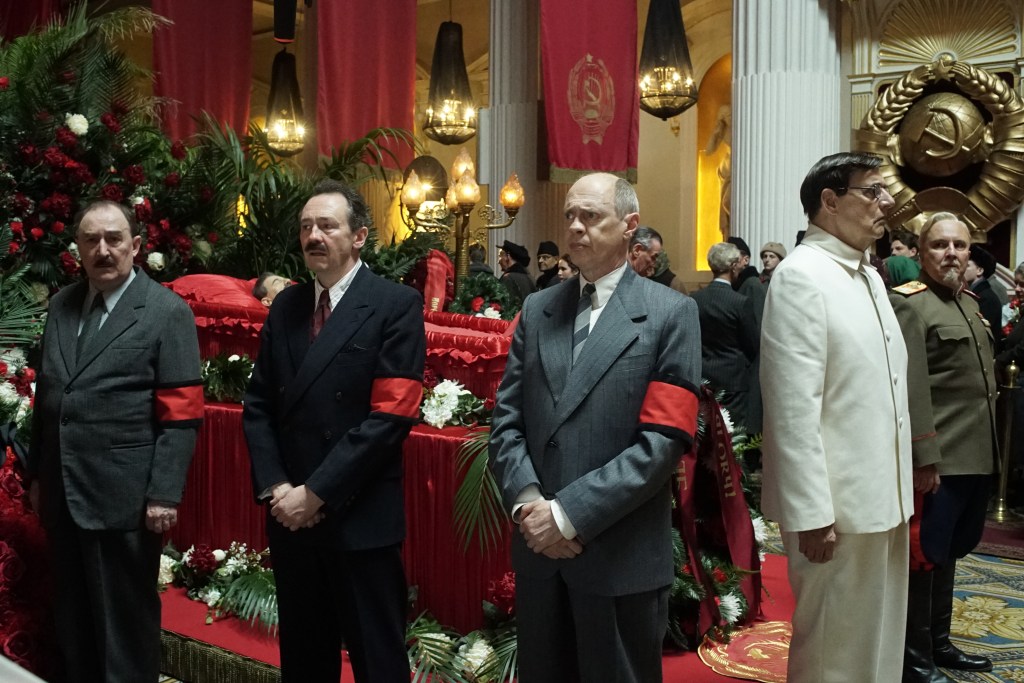
The Russian cousin of Jo Jo Rabbit, The Death of Stalin tells the story of Josef Stalin’s demise and the subsequent chaos of planning a funeral and finding his successor. Seasoned satirist and director Armando Iannucci (Veep, In theLoop) brings together a cast of A-list actors who make the antics of Stalin’s right-hand men utterly hilarious.
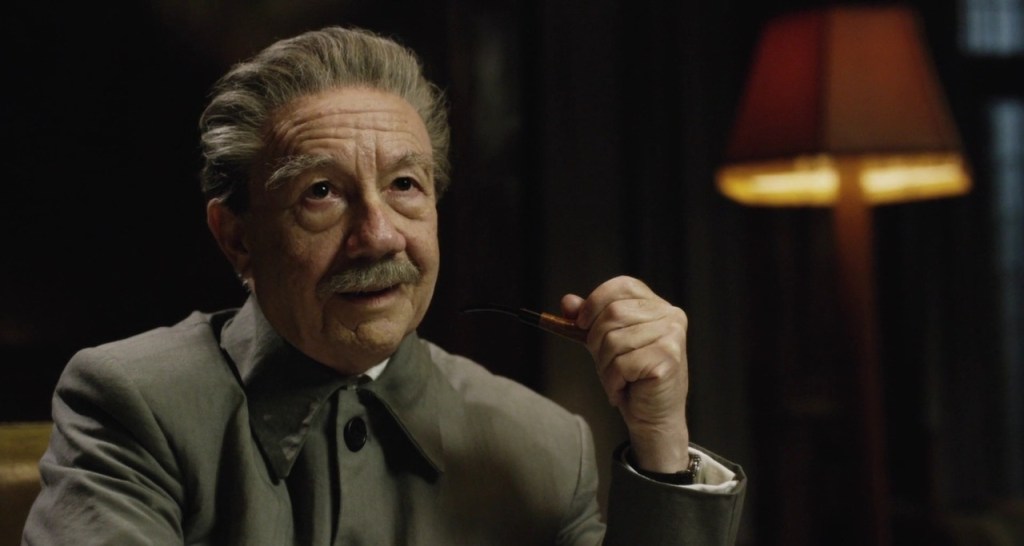
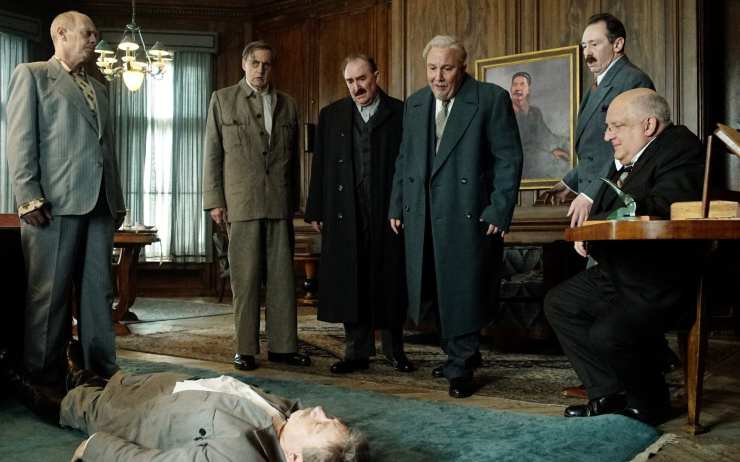
Like audiences, Stalin (the brilliant Adrian McLoughlin) laughs himself to death. The General Committee of goons, Nikita Khrushchev (Steve Buscemi), Georgy Malenkov (Jeffrey Tambor), and Laventri Beria (Simon Russell Beale) among others, unite to save their boss. Too bad they’ve sent all the doctors in Moscow to the Gulag. They were traitors, every last one of them.
Beria silently rejoices at the dictator’s death, hoping for a seat on the throne. Malenkov, the General Secretary and official successor, can’t make a decision to save his life, and they are all relieved they won’t have to sit through any more Westerns (Stalin’s actual favorite films!)
While the characters are sometimes hard to keep track of, you almost don’t care. A bunch of masterful comedic actors delivering the brilliant lines of Iannucci’s script and, no doubt, improvising some of the best. This is not Crime and Punishment, and there won’t be a test, though you will likely learn some Russian history along the way.
Don’t shy away from this film, thinking it’s a historical drama. Unlike Taika Waititi’s World War II satire, Iannucci doesn’t build up heartfelt relationships only to give you a punch in the gut in the end. This film is Steve Buscemi as a reluctant funeral director, Jeffrey Tambor in a girdle, and grown men cowering in the shadow of their 5’8” predecessor.
Not to mention it’s banned in Russia. Go nuts.
~~~~
Gwen Hughes is a seasoned writer and the Editor-in-Chief at Madison Park Living magazine. When she is not working, she enjoys reading short stories, quoting John Mulaney Netflix specials, and eating family-size boxes of Mott’s Fruit Snacks.

 Zellweger’s JUDY, like Portman’s Jackie, offers a brief look into her moments of highest tension in life. Judy Garland was America’s sweetheart for the whole of her short life, but never was she allowed to bask in the joy of being so. She was a puppet, a plaything for managers to exploit and audiences to admire.
  I grew up in a world that kept her ruby slippers under glass and sang along with her gleeful performances. Her life looked charmed and protected under lights and roses tossed from theater seats.
 This was the illusion. Off-stage versus on. Almost robotically, a switch flipped in front of an audience. The child actor poised, prodded, and pumped with narcotics became the showman. Addicted to audience and adrenaline as much as substances, she found no solace in the “normal” life she wished for. She loved her children but didn’t know how to shut off offstage.
 Renee Zellweger truly embodies Judy in her last year of life, her swaggered performances and pained relationships. Judy Garland’s life story is a sad testimony to the abusive underbelly of entertainment and the affect of falling for the fickle love of fans.

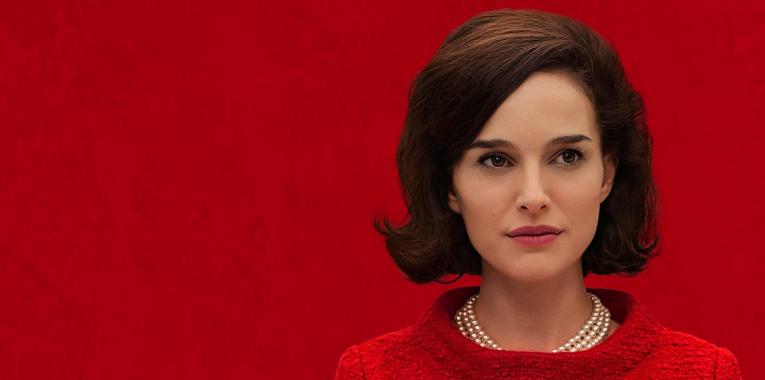


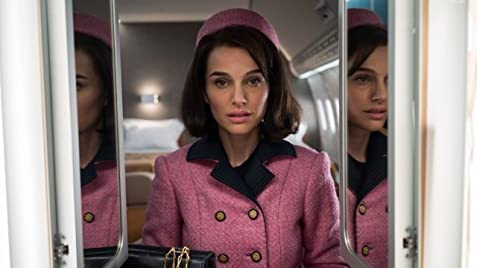
 After JFK’s death, Jackie chose to honor her husband’s memory and position by leading the country in grief as she did in fashion. When anyone dies, we unconsciously customize their memory. We eulogize their beauties, skills, and strengths, remembering them for all of their best qualities. Despite their flaws in life, we glorify them in death.Jackie orchestrated a hero’s send off in favor of patriotic symbolism and in so doing, strengthened a country. Her dignity set the tone for the whole world to grieve. This film shows her internal tension and culminates as she explains the line from her husband’s favorite play, “for one shining moment, there was a Camelot.”











 One part Tina Fey’s Mean Girls pop plot meets two parts Freaks and Geeks nostalgia. Add the zest of some Bring It On-style iconic vocab and the full-speed-ahead dialogue almost Gilmore-pace (almost). Sprinkle a bit of High School Musical-esque cheese with the added touch of plenty of PG-13 dialogue (aka swearing and overt discussions about sex). Toss in heavy doses gorgeous cultural heritage. And you have the newest Netflix binge-worthy series. I laughed hard through it all, mostly because of the narration by John McEnroe and for a moment Andy Samburg.










 Splatter: on FILM