
Subscribe to continue reading
Subscribe to get access to the rest of this post and other subscriber-only content.

My journey as a writer of screenplays, novels, poetry, and more. films as I see them. Enjoy!

Subscribe to get access to the rest of this post and other subscriber-only content.
Subscribe to get access to the rest of this post and other subscriber-only content.
Subscribe to get access to the rest of this post and other subscriber-only content.

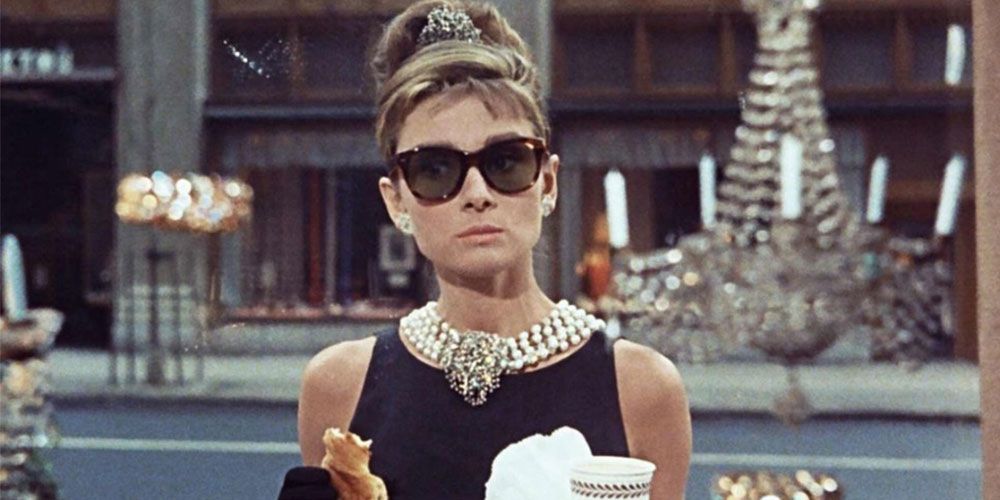 Audrey had a way with people. She wooed them. She still does. So many of her films are almost travel-bios advertising the towns they tour – each city becoming a character of sorts in the film.
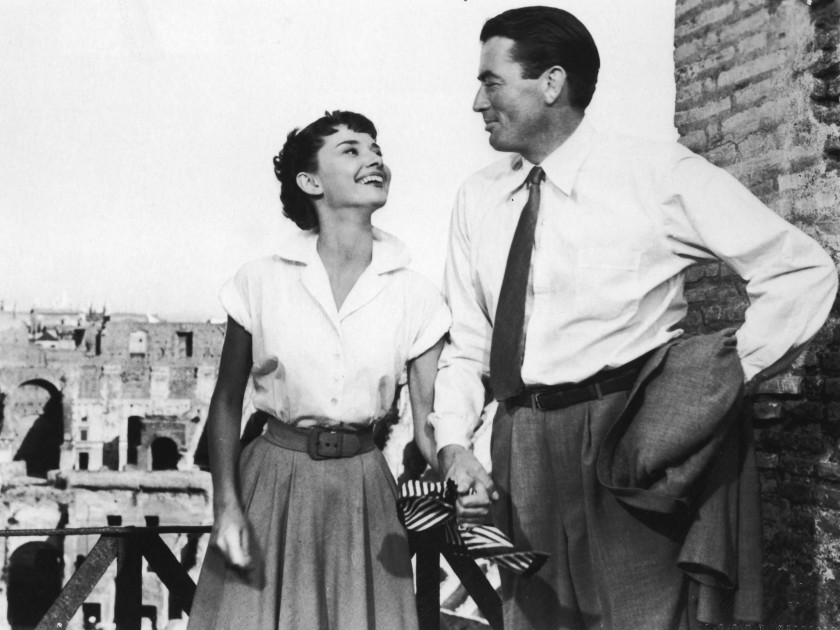
 Roman Holiday (1953) sweeps her up into Gregory Peck’s arms for a guided tour of Rome offering an overworked Princess a rare holiday for a day.
 In Funny Face (1957), Audrey tours Paris and transforms from bookish to bombshell. Bonjour Pari!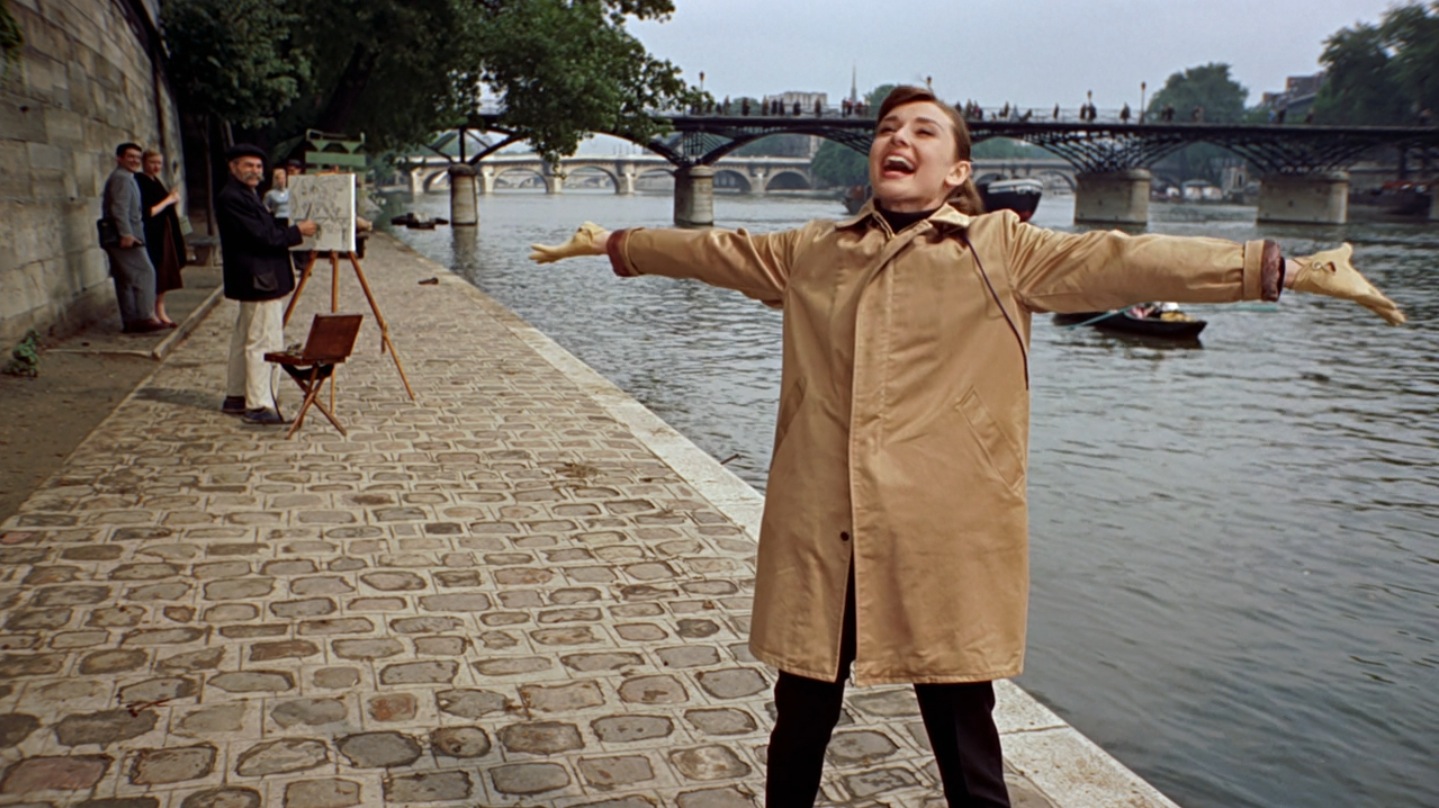
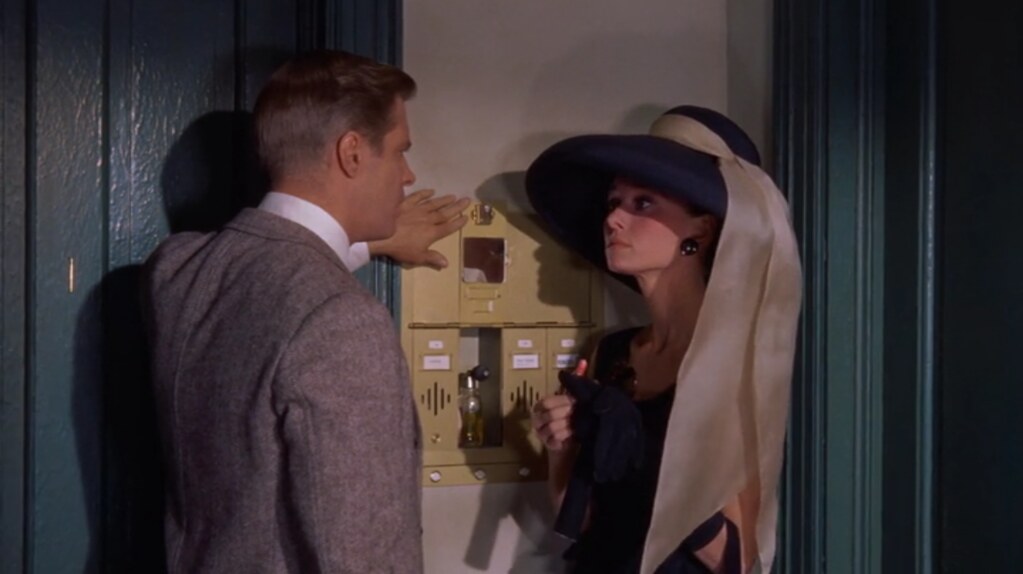
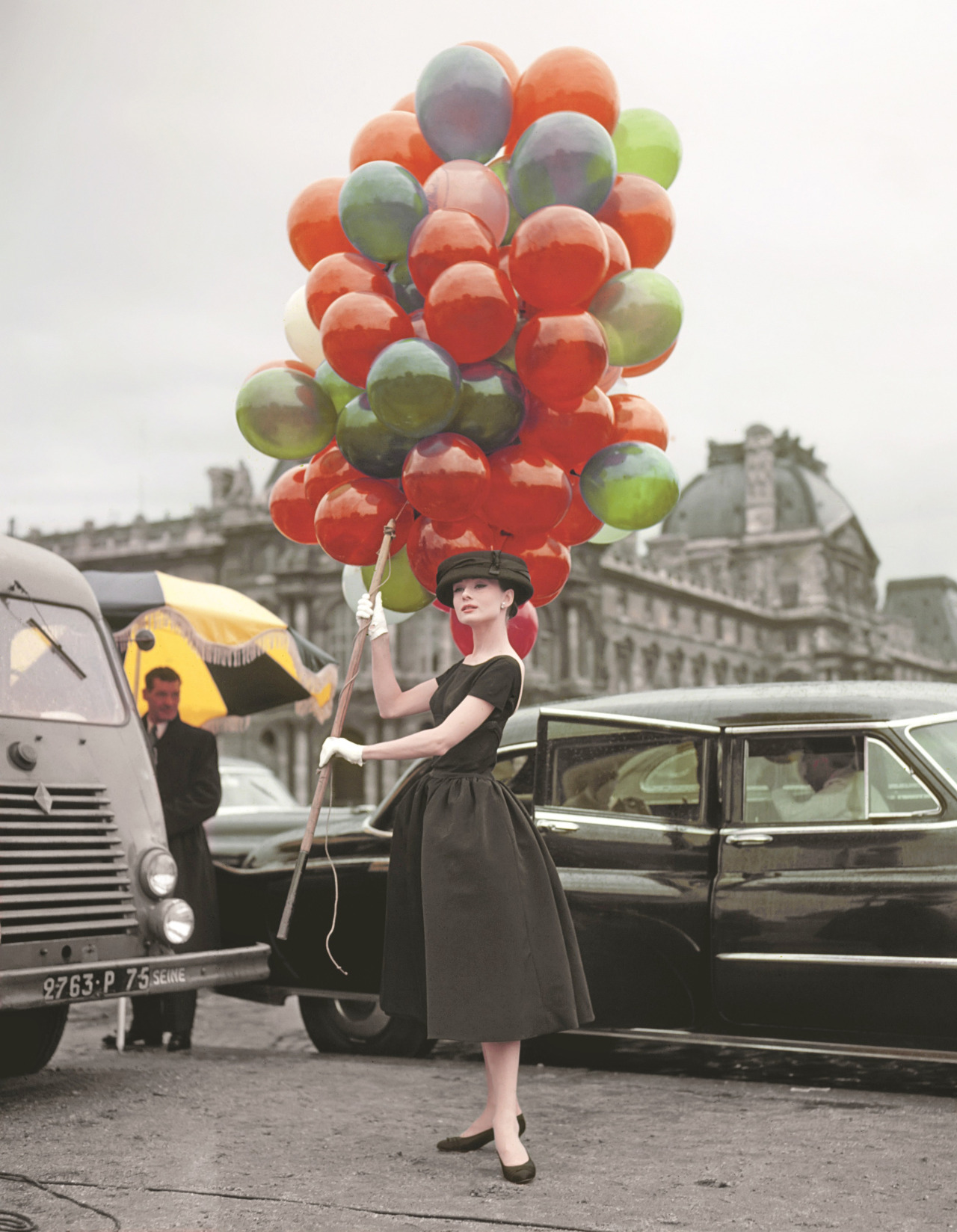 Breakfast at Tiffany’s catches cabs all around NYC with George Peppard. Their iconic day of firsts is a perfect city glance.
 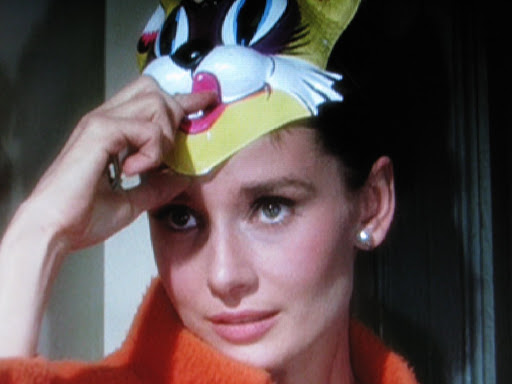 Set in the well-sauced sixties, the story surrounds the nightlife loving New York model escort who befriends the young and beautiful writer George Peppard, who has similar secrets of his own.
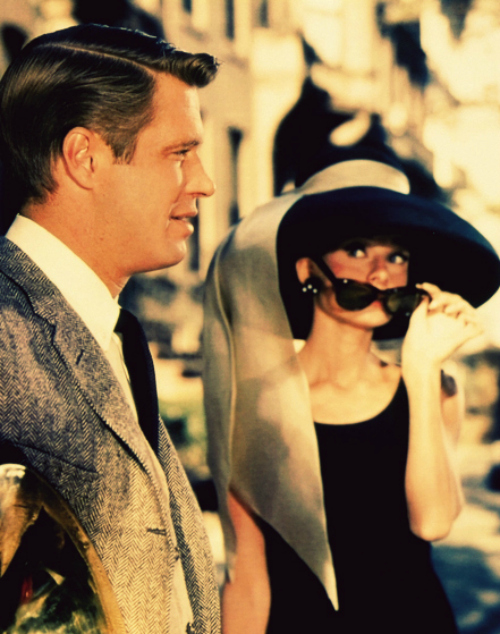 Despite Mickey Rooney’s unfortunately racist caricature, much of this film still holds up. It’s a Pretty Woman story of sorts, in which Audrey Hepburn gets to play against type as Holly Golightly.
  No longer the little girl, wistful and tender hopping about Rome, this role created by author Truman Capote is much darker: a girl, full of sorrow, running from her past. The mask she wears just happens to have thick fake lashes and a perfect wardrobe dripping with tasteful jewels.
 Honest and safe in each other’s presence, the two main characters grow more comfortable together and slowly more cognizant the fact that to true love requires vulnerability, dependence, and exclusivity – all of the relational holds she’s been running from her whole life.
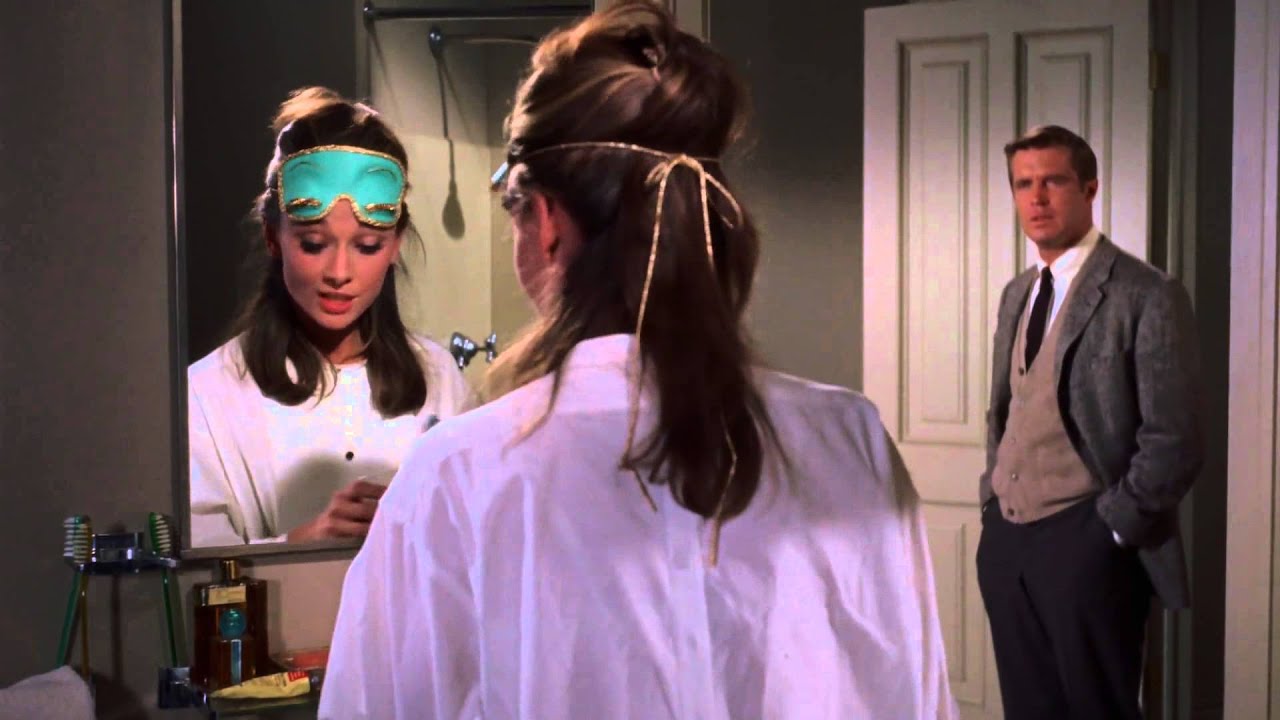 She shows him her Sunday afternoon side, singing on the fire escapes and feeding the cat. Henry Mancini wrote the famous song “Moon River” for this film. Studios weren’t going to let Audrey sing it because of her whispey vocals, but Mancini stood up and said if she didn’t sing it they wouldn’t get to use it.
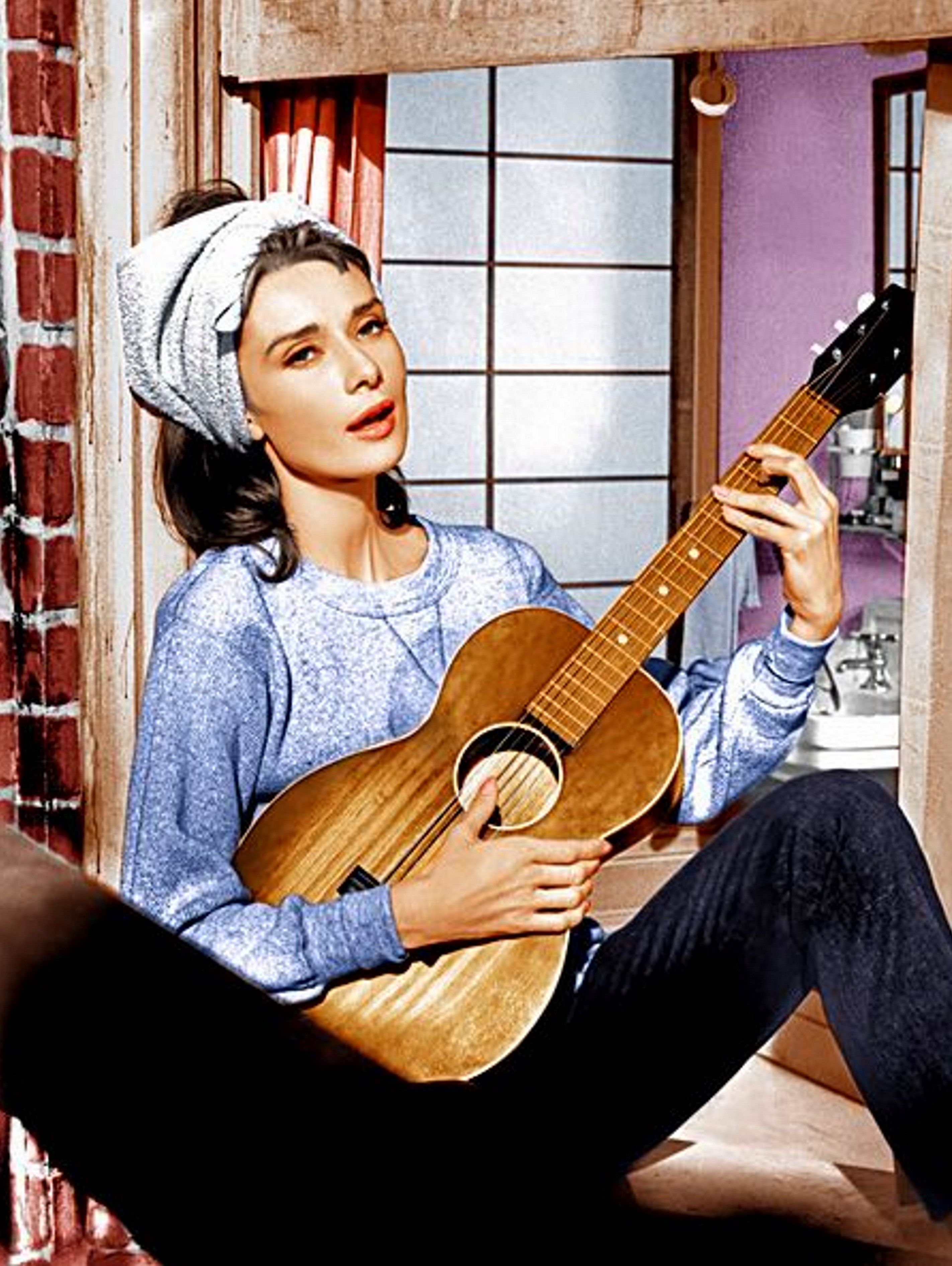 Peppard quickly becomes the one man in New York who is privy to her past as a young girl on the farm, married off to a widow at fourteen. She seeks freedom in the Big Apple but finds only a new sort of slavery. She calls herself a wild thing who can’t be held down. She won’t even give the cat a name because he doesn’t really belong to her. To belong to somebody would give them power over her that she can’t allow – it hurts too much.
 Breakfast at Tiffany’s, now iconic in both fashion and film, is truly one of the saddest stories, but it teaches its audiences that to love is to allow someone else in, for better or worse, and that that can be beautiful.

 Peanut Butter Falcon rescued me somehow.

 It’s a Huck Finn story about two runaway renegades with a plan and their unlikely friendship.
Zack Gottsagen, Shia LaBeouf, and Dakota Johnson star. Endearing and hopeful, this story will pick up up out of any desperate spot, baptize you on the southeastern shores, and walk you homeward toward new hope. That’s a lot to say for a little oddly named indie film about friends being family, but it’s true. This film is precious to me.
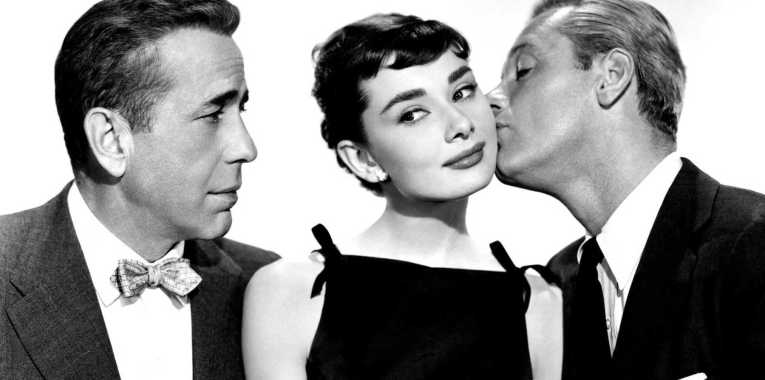
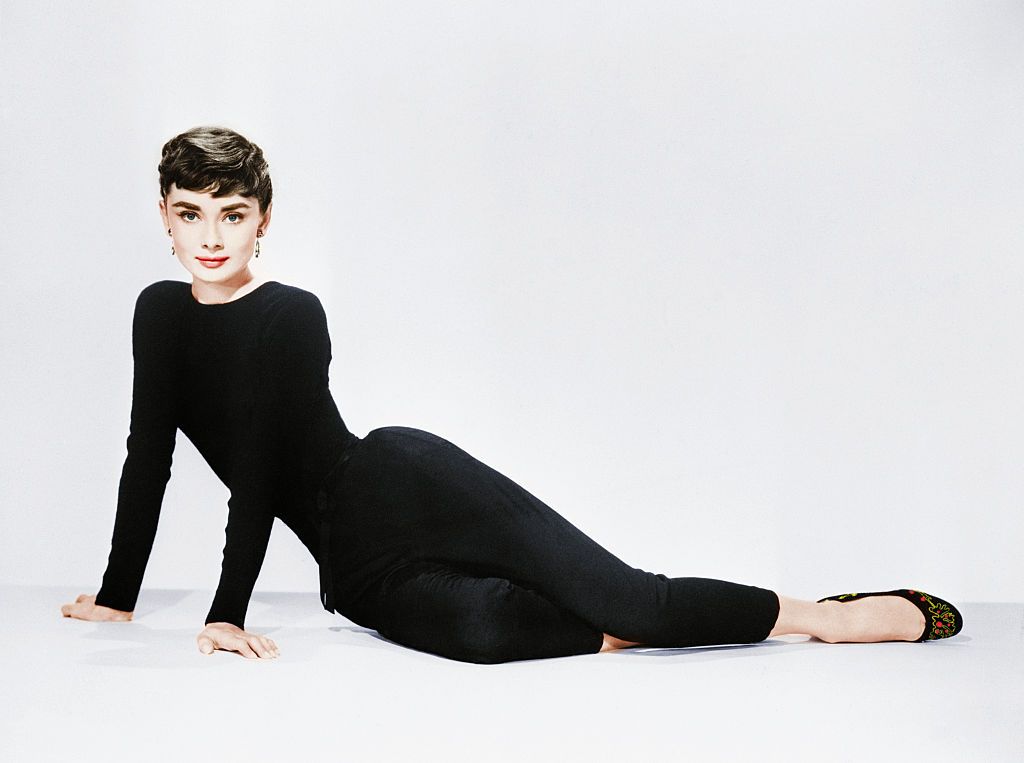 Audrey Hepburn wears the crown as golden age actress of class from her era. In every role, she carries herself with the ethereal grace of a princess. Even in her quintessential black leggings and flats, she remains the icon of fashion, elegance, and simplicity.
  In Sabrina, she plays the innocent chauffeur’s daughter in love with the son of the rich family for whom her father works. What begins as a rags to riches tale becomes more cat and mouse as the older brother seeks to dissuade the girls affections for the younger to maintain a business relationship.
  Playful and fun seeming on the outset, this story bridges more moral conundrums than seem common in a rom com, even one in black and white. You can always trust a Billy Wilder film to tell a simple seeming story with heart and complexity. Genius. Humphrey Bogart, of course, plays the much-too-old-for-her love interest who saves a young Sabrina from attempting to take her own life.
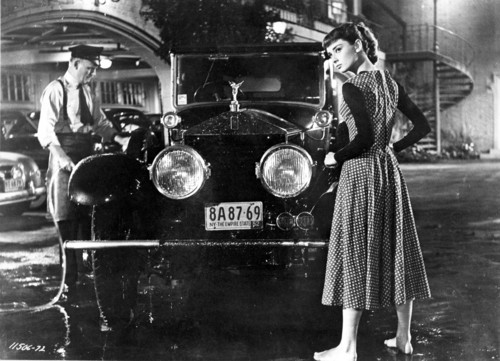 Such tragedies pursue the hopeless romantics cursed with unrequited love. We weep. We waiver. We wander. And she wanders all the way to Paris, to a cooking school, where an odd friendship helps her see her own value before she returns home as an independent woman. Or does she?
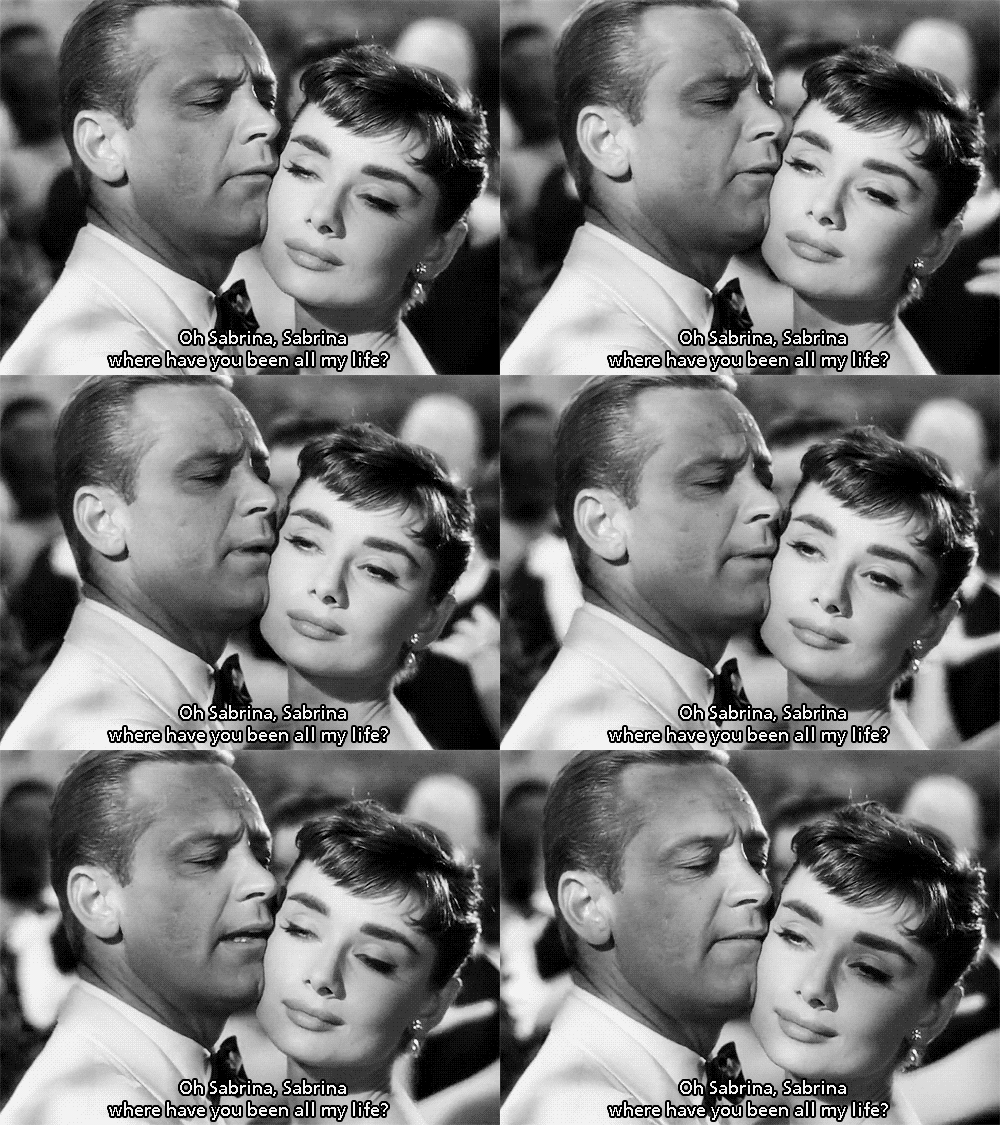 Will she allow her heart to swell as it once did for the fabulous playboy brother David, played by William Holden? Or will she fall for the one person in the world who listens as she speaks her mind and is surprisingly teachable, despite his foreboding manner. Bogart proves as lovable in Sabrina as in Casablanca, despite the less believable winter/spring fling potential.
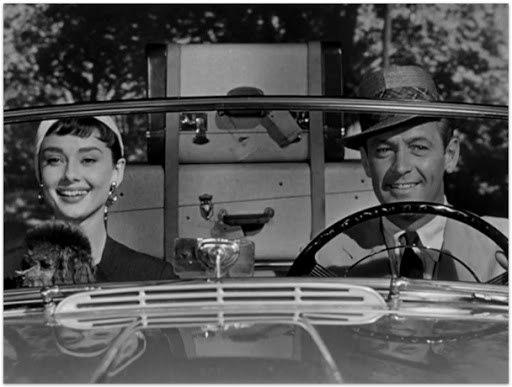 He is charming and she is mature. He is lonely and she is in the way of his big business merger. He has to risk something, even his own heart. It becomes less a question of how than why ever not?
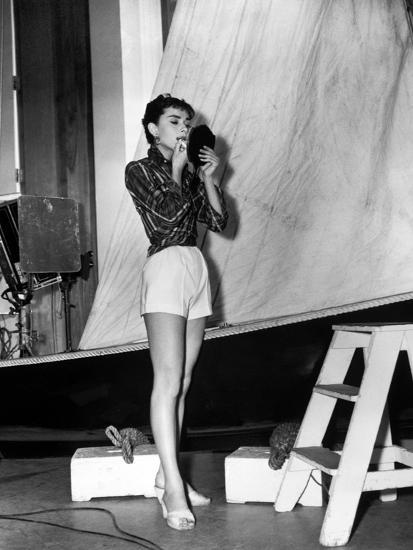 It’s a lovely princess story and a nice follow up to her treasured Roman Holiday performance.
  The 1995 remake with Harrison Ford, Julia Ormond, and Greg Kinnear proves equally as endearing, if justly a bit more aware of the darker tones and painstakingly fearful endeavor that those first steps into love truly are. Harrison and Humphrey, two charming loves who will always have my heart.
  Here is the original trailer: Sabrina (1954)
And Sabrina (1995)
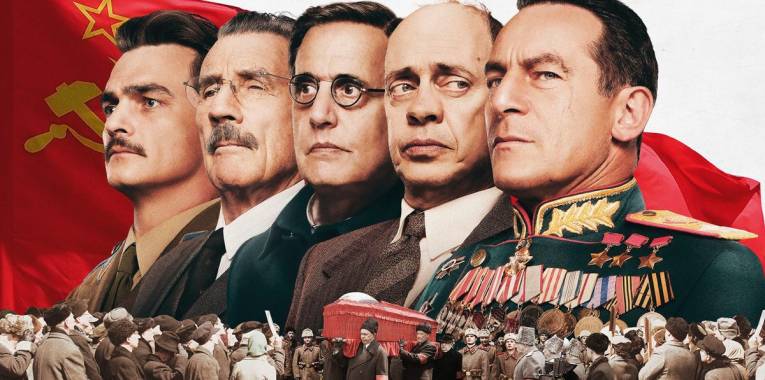
I didn’t expect to laugh out loud at the story of a communist dictator. But here we are.
The Russian cousin of Jo Jo Rabbit, The Death of Stalin tells the story of Josef Stalin’s demise and the subsequent chaos of planning a funeral and finding his successor. Seasoned satirist and director Armando Iannucci (Veep, In the Loop) brings together a cast of A-list actors who make the antics of Stalin’s right-hand men utterly hilarious.
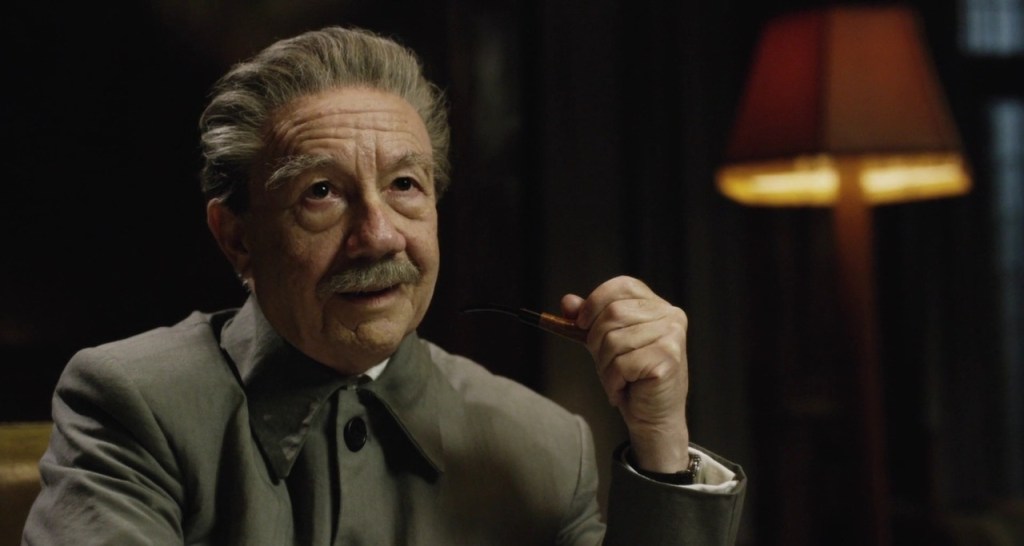
Like audiences, Stalin (the brilliant Adrian McLoughlin) laughs himself to death. The General Committee of goons, Nikita Khrushchev (Steve Buscemi), Georgy Malenkov (Jeffrey Tambor), and Laventri Beria (Simon Russell Beale) among others, unite to save their boss. Too bad they’ve sent all the doctors in Moscow to the Gulag. They were traitors, every last one of them.
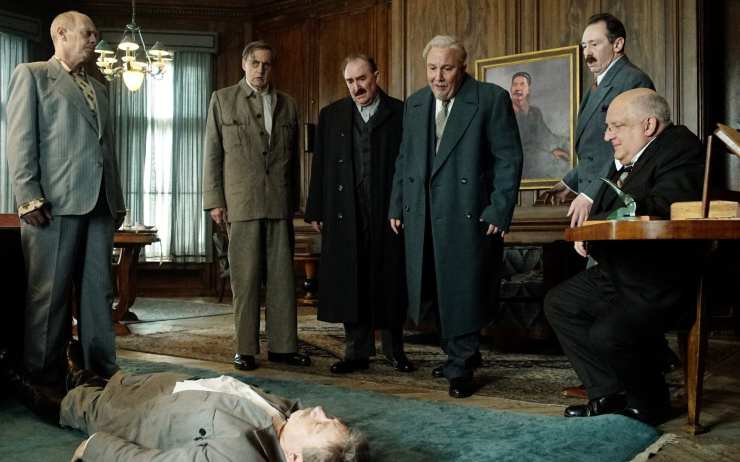
Beria silently rejoices at the dictator’s death, hoping for a seat on the throne. Malenkov, the General Secretary and official successor, can’t make a decision to save his life, and they are all relieved they won’t have to sit through any more Westerns (Stalin’s actual favorite films!)
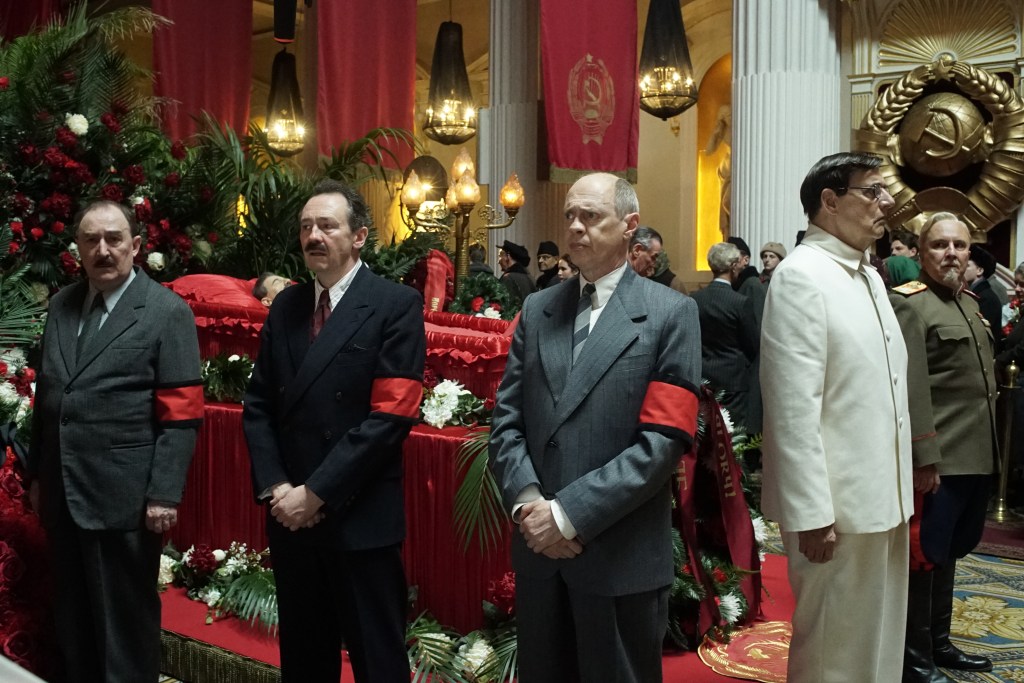
While the characters are sometimes hard to keep track of, you almost don’t care. A bunch of masterful comedic actors delivering the brilliant lines of Iannucci’s script and, no doubt, improvising some of the best. This is not Crime and Punishment, and there won’t be a test, though you will likely learn some Russian history along the way.
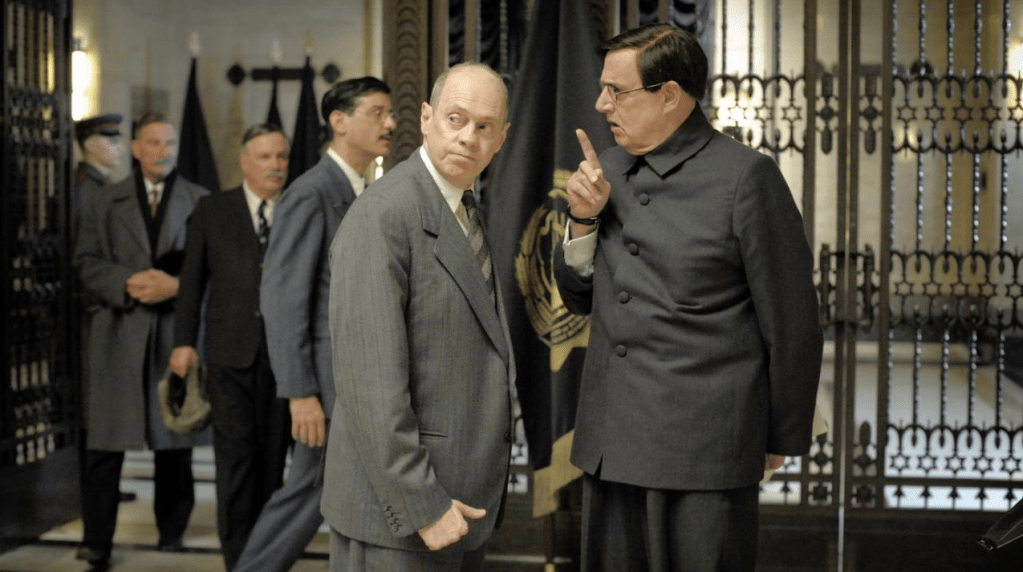
Don’t shy away from this film, thinking it’s a historical drama. Unlike Taika Waititi’s World War II satire, Iannucci doesn’t build up heartfelt relationships only to give you a punch in the gut in the end. This film is Steve Buscemi as a reluctant funeral director, Jeffrey Tambor in a girdle, and grown men cowering in the shadow of their 5’8” predecessor.
Not to mention it’s banned in Russia. Go nuts.
~~~~
Gwen Hughes is a seasoned writer and the Editor-in-Chief at Madison Park Living magazine. When she is not working, she enjoys reading short stories, quoting John Mulaney Netflix specials, and eating family-size boxes of Mott’s Fruit Snacks.


Mother and daughter
Live in a purple castle,
Not Cinderella’s

Danger all around
Little Moonee rules the roost
With buddies in tow
—
Landlord Bobby watches
Mother Halley make mistakes
Can’t help but protect

Mom smokes in the room
Unwelcome guests come at night
Moonee, still smiling

You might lose friends, but
Nothing like a mother’s love
And breakfast buffets

Disney adjacent
We grow where we are planted
No break for Moonee

Sean Baker is king
Of cotton candy colors
And iPhone endings
—
(Now streaming on Netflix)
~~~~
Gwen Hughes is a seasoned writer and the Editor-in-Chief at Madison Park Living magazine. When she is not working, she enjoys reading short stories, quoting John Mulaney Netflix specials, and eating family-size boxes of Mott’s Fruit Snacks.
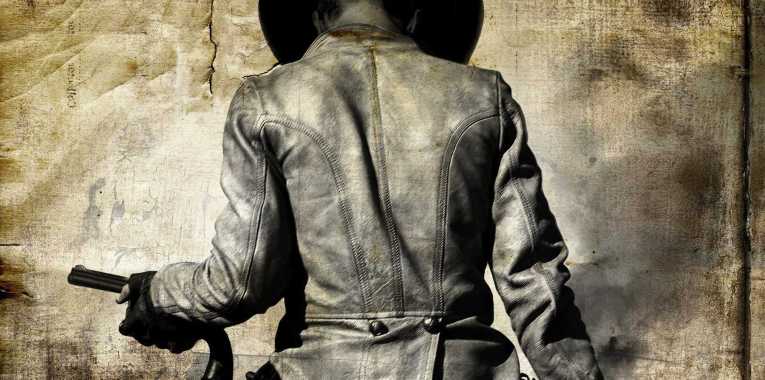

The boy rides the crux
Of becoming his hero:
Outlaw or father

Crowe and Bale strike true
As likable outlaw and
underdog rancher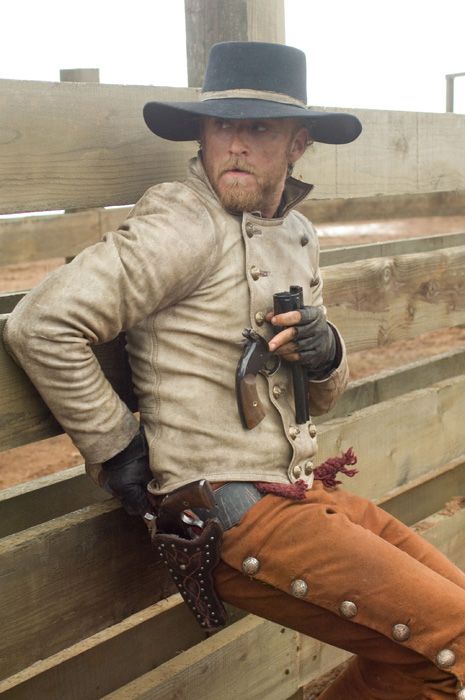
The old west’s ying yang
Justice rides the 3:10 train
Gunslingers roundup
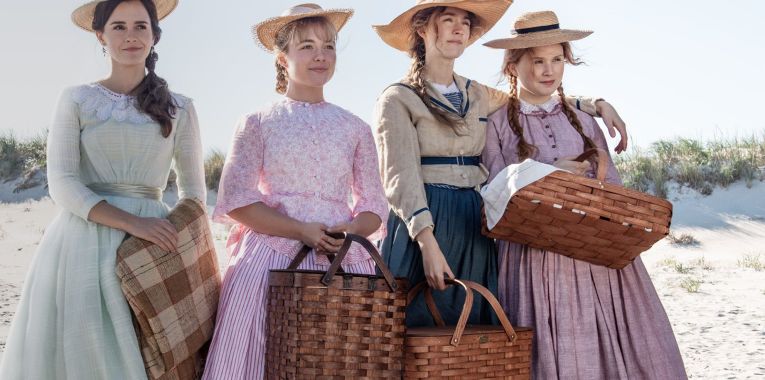
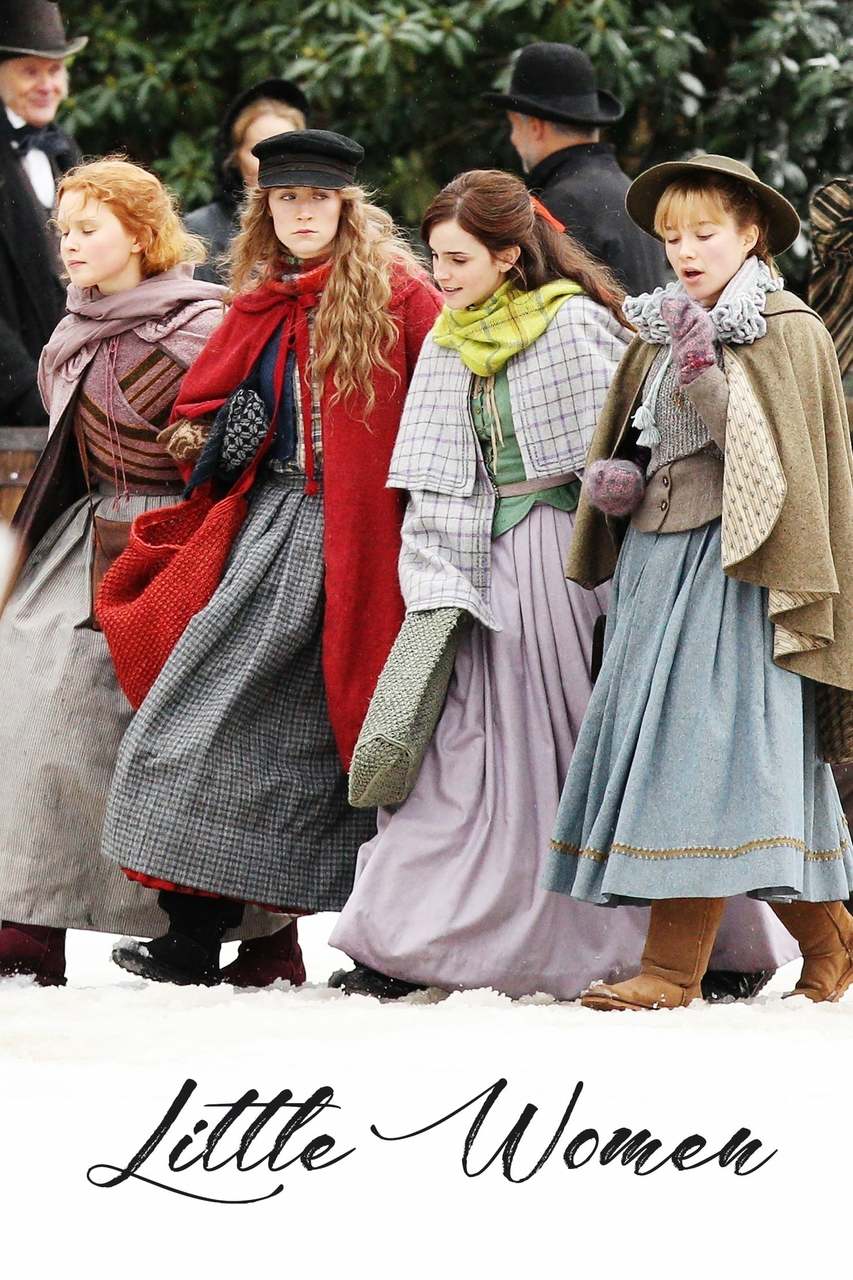
 When given the challenge of reviving a generational classic, Greta Gerwig called upon her faithful, dramatic compatriots (Saoirse Ronan and Timothee Chalamet) and broadened her incredible team (Laura Dern, Meryl Streep, Florence Pugh, Emma Watson, Eliza Scanlen, Bob Odenkirk, Chris Cooper, and more) to reinvigorate Little Women as we’ve never seen it before.
 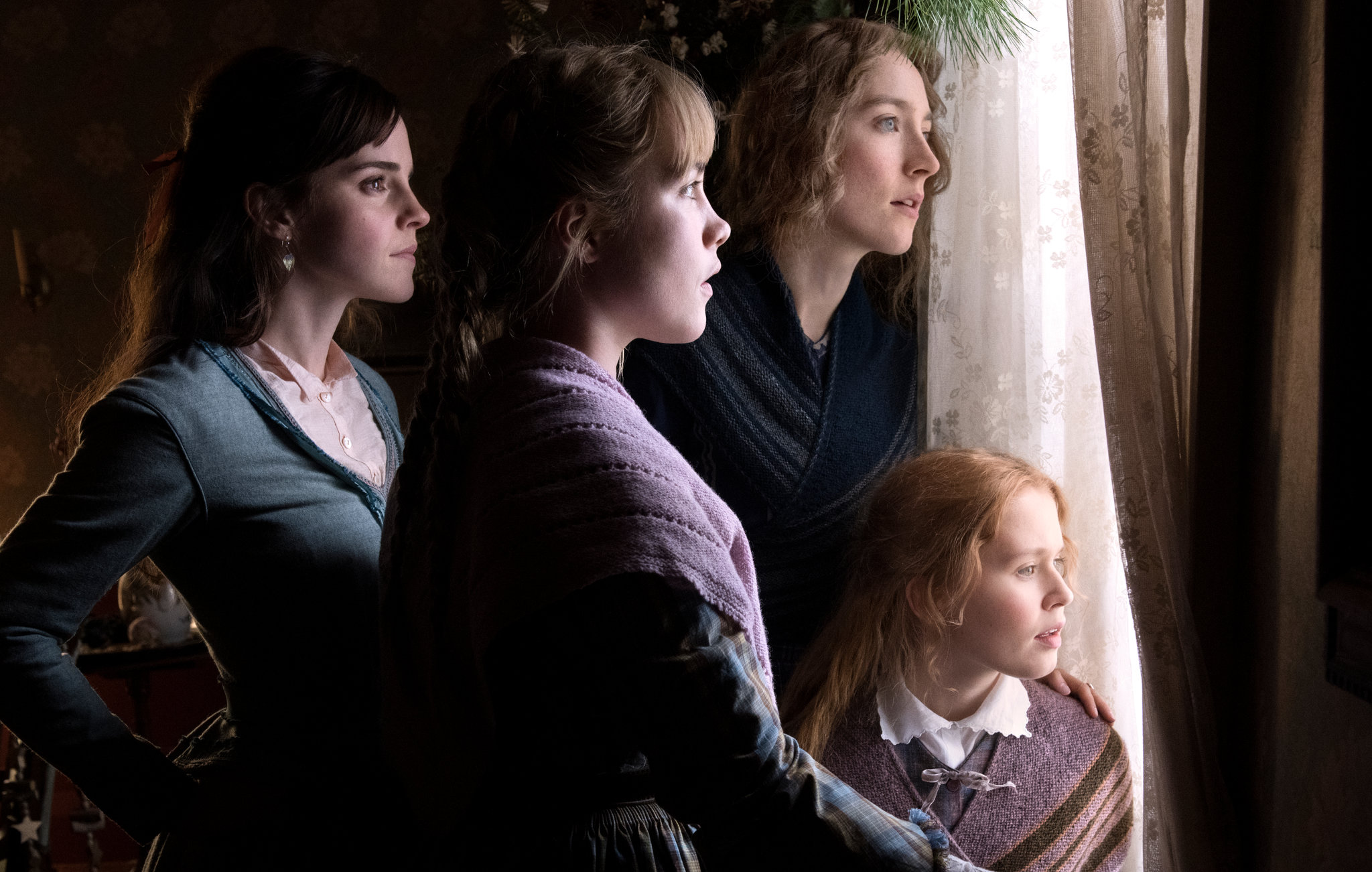 This film is a triumph in artistic vision and storytelling vigor. It’s a walk through the Musee d’Orsay; each scene is reminiscent of a famous painting. Each character is a Pinterest board of fresh takes and favorite moments from classic renditions of these films, all adaptations of the beloved novel by Louisa May Alcott.
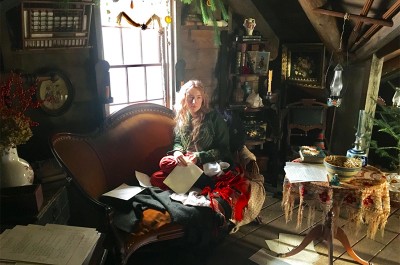 But this is Gerwig’s finest chess move. She plants author’s DNA into the main character. Jo March is a strong, verbose, witty, lively heroine confined to the constraints of an era in which women were doomed to demure domesticity. She was a writer and a visionary. Like Alcott. Like Gerwig. So her characters investigate the struggles of home-life in a time of civil war, when money is king yet scarce, and when imagination and family bonding provide rare escape from discouragement.
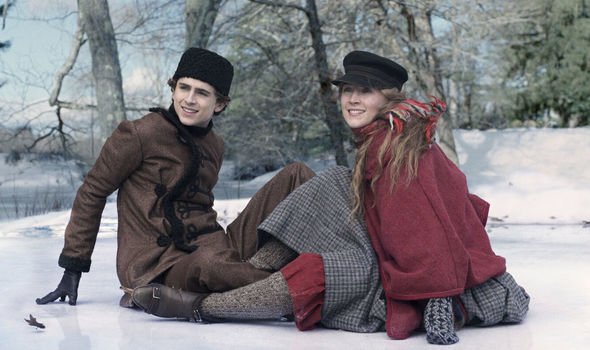
 Loss determines destiny for most, but strength of spirit and courage of will allow the March women to rise above all.
Don’t miss this newly deemed classic. It’s pretty nearly perfect.
 Splatter: on FILM