Zero to hero. Christmas Flint is a tiny girl with a dream. She wants to win the scout medal and be chosen to send her voice out into space on the ‘77 Golden Record. Since her Mama died and became a star, Christmas has been trying to find a way to reach her. So, she bands together a crew of outcasts to win merit badges and perform at the final competition; the prize is a spot for their voices on that Record!
McKenna Grace, Jim Gaffigan, Voila Davis, and Allison Janney lead this perfect cast of misfits to gold.
It’s a rare film that you rewatch knowing that you’ll cry. This one sits up there with family films that I’ll always love, quotable comfort films that changed us and will be overplayed because they heal us somehow, films like “The Kid” and “Hook” and “Inside Out.” Add Troop Zero to the list and be inspired (even through that wild, uncomfortable end scene).
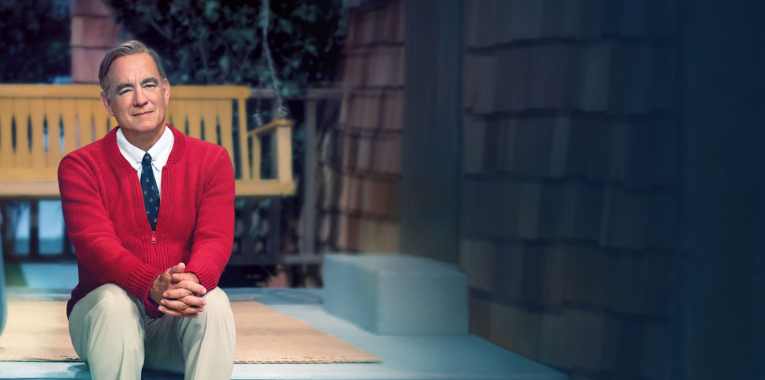
REVIEW in HAIKU: Hanks’ Fred is spot on two hours free counseling With Mr Rodgers
REVIEW: Get ready for the gut punch you never thought you needed. A kids show with a Seinfeldian slow-talker who changes his shoes a lot can’t possibly be life-giving, right? It’s almost as though you’re doing some pre-therapy during those oblivious childhood years as Mr Rogers subliminally offers acute preparation for the hardships of life. Divorce. Death. Conflict. Racial tensions. Forgiveness. He never shied away from hard topics. Neither does this real film covering a real article written by a journalist who meant to expose the mean side of Fred Rogers, digging at the alleged sharp-shooter. Instead, that journalist is forced to confront his life tragedies and forgive the man he blames: his own father. Daddy issues run deep.
Rogers is not the main character, but his words and attentive aid for the man trying to smear him become a catalyst for many rescued relationships. That’s what the puppets and the trolley and the fish tank and the shoes were all about: healing.
Go experience your own healing, as Tom Hanks masterfully embodies all of the tension that is getting close enough to others to hurt with them, to pray for them, and to maybe help them find their hearts again.
RATING: A (A must-see, A tear-jerker, A timeless tribute)
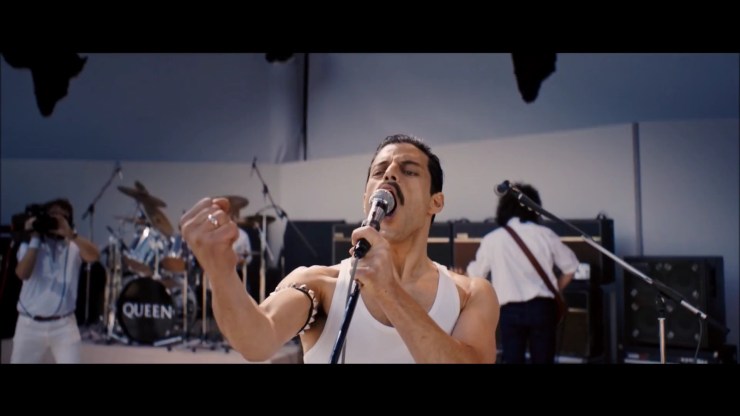
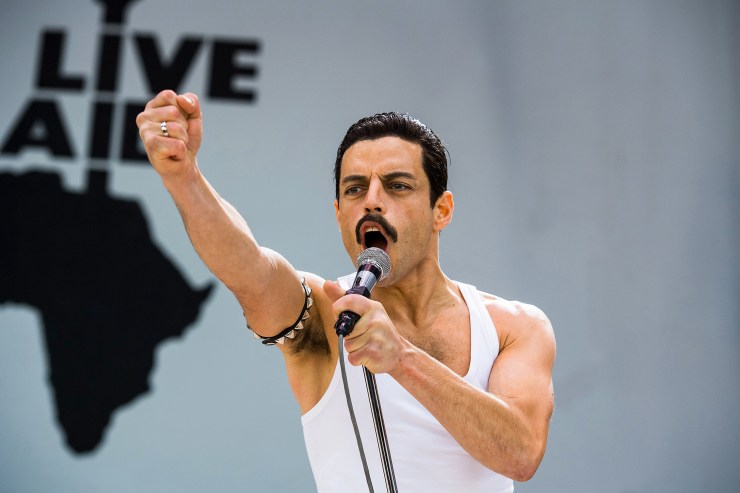
Freddie Mercury’s life demands a big screen experience. Flamboyant, flippant, often flustered, Mercury was a showman with the pipes to match.His talent surpassed the world’s ability to process it. He was a diva through and through who envisioned massive crowds enthusiastically applauding his music. One performer can’t do it alone. The Queen band became his family, and he theirs. His wife, ever-supportive, endured a lot but remained his rock and comfort even after they split.
His huge personality paired with an equal ego. He was haughty and callous, exclusive yet extroverted, and Rami Maleck plays him beautifully.When Mercury was diagnosed with aids, however, he was humbled. His world closed in and he searched for his true companions again. His band took him back and remained family to the end.This bio-pic places audiences on stage for the largest concert in history. Every minute, the exploration of vibrant color and lighting in each shot, not to mention the phenomenal costuming, makes this an incredible viewing experience.Bohemian Rhapsody
Rami Malek (Freddie Mercury)
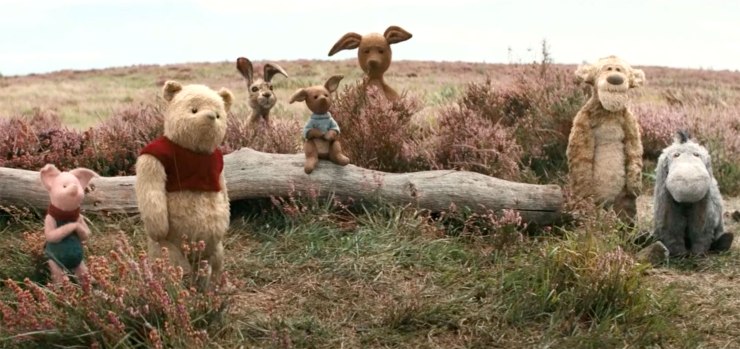
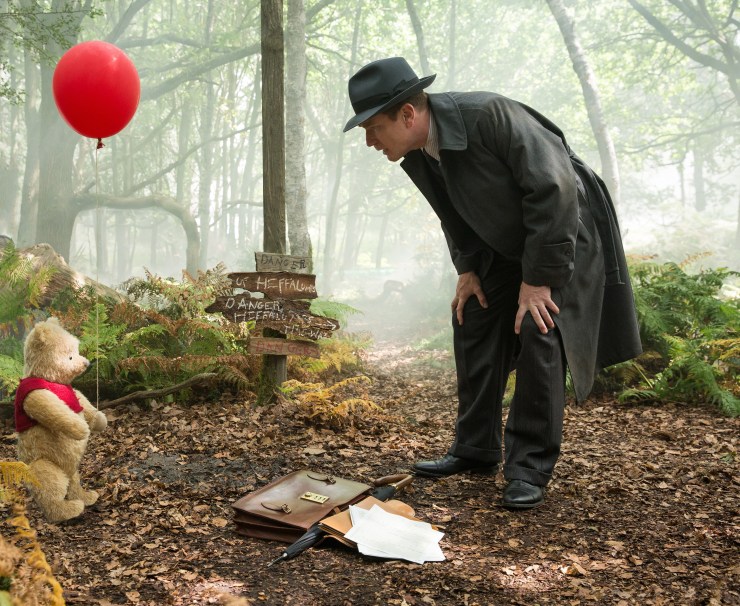
As it should be, the boy and bear unite to save their friends in this surprisingly sweet film starring Ewan McGregor as a grown up Christopher Robin.Director Mark Forster and famous voices, including the original voice of 1988 Disney classic Pooh Jim Cummings, bring the original pack of fluffy pals to life in scenes that look pleasantly more muppet than CG.Hook meets Paddington, as it takes a bear of “very little brain” and deep honey love to show a dad how to play and laugh and be silly once again.Sometimes we work too much and let the anxious world let us down, so we require a film like this one that reminds us of the sweetness of enjoying another’s company in doing nothing for a while. After all, doing nothing often leads to to best of somethings.
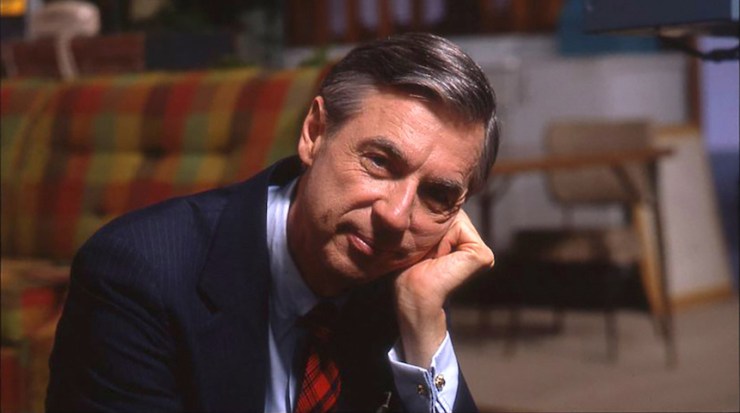
Fred Rogers knew his calling, his mission, his audience. His heart’s desire was to let all of the children in the nation know and hear that they were loved and appreciated just as they are.
Through the brand new medium of television, he spoke to the unnoticed masses of children, got down to their level, moved at his own pace, and offered us all dignity.He didn’t follow trending goofball or slapstick programming. He made a clear distinction between real and make believe.
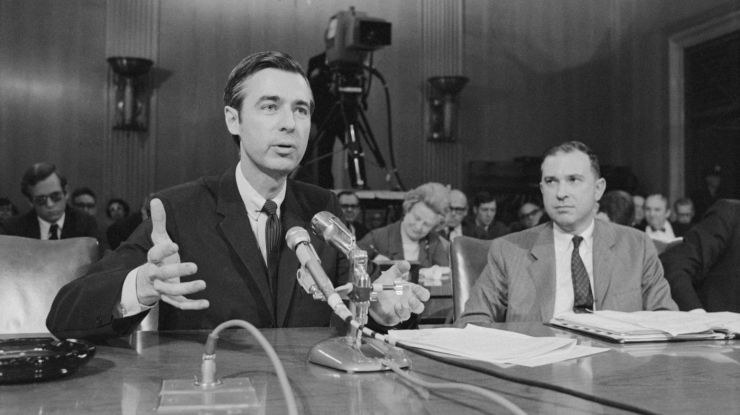
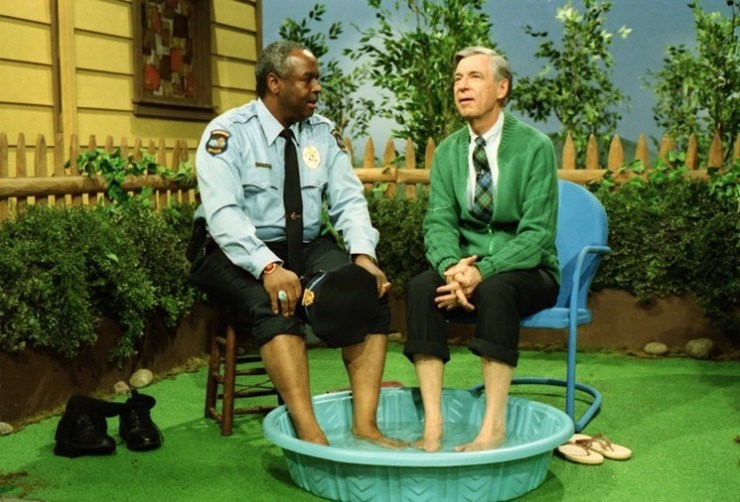
After studying child psychology, he discussed monumental themes never before breached with children: grief, discord, war, death, divorce, disabilities, even assassination.At a low time in our history when colors couldn’t commingle and were not welcome even to swim in the same water, Mister Rogers confronted the issues head on and discouraged racism by washing the feet of those being mistreated. He set the standard for recognizing and valuing feelings and learning to discuss and help them.This feels like an important documentary, one that like the show Mister Rodgers’ Neighborhood offers all people equally the opportunity to do what is right, to listen and learn from one another, to believe that everyone can make a difference if they choose to live by their convictions, and above all to love people well. “143.”
Joe Wright has directed some of the most beautiful films I have been privileged to watch. In Pride and Prejudice, Anna Karenina, even Atonement (despite the story I wasn’t fond of), he captures moments and immortalizes them, choreographs whole sequences with the score, and creates large-scale spectacles.
My jaw dropped in this film when in a single scene we, the audience members, watch bird’s-eye from an aircraft the bombing of the French landscape as refugees flee, then that war-torn countryside somehow transposes becoming the face of a dead soldier. Unbelievable filmmaking. Sobering. Critical. Visually incomparable.
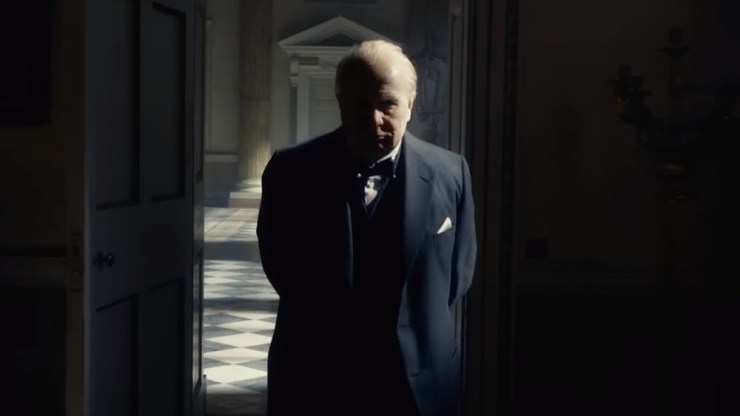
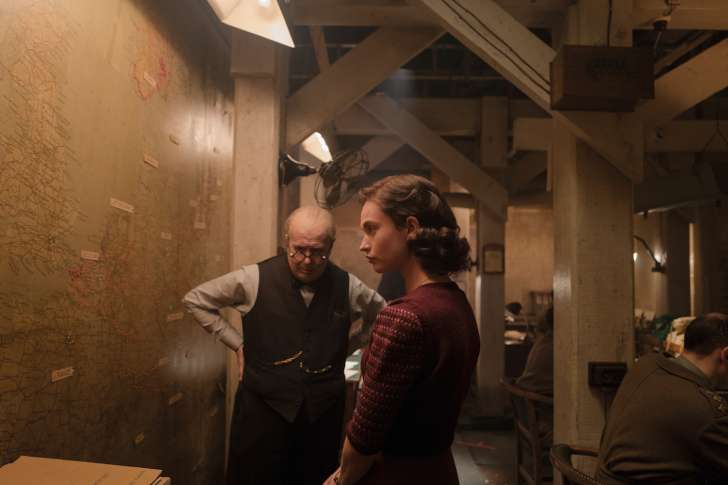
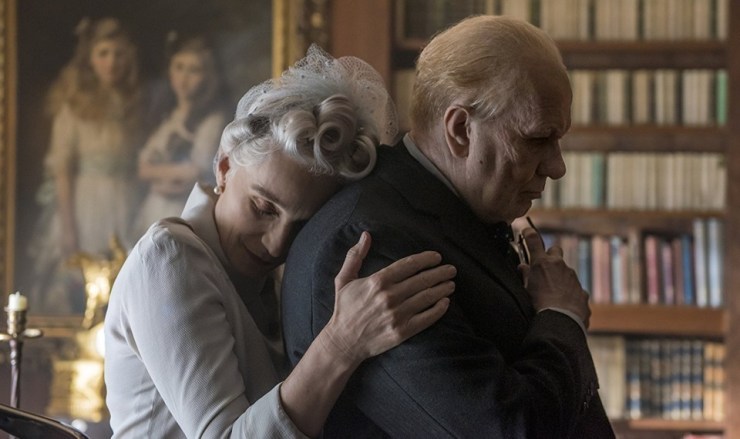
He never forgets his audience. He treats them to and allows them to witness intimate moments of curiosity, sorrow, grace. The Churchills as a couple, lunches with the King, arguments in the war room that changed the course of history, all of these plots offer a deeper understanding of the man in every frame.Churchill comes into power as England’s Prime Minister under duress. The country is already at war, and Parliament does not trust him. While they discuss whether or not they approve of Winston as a leader, he is leading a campaign against Hitler.This film frames his first days in office in which he leads Project Dynamo as a secret rescue mission to bring home the British army stranded at Dunkirk. He knows that his next move could mean the fate of England itself, possibly even the world.I thought that I could only love Lithgow as Churchill now, but Gary Oldman brought him back to life brilliantly. His Churchill is gruff and humble, curmudgeon friend. Winston Churchill, so brave and confident, fought two battles at once. He knew what was at stake, and he had the foresight to fill his war cabinet with people who could and would disagree with him. He needed to win the people’s trust, and he was willing to earn it. He also did not tread lightly into war against the Nazi super-force, as was. His brilliant speeches resonated through Parliament halls, on radio announcements, and in his meetings with King George himself.Churchill also drank copiously, smoked cigars constantly, and loved the sound of his own voice. He would have been a bear of a man to live with, yet his wife adored him. She is the quiet heroine of this film. She supports, empowers, teases, challenges, calms, calls out, and desperately loves Winston. Behind this human with the weight of the world on his shoulders is the one person who encourages him daily. She is his rock.Wright wisely places a seemingly inconsequential character, a typist played by the lovely Lily James, into the closest of quarters with Winston. From the bathroom to the war room, she takes dictation, and the world shifts in those few days. Churchill has fascinated me for some time. A few years ago, I visited Blenheim Palace in England. Winston was born in the cloak room. He was not born into royal line or glamorous fame, but this vast estate now boasts his connection with the place. His childhood toy soldiers still stand in battle array under glass. I don’t understand it, but I cannot deny that he was a brilliant strategist. It seems that he was born envisioning war scenarios, playing Risk, knowing what it would mean to take on a threat like Hitler. It seems Churchill was perhaps born “for such a time as this.”
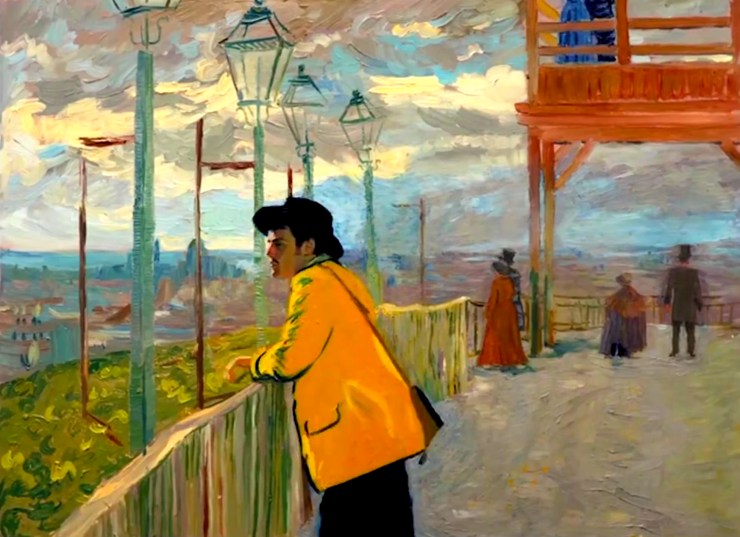
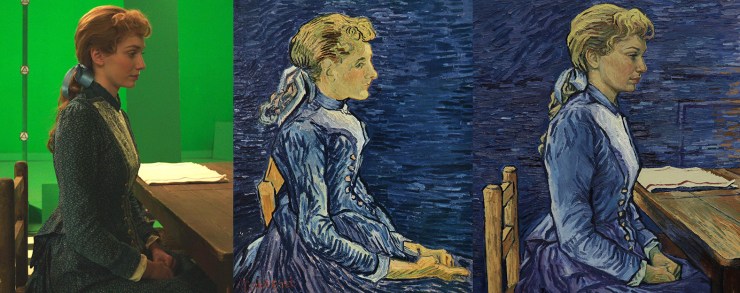
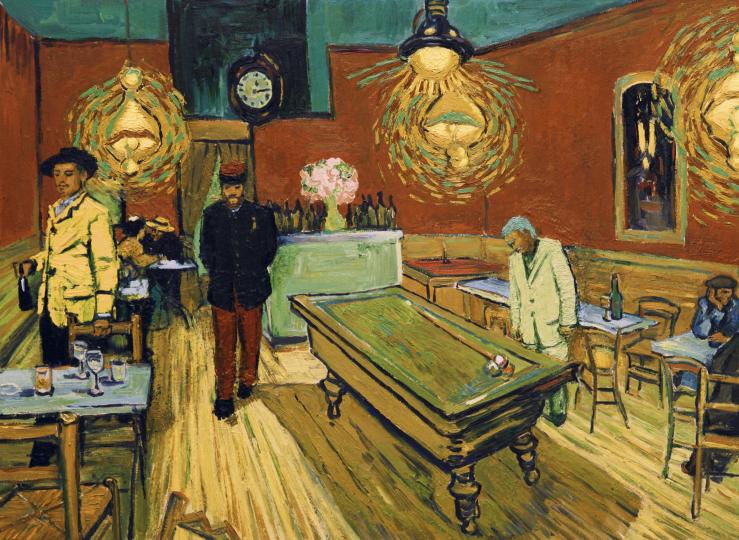
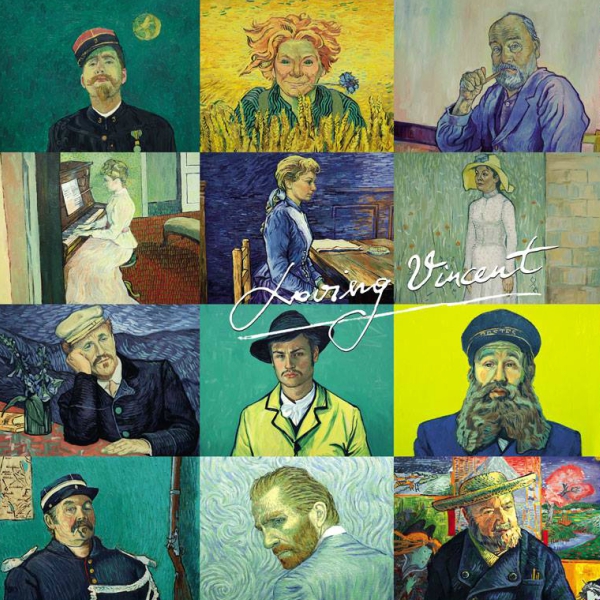
One of, if not THE most beautiful films I’ve ever seen. No work like it exists. It’s an experience. 125 artists over 6 years animated 65,000 oil painted frames. An unbelievable task to translate oil to big screen, but it’s an experience not to be missed.It’s Van Gogh’s story in Van Gogh’s style. Each moment a painted canvas, a memoir, a token to his art.Loving Vincent investigates the mysterious events and characters surrounding Van Gogh’s death, presuming based on his many existing letters that he was perhaps murdered though it was called a suicide.Beautifully acted first, then painted, then animated. Audiences play detective as they follow the trail across the French countryside into the very canvases for paintings that made Van Gogh’s short life and career legendary.The film has been widely approved by artists worldwide and by the Van Gogh Museum in Amsterdam and by the Musee d’ Orsay in Paris where you can visit many of his great works today.
On land: one week. At sea: one day. In the air: one hour.
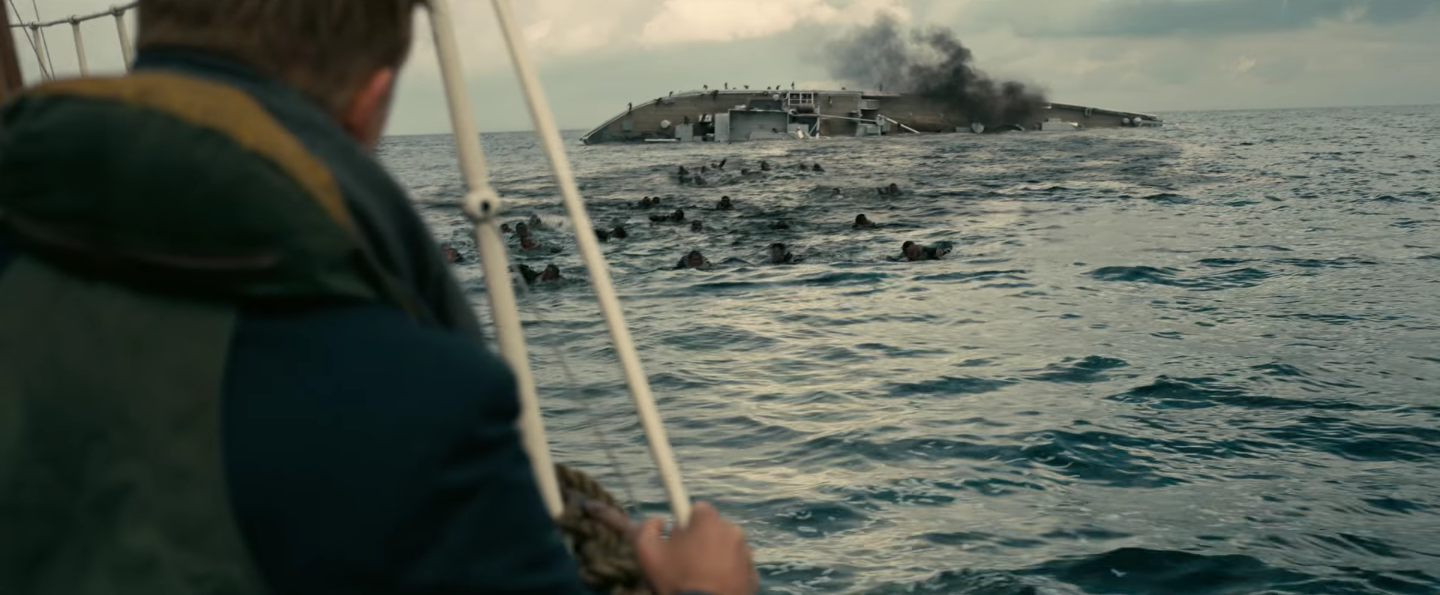
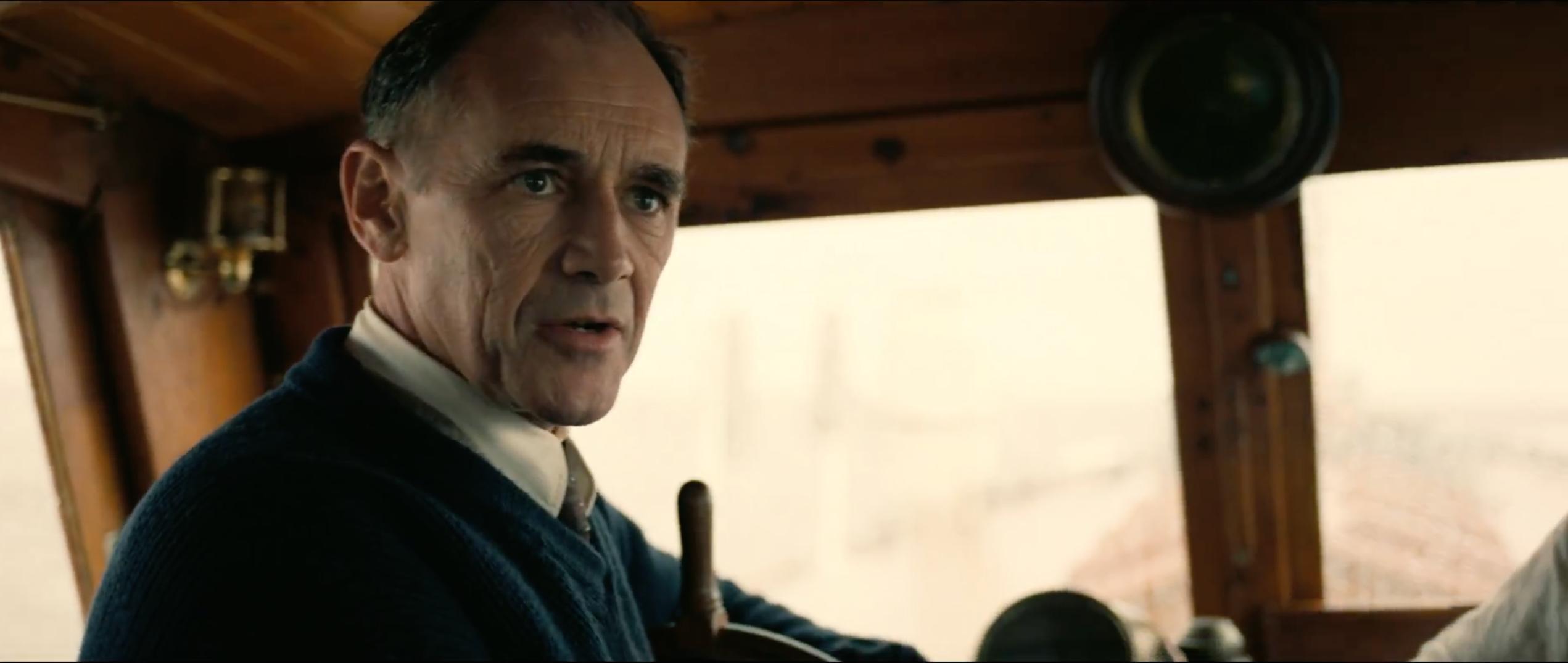
This is battle. It’s the surging rush, the scavenging rescues, the silence of the skies broken by bullets and blasts. We wind down the empty streets of the town of Dunkirk onto the terror-laden beaches following one young man. He’s too young. He’s unassuming. He’s fearful but bold. Waiting on a beach with 400,000 men, waiting for unpromised relief and rescue. It’s too early in the war for Churchill to relieve them. They are sitting ducks.Wandering the beach means attempting to catch a floating vessel on rough seas when the tides are right. It means floating away only to be taken out by torpedoes or bombs from the air. It means restless lines of hopeful men surviving minute by minute until help can arrive.And it does. Help drives toward Dunkirk in small yachts and cruisers driven by men and women who answer the British Navy’s call to help evacuate the soldiers. In this story, one older man and his young son set off picking up any that they can, saving lives from dim waters and death.Christopher Nolan offers the world a masterpiece in this thrice-told tale. Capturing practical effects on film, utilizing thousands of extras, a large fleet of actual boats from the event, and the first ever hand-held IMAX camera, Nolan recreated one of the most moving true stories from World War II. Hans Zimmer’s score ignites tension as it sets a heartbeat and a ticking clock just above the deadly waves. I have not experienced this type of non-stop pace with so little dialogue since Mad Max: Fury Road, and the brilliant cinematography almost gives this film a Malick-esque feel, like Tree of Life offering visuals pieced out and reconnecting in a non-linear narrative.
Capturing three human stories, we fight from land, sea, and air. We wash in and out of the fateful, frothy tide with the boy. We maneuver through the waters of the English Channel with the older man whose own face is creased with a torturous understanding of battle, empathy, and loss. And we dash the horizon in the cockpit of a fighter plane attempting to gauge fuel and ammunition levels while chasing the nazi fighters picking off the boats and lines of waiting men.It was too early in the war to send help to these beaches. It was years before the battle would find its way to yet another French beach called Normandy. This story is tragic but redemptive, both exhausting and exhilarating.Too many men lost their lives in those short days, and if civilians hadn’t risked theirs and utilized what they now attribute as their “Dunkirk Spirit,” the war could have gone very differently.
If you’re sorry Newsroom ended and love John Gallagher Jr…
If you adore Brie Larson…
If you work in any way with humans who need you to be there for them even when that work fills you with pain…
Short Term 12 somehow manages to plumb the depths of human interaction without wounding you permanently in the process. Don’t get me wrong. It destroys you, but it also offers unconventional, inescapable hope. Set in a temporary foster home in California, a small team of young workers deal with the daily lives of kids living in-between homes in the system while processing their own similar demons.
The language is unfiltered, but so is the truth. Kids from all sorts of backgrounds find shelter in foster care, for better or worse. Sadly, too many stories of abuse, crime, and mental illness pervade these adolescents’ lives. Now and then, however, one success story feels worth the retelling. It gives us hope knowing that our work is not in vain. It sees us though the next difficult day knowing that there just might be a silver lining. This film offers that story.

 Directorial







 Bohemian Rhapsody



 He set the standard for recognizing and valuing feelings and learning to discuss and help them.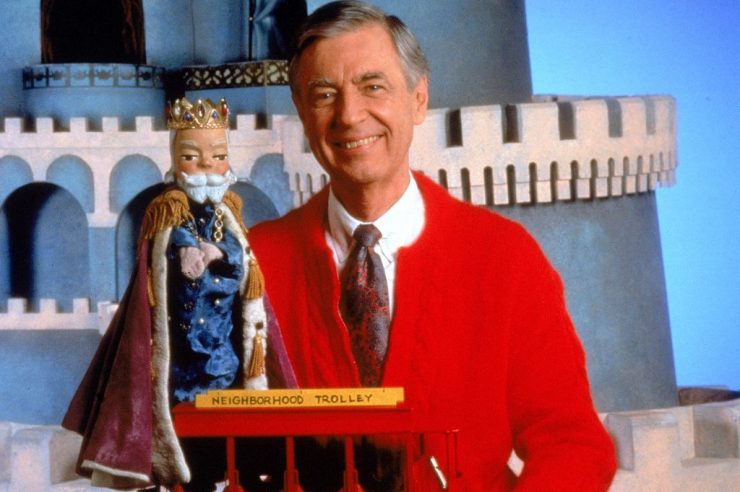
















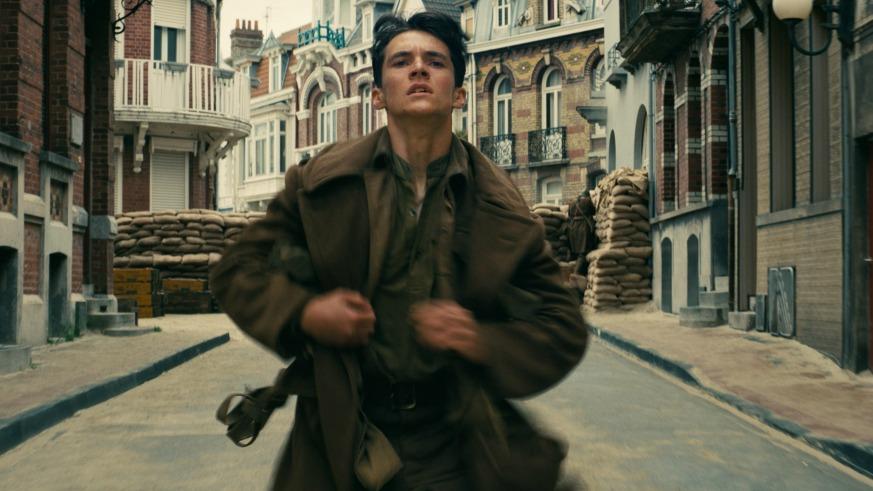

 We wind down the empty streets of the town of Dunkirk onto the terror-laden beaches following one young man. He’s too young. He’s unassuming. He’s fearful but bold. Waiting on a beach with 400,000 men, waiting for unpromised relief and rescue. It’s too early in the war for Churchill to relieve them. They are sitting ducks.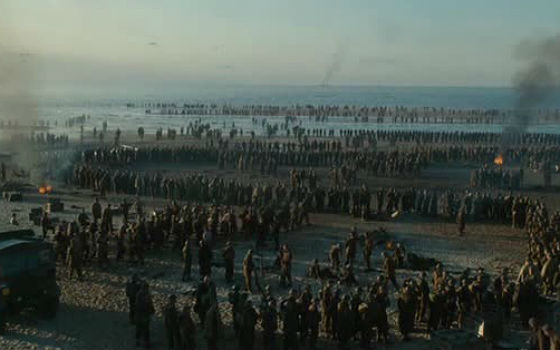

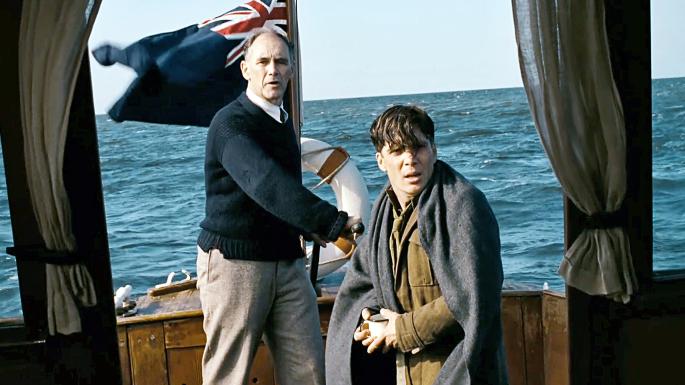 Christopher Nolan offers the world a masterpiece in this thrice-told tale. Capturing practical effects on film, utilizing thousands of extras, a large fleet of actual boats from the event, and the first ever hand-held IMAX camera, Nolan recreated one of the most moving true stories from World War II.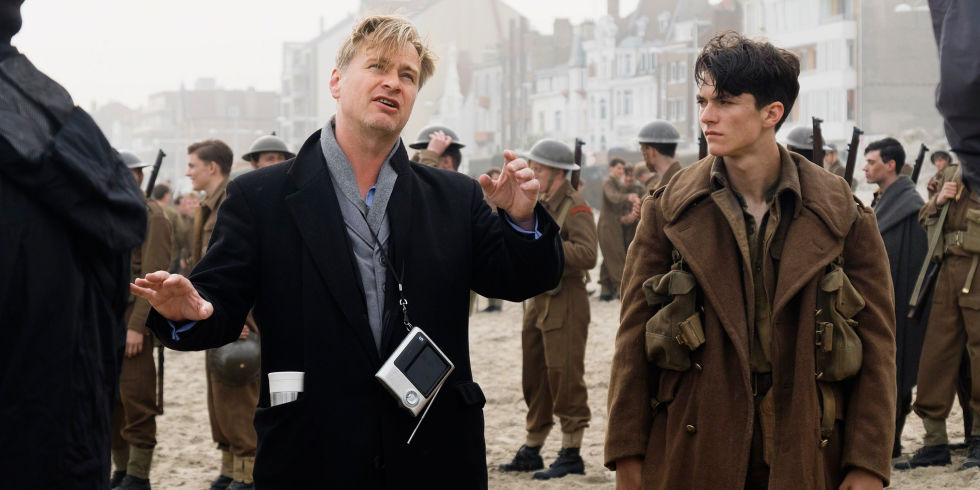




 Splatter: on FILM