
*spoilers; also don’t be shocked by a positive review… and don’t hate SW8 lovers…
 REVIEW:
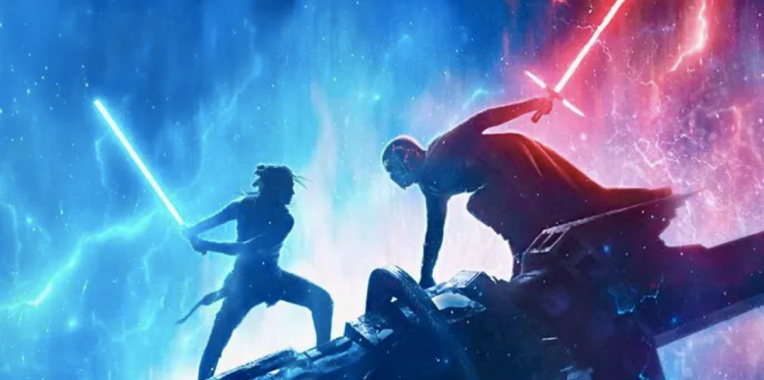
The finale’ to three trilogies has a lot to live up to, especially after the controversial penultimate Ponzi scheme that was the Rian Johnson debacle. Once again playing to OG fans in the safest of safe ways, JJ Abrams blinks past the memory of two years ago and allows respect to renter the universe. Sure, mock the risk-averse take on a timeless classic, but don’t tell me you don’t love Rey’s new kick flip force moves, or throwback speeder races, or a visit to Endor.
This time, Luke’s saber must be earned, falling rocks mean something, pogs get only a flash, and you can continue to ship Poe and Fin. Abrams fans will also see revivals from favorite faces of Charlie from Lost and two favorite characters from JJ’s hit 90s TV series Felicity: Greg Grunberg and Keri Russell . This film has everything from Sarlackian sinking sand pits to movable monster chess, Wookies in handcuffs, and Lando Calrissian.
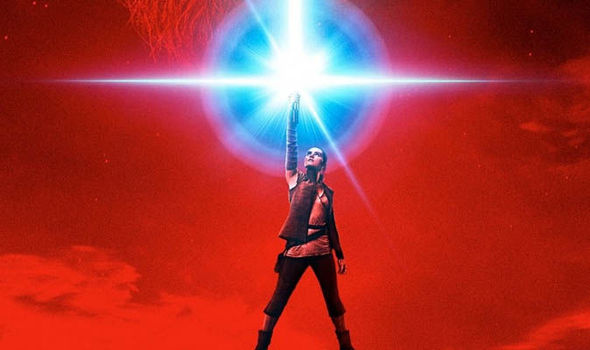
It’s a date with the old franchise that raised you – plus a few of the new tricks like lightspeed skipping and interdimensional force fighting. Leia’s role is a perfect compliment to her character and career. And my favorite aspect of this film was the new perspective on the balance of the force that created resolve and unexpected connectivity between all nine films: Rey uses the force to heal. All others use the force to see or to fight, but Rey follows her heart and lays a hand of healing on her enemies, building relationship, forging heroes.
Kylo Ren’s journey becomes the echo of the Anakin story we all cared enough to follow over four decades. The which, I am grateful to have lived through. Star Wars and I have had a long journey together, and in this great wide universe, there will be conflict but we are never alone and there is always hope.
RATING: 7.5; C+ …not the hateful 8th, but perhaps a recap of 7. I gave the “Honest Trailer” for this one all aces.


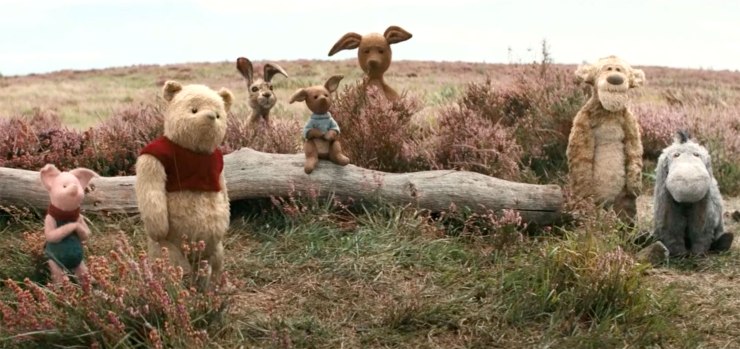
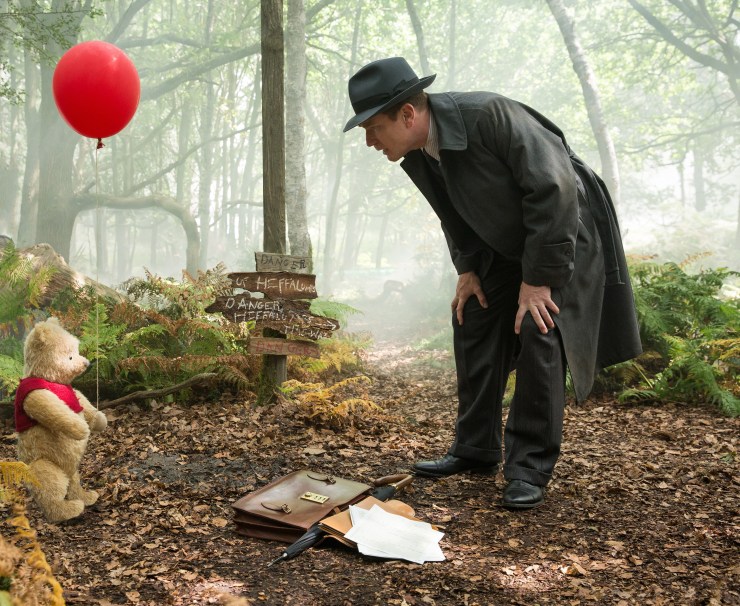


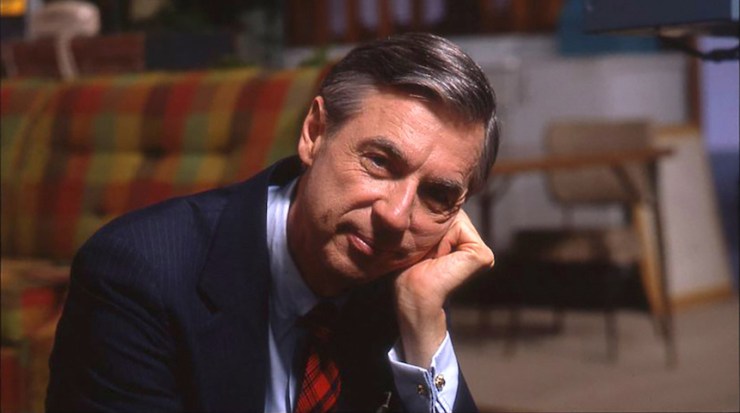
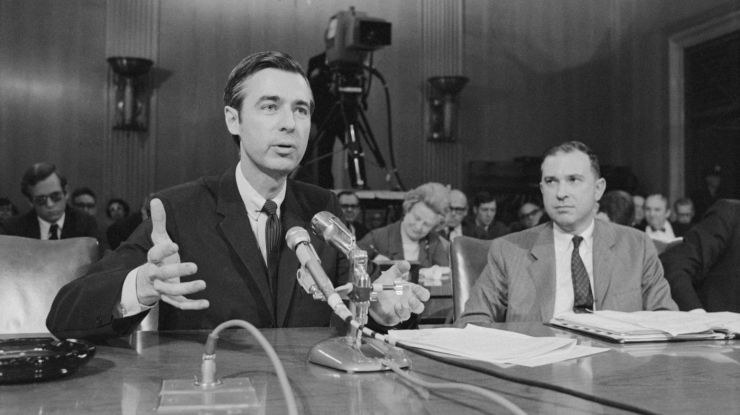
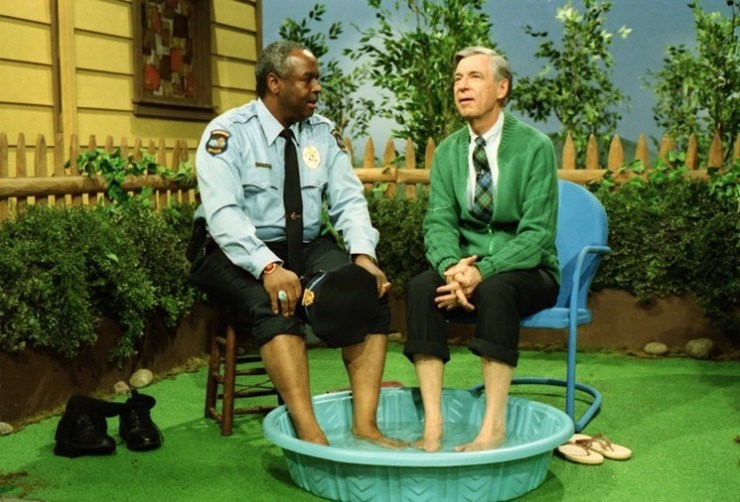 He set the standard for recognizing and valuing feelings and learning to discuss and help them.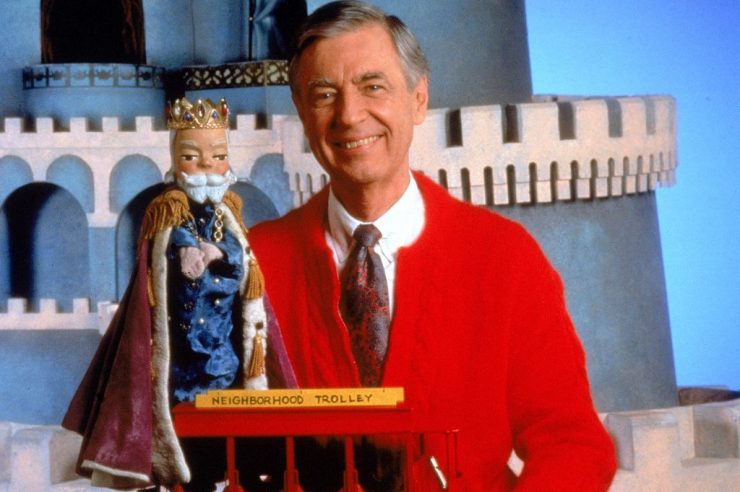
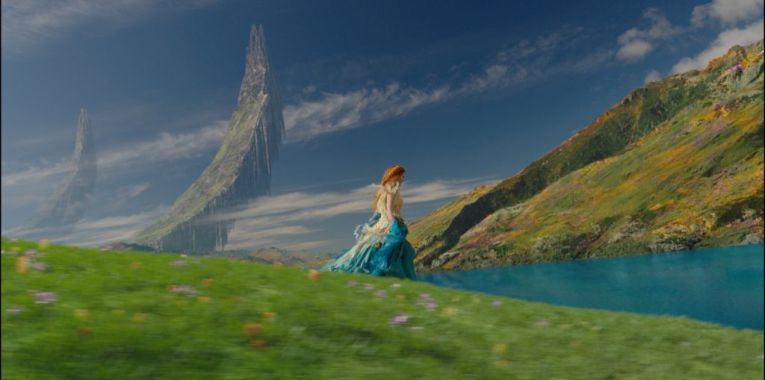

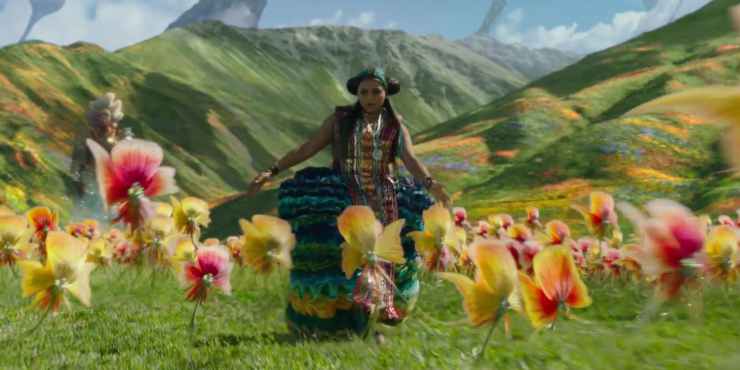

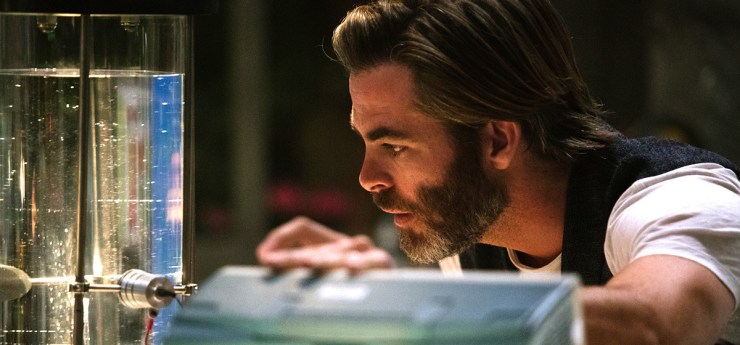
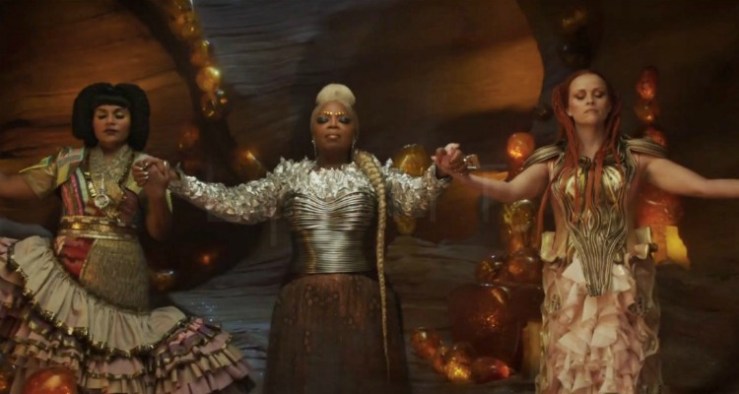

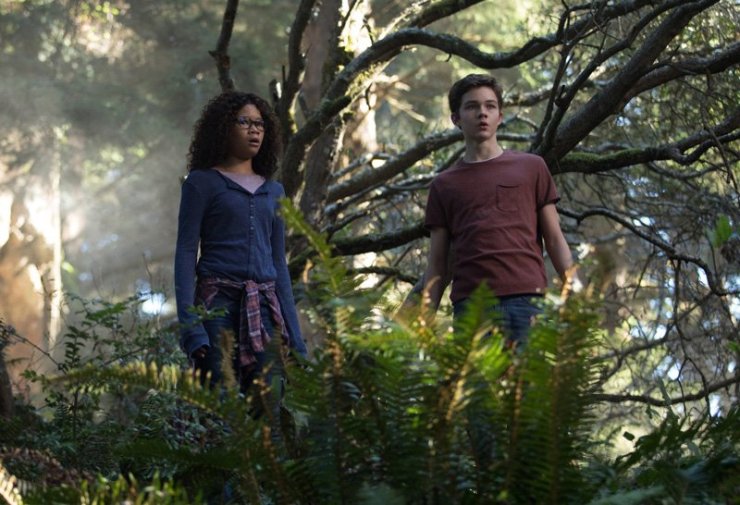 And Calvin the sad boy with a lion’s heart and more patience than most somehow joined in on the journey. In the book there is a flying horse – a pegasus, a stuttering witch woman or three (much like the Fates of Greek myth), a dog who understands, and a feverish fight against the It of darkness.

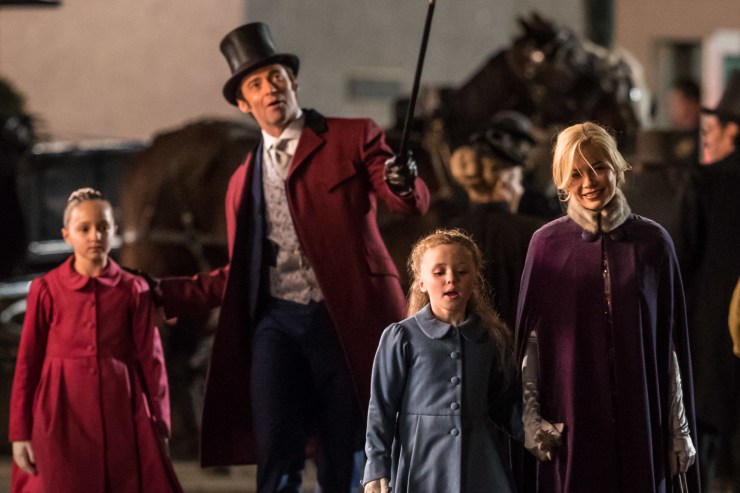


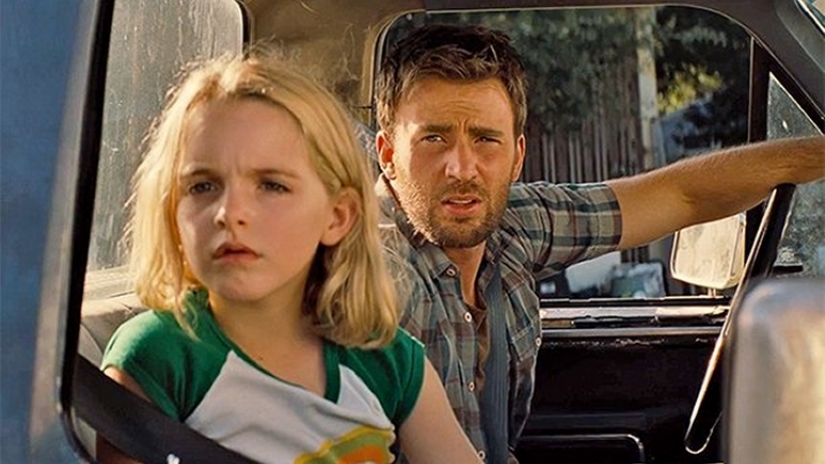
 The questions within this film seek to drown out fears founded by insecurities. What is family? How do we best care for one another? How do we help foster and nourish peoples’ gifts without exploiting or discouraging them?
 It seems the stage-mother phenomenon is not limited to entertainers and little pageant queens as Gifted shows the pitfalls of seeking personal prestige and fame over integrity and selfless love. It challenges families to deal with conflict through lovingly honest communication.
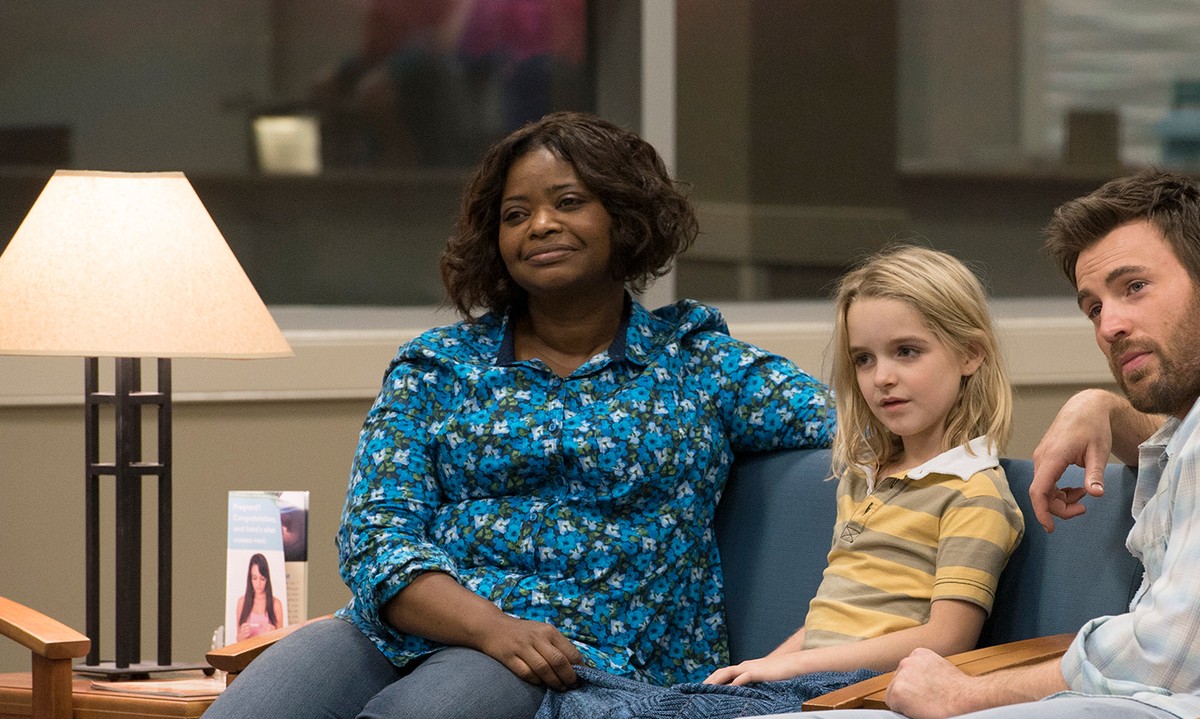 Leaving a legacy looks unique for each person. Some people offer their gifts to the world in such a way as to gain the world’s approval, applause, and praise. The higher road can be lonelier, but leaving a legacy of selfless love is of greater worth than fame. Caring for people may be less glamorous, but it is by far more rewarding.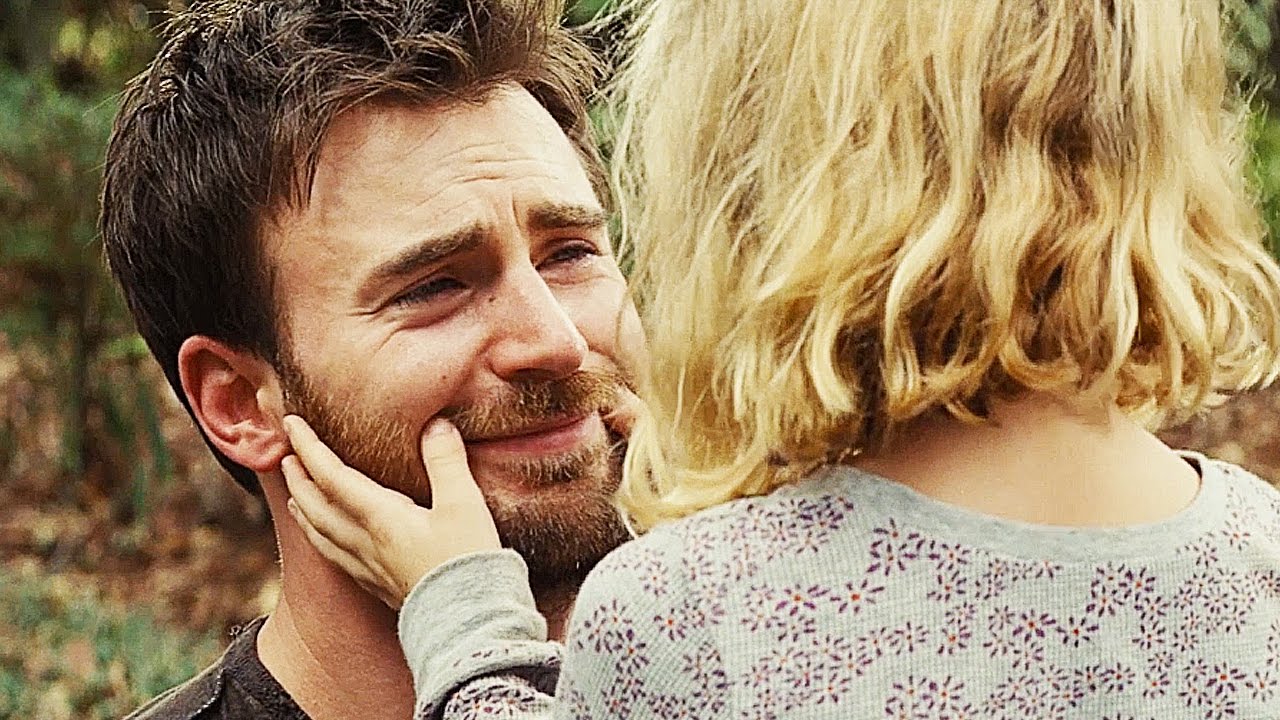
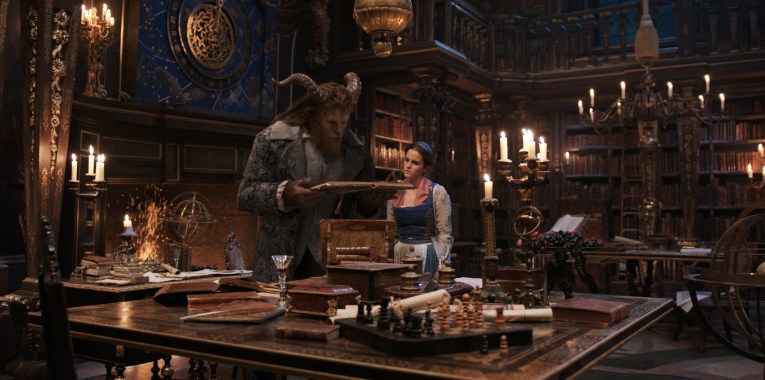
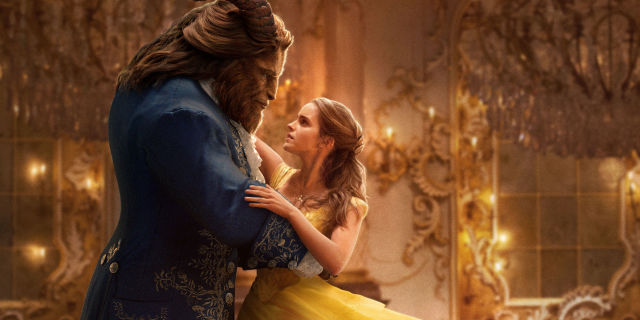
 It’s iconically beautiful, scenes of my childhood unveil in perfect cake-topper symmetry. Emma Watson’s eyes sparkle as she sings through the little town. In her quiet pastel village, she’s the odd duck as the independent bookish type in bright blue. She’s a Hermione amongst so many muggles.
 And the ancient story goes that her father offered to bring her a gift and she asked only for a single rose. I loved the incorporation of the original fairy tale.
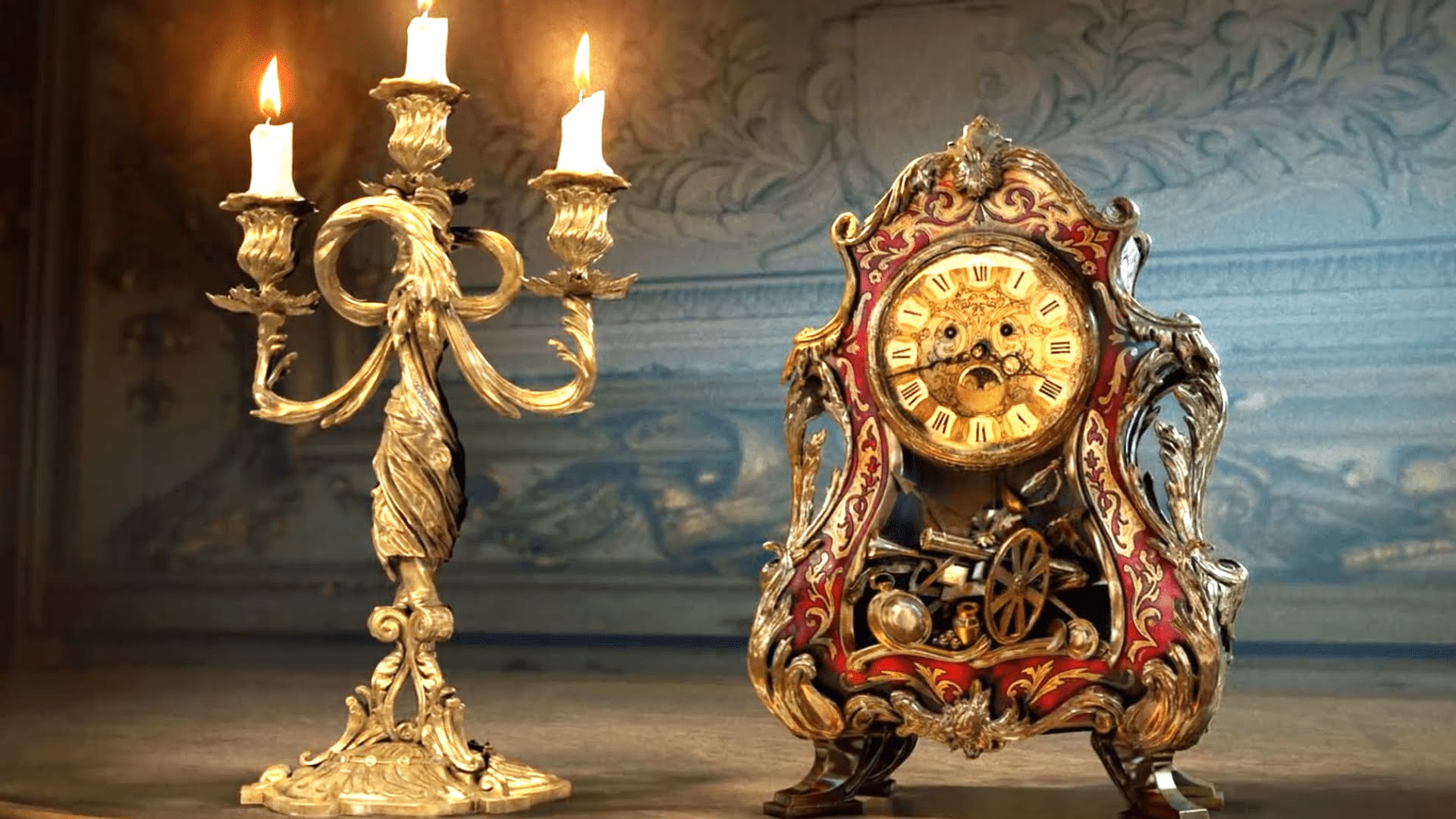
 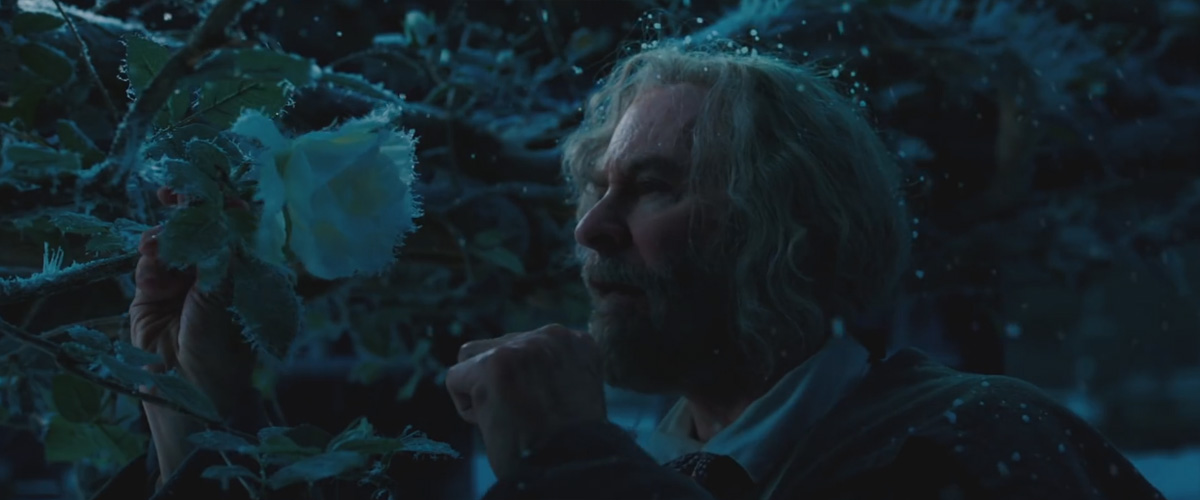 When he is captured, she sacrificially takes her father’s place as a prisoner at the enchanted castle where famous voices fill the gorgeous household items: Emma Thompson as Mrs. Potts, Sir Ian Mckellan as Cogsworth, Ewan McGregor as Lumiere, and sweet Stanley Tucci as Maestro the piano.
 Gaston truly stole the show. He and LeFou, French for “the fool,” perfectly capture their cartoons and embody the enemy and comrade just back from the war now looking to settle down. Rumors regarding LeFou’s identity seem forced since he is more admirer side-kick than love interest.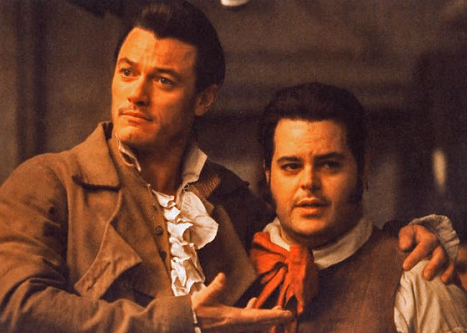
 Not since Wall-E has a Disney flick seen the need to bend each voice so electronically. Poor Emma seemed almost upset about it sometimes, almost as much as she seemed mostly happy during the Be Our Guest scene (in which she never eats) or the library scene – always almost excited. She was most certainly asked to play Belle almost expressionlessly, especially opposite the oddly shifting CGI-bodied Beast. Emma’s stalemate facials perhaps made the beast more lifelike until he became Matthew from Downton Abbey – a truly unexpected transformation.


 Fortunately, audiences love a good underdog tale and will go see this plucky film that takes a few of the world’s current heaviest issues and throws them on-screen in a timeline-driven showdown that somehow maintains the snappy, light tone of a Saturday morning tv special without betraying the severity in the series of events.
 The plot pacing jolts a bit across the timeline, but the 1960’s color palette in costuming and decor allows for gorgeous screen candy in symmetrical retro shots. The soundtrack time-stamps the era and remains lighthearted while the powerful, true story plays out.
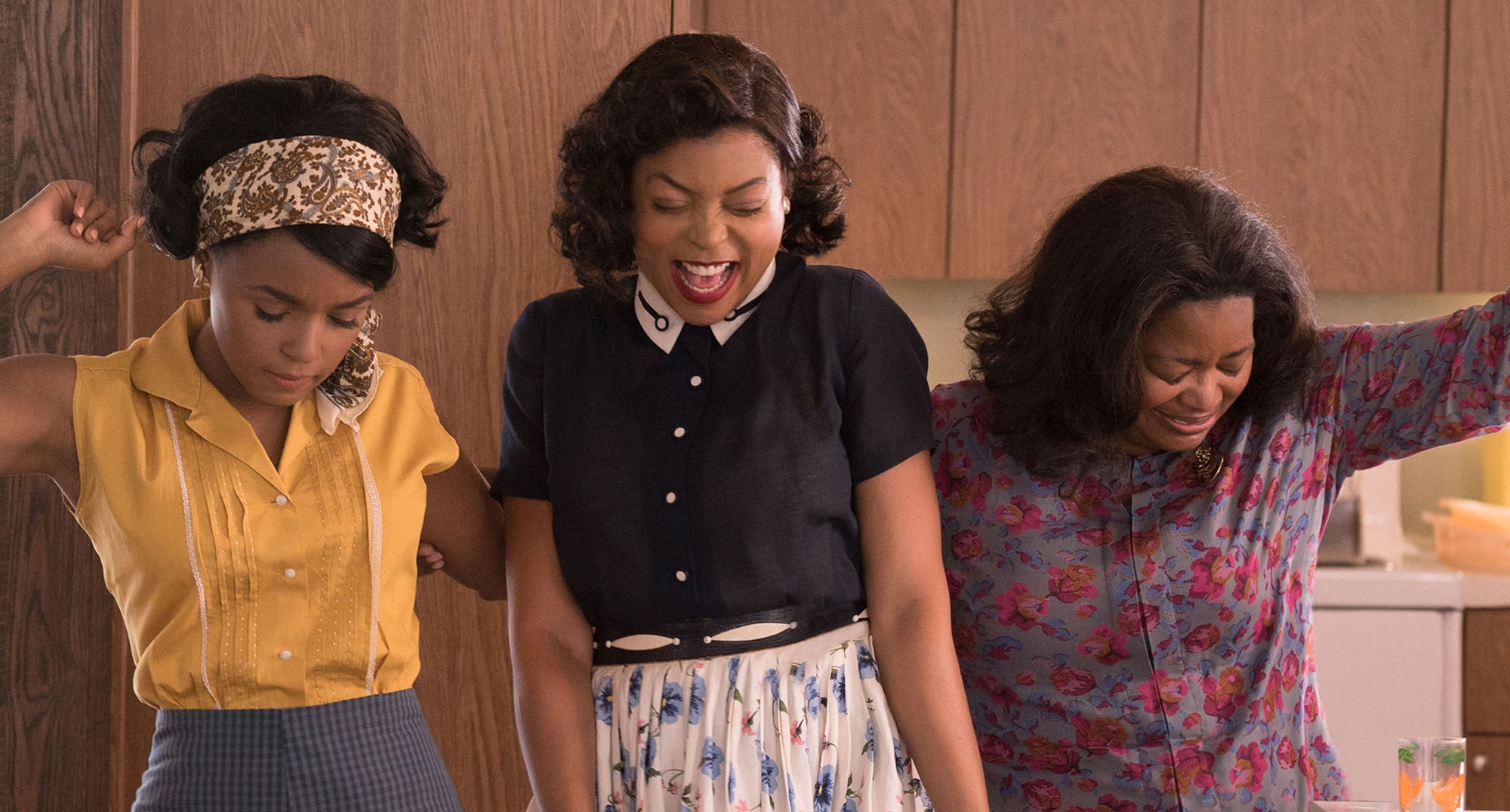 The flaw in these three main characters, these Hidden Figures from history, is that they have no flaws. The tragedy of having a film with angelic protagonists is that that level of idealism is unattainable, less relatable. Audiences crave characters who remind them of themselves, offer survival tips, and can still win despite their human frailties.
 Perhaps here, however, the truth of the majority voice in those tragic times in America’s history was more than enough conflict for audiences to handle. Our three heroines deal with the plague of prejudice and discrimination at every turn at work. They bow and bless while others stare and judge and ridicule. Co-workers slap signs that read “colored” on bathrooms and coffee pots and buildings. They are already treated as lower class citizens as women, but adding race tension doubles their trouble. NASA needed these talented women for their innate skills that helped the US catch up in the space race.
 The antagonists, white bosses of both genders, snap and shoosh and demand and lord over all of those who they deem lesser, but they slowly learn to respect the three main figures and eventually to accept them. Kevin Costner’s character is really the only one with an arc. He says the oddly satisfying line, “At NASA, we all pee the same color.”
 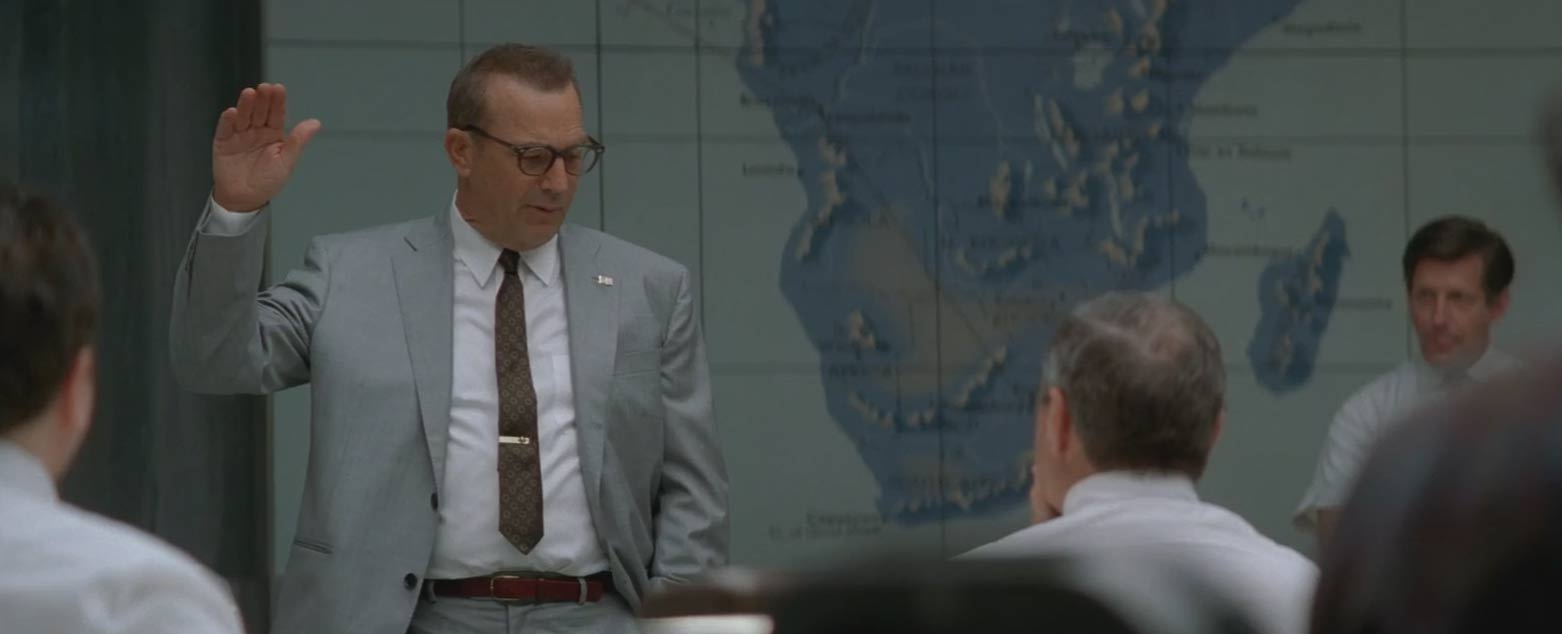 People know but rarely put into practice the truth that human decency should not have to be earned or determined by color or reserved for the good, but offered because one is human.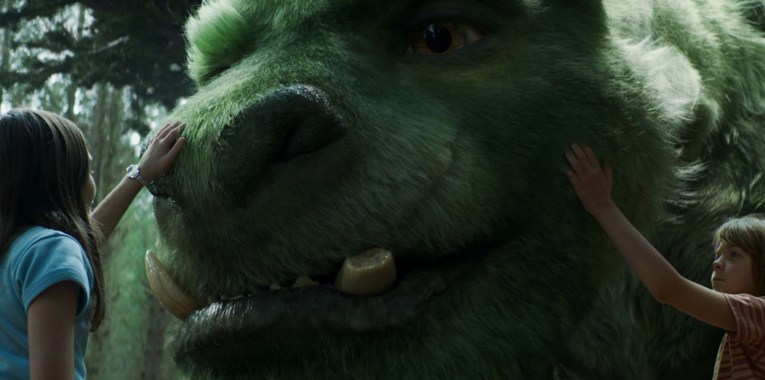

 One of Pete’s Dragon‘s fatal flaws had to lie in casting: Karl Urban plays the nicest bad guy, Bentley gives off disinterested dad vibes, Howard sadly looked constipated for most of the film, and Redford must have filmed his short scenes all in about a day.
 Sadly the magic of this film was mostly lost in long, streaming dialogue, kid-film slapstick, and overly dramatized pauses. Those lingering gazes of wonder at the empty sky must have made for long days of filming and a lot of hopeful discussions with CG artists. Not even the interspersed narration by Robert Redford himself could heal the dragon’s lackluster character.
 Splatter: on FILM